Traumatic brain injury: know the facts
Globally, brain injuries account for at least one death every seven minutes. It is one of the leading causes of death and disability in adults. Such injuries may be caused by a blow to the head or a penetrating injury, leading to a serious condition called traumatic brain injury. Here is what you need to know.
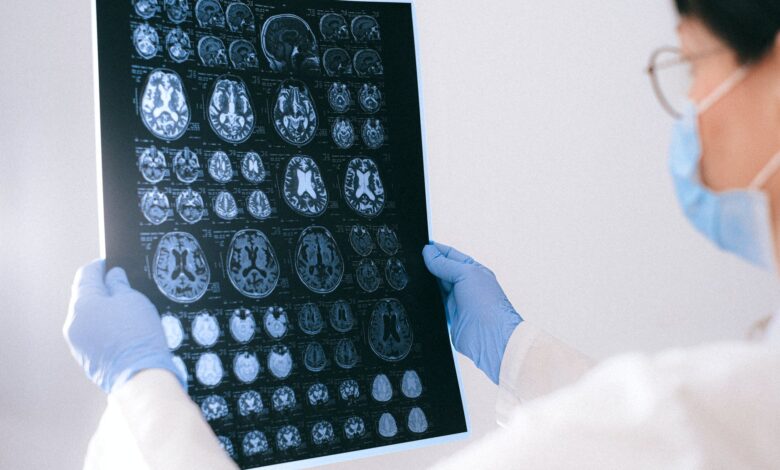
A traumatic brain injury is a sudden injury to the brain that may be caused by a jolt to the head or a penetrating injury. Globally, more than 5% of people who have been involved in an accident, suffered a concussion or have received a blow to the head, may have suffered a traumatic brain injury.
Furthermore, an estimated 89 000 new traumatic brain injuries are reported annually in South Africa. A traumatic brain injury may be caused by a bump or blow to the head (closed head injury) or by an object penetrating the skull (called a penetrating injury). In some instances where a vehicle comes to a sudden stop, the sudden deceleration shakes the driver or passenger’s brain.

This usually results in shearing of the brain tissues, as well as injuries from the brain itself impacting against the inner wall of the skull. The jarring of the brain within the cranium also leads to swelling and nerve cells dying. Because these injuries may not be visible to the eye, they are commonly overlooked. Traumatic brain injury categories can be classified into three categories: mild, moderate and severe.
Symptoms could include:
1. Mild
The person is awake; eyes open. Symptoms can include confusion, disorientation, memory loss, headache and brief loss of consciousness.
2. Moderate
The person is lethargic; eyes open to stimulation. Loss of consciousness lasting 20 minutes to six hours. Some brain swelling or bleeding causing sleepiness, but still arousable.
3. Severe
The person is unconscious; eyes do not open, even with stimulation. Loss of consciousness lasting more than six hours.
Types of traumatic brain injury
There are three primary mechanisms of traumatic brain injury:
• Direct impact: This could include hitting the ground or a windscreen with your head.
• Sudden or rapid acceleration and deceleration: The head is forced forwards or backwards violently, without direct impact to the head.
• Penetrating injury and blast injury: A penetrating injury would be inflicted by a missile and blast injuries are seen in mineworking accidents.
Multiple traumatic brain injury events can have long-term effects on both adults and children. In an adult, multiple traumatic brain injury incidents will cause more physical symptoms, including headaches, tinnitus, balance issues and general fatigue.
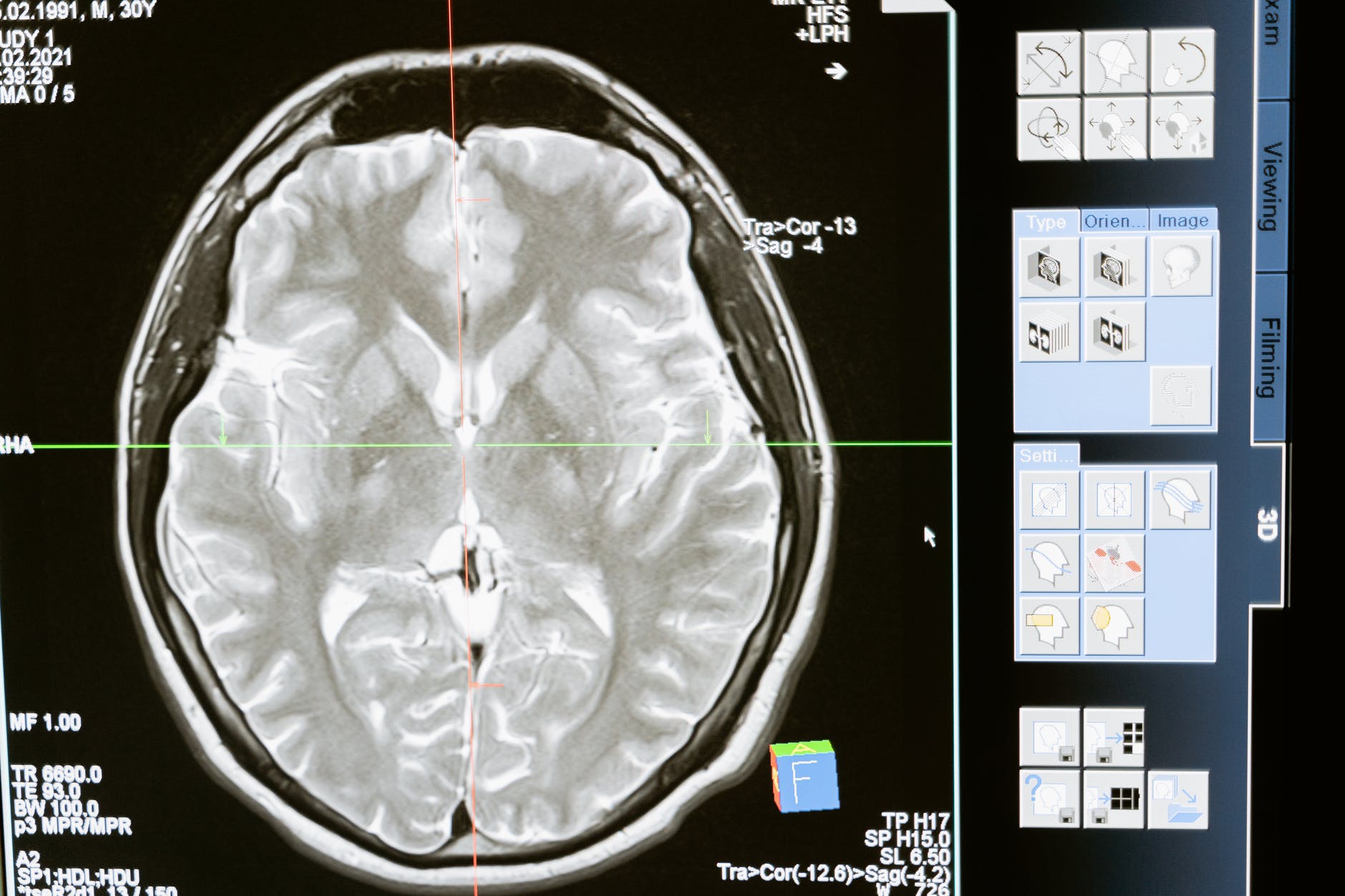
A child, on the other hand, has a brain that is still developing all its “wiring”, which can be disrupted in some way following each episode, which leaves the child with more serious future issues to deal with – including learning and behavioural difficulties.
Concussion and traumatic brain injury
A concussion is a contributing factor to traumatic brain injury.
The American Medical Society for Sports Medicine lists the signs and symptoms of a concussion as:
• Physical: Headache, nausea, vomiting, balance problems, dizziness, visual problems, fatigue, sensitivity to light and/or noise, numbness or tingling, feeling dazed or stunned.
• Emotional: Irritation, sadness, heightened emotional levels, nervousness.
• Cognitive: Feeling mentally “foggy”, having difficulty concentrating, memory problems, confusion about recent events, answering questions slowly, repeating questions.
• Sleep: Sleeping more or less than usual, or experiencing difficulty in falling or staying asleep.
Preventing concussion:
• Helmets can reduce the risk of brain injury or skull fracture.
• Wear a seat belt every time you drive or ride in a motor vehicle – this also applies to infants and children.
• Use mouth guards and helmets during sport or recreational activities.
• Try to avoid falls by being aware of potential risks and your surroundings.
Traumatic brain injury treatment
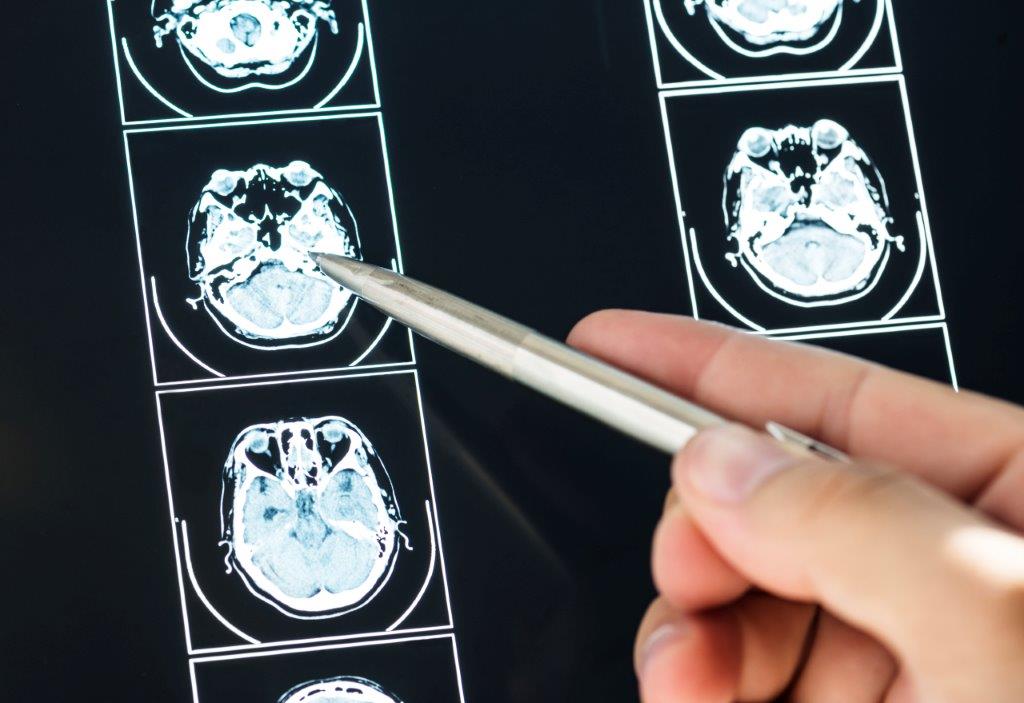
An interdisciplinary team approach to managing traumatic brain injuries is important, and every member of the team will make an important contribution, e.g. the interventions by an occupational therapist, which should start from day one.
The occupational therapist can be involved in the ICU with positioning, providing splints for maintaining good positioning and range of movement as well as sensory stimulation, if the patient is unconscious.
If the patient is conscious, the occupational therapist plays a role in monitoring the patient’s level of awareness and responsiveness according to the Rancho Scale of Cognitive Functioning.
Life Cosmos Hospital is equipped to treat any type of head injury with a specialised neurosurgical theatre, dedicated neurosurgeons, a committed multidisciplinary team and an experienced nursing team. For more information on Life Cosmos Hospital’s neurosurgical services and facilities, please contact christelle.matthee@lifehealthcare.co.za or visit our website.
The information is shared on condition that readers will make their own determination, including seeking advice from a healthcare professional. E&OE. Life Healthcare Group Ltd does not accept any responsibility for any loss or damage suffered by the reader as a result of the information provided.