
Fishers to march
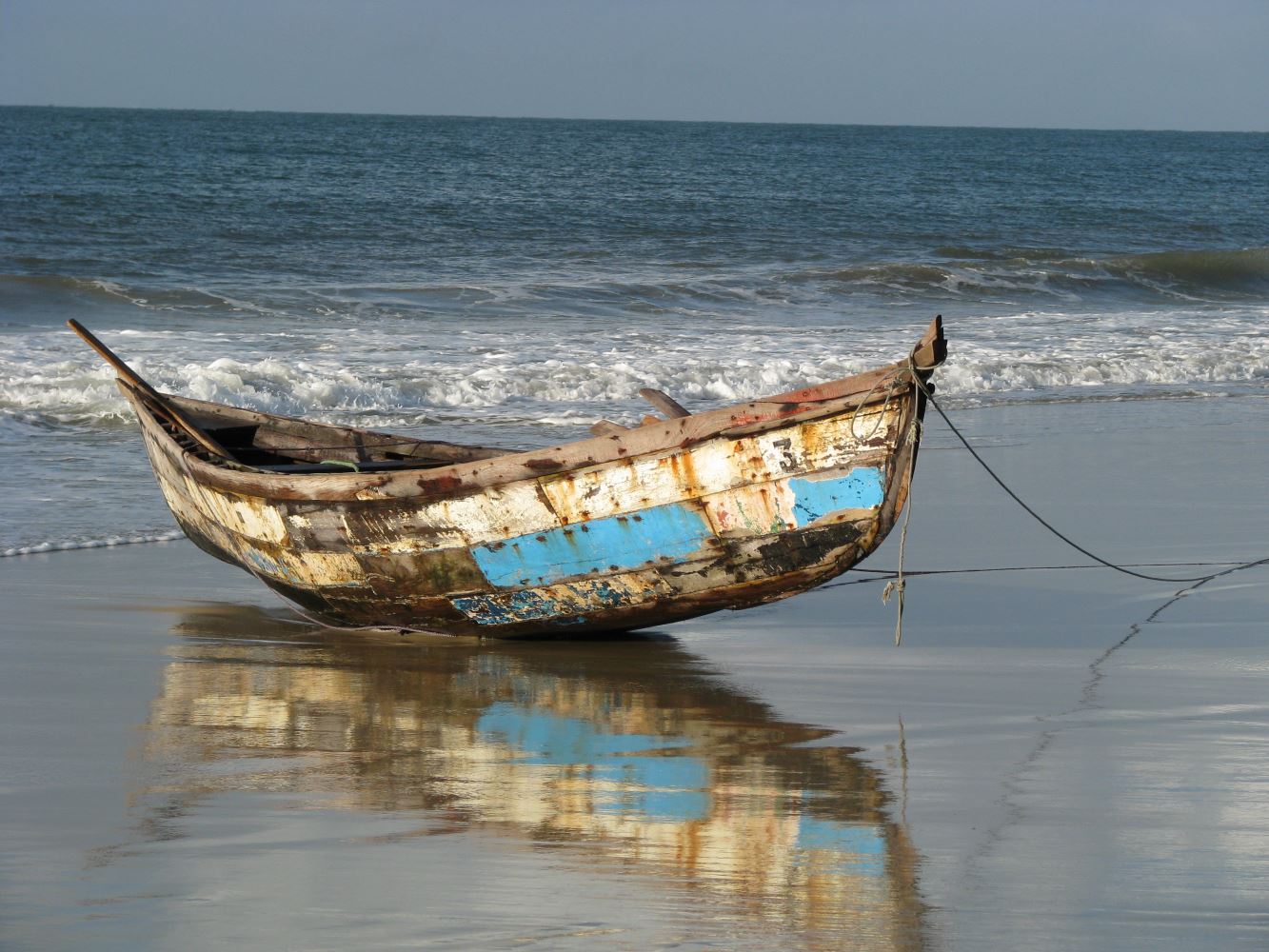
Protestors are angry at the destruction of rudimentary boats and gills nets belonging to fishers from Nkunduse.
FISHERS on the north and south coasts of Kwazulu-Natal have planned a march today (Monday), in protest against ‘harassment and unfair treatment by’ Ezemvelo KZN Wildlife.
The march, which begins at noon at Embuzini (near Mtubatuba) and ends at the Mtubatuba Library, will call for action regarding the adoption of the Marine Living Resources Act (MLRA), the implementation of the Small-scale Fisheries Policy and an Interim Permit (for Small Scale Fishers) that allows fishers to catch and sell their fish.
Protestors are angry at the destruction of rudimentary boats and gills nets belonging to fishers from Nkunduse, False Bay at the end of January this year.
Fishers from Nkunduse and Nibela are spearheading the march which will also be headed up by a task team made of fishers from the area including Coastal Links South Africa (CLSA) members.
The task team and CLSA committee have mobilised the community at large and sub-wards (St Lucia, Dukuduku and Sokhulu) councillors and chiefs (iziNduna’s) have been informed.
‘As fishers we face being arrested by the Ezemvelo and we also feel that we are not being consulted in many processes (research, issuing of permits).
‘These are important issues that directly affect our lives,’ said Lindani Ngubane, a member of CLSA in KZN.
KZN fishers currently fish with a subsistence permit.
This permit does not allow them to sell their catches and fishers say it has a minimum allocated number of fish that can be caught, making it difficult for fishers in the province (including Eastern Cape) to have a sustainable livelihood.
The CLSA is being supported in the march by the Masifundis Development Trust which is one of the oldest non-governmental organisations in South Africa and, for the last seven years, has been engaged in development work with rural fishing.
Coastal Links South Africa is a community-based organisation representing more than 4 000 small-scale fishers in all four coastal provinces of South Africa.
CEO responds
Responding to the accusations, Ezemvelo CEO Dr Bandile Mkhize said, ‘We knew these boats have also been used to ferry rhino poachers across the lake onto the eastern shores of the iSimangaliso World Heritage Park where poaching has occurred.
‘The local people have been repeatedly warned that neither these boats nor gill netting are allowed.
‘During the 1980’s and 90’s Conservation repeatedly tried to implement a sustainable fishing policy to cater for people’s subsistence needs.
‘Three communities were granted permits to catch fish on a sustainable manner.
‘These were repeatedly ignored as the number of craft and gill nets ballooned and the ‘industry’ grew into a major commercial enterprise.
‘I need not have to tell you how devastating and indiscriminate gill netting is. You might see it as an aquatic version of countless hundreds of snares.
‘And the by-catch includes everything from fingerlings through to birds and even hippo and crocodiles.’
Mkhize said these raids would continue and will become more effective as the intelligence capacity of EKZNW grows in pinpointing syndicates, gangs and even traditional healers who deal in the theft and illegal trade of wildlife.
‘Law enforcement and community upliftment are sometimes tense bedfellows.
‘I have placed my and Ezemvelo’s entire reputation and credibility on making the practice of conservation as inclusive of our communities as possible.
‘I will continue to do so under the banner of ‘African Conservation’ and the priority status of people in this practice,’ he said.