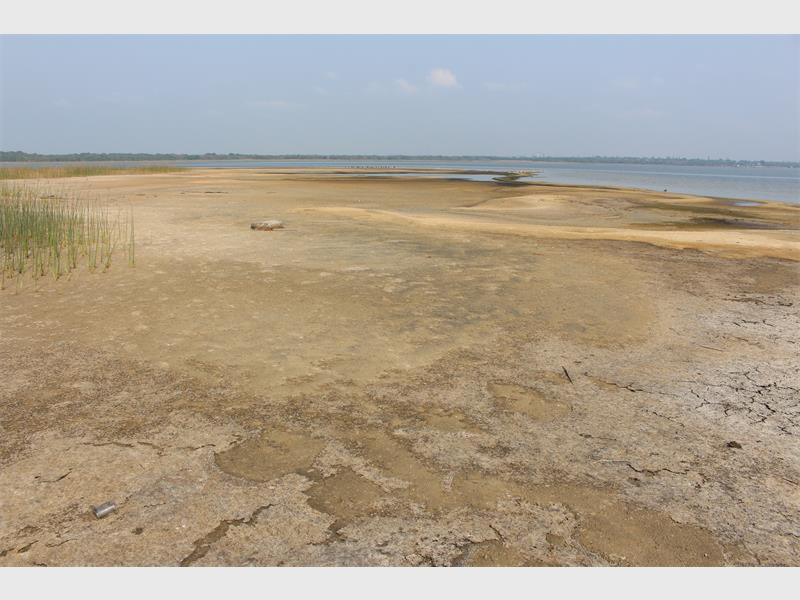
USE of the City of uMhlathuze’s lakes as water sources needs to end; instead, they must simply be used as storage facilities to ensure water security.
This message was strongly brought forward at a ‘Water Challenges Stakeholder Meeting’ hosted by the City in council chambers on Friday.
‘Already we have stopped extracting from Lake Mzingazi and we will soon cease at Lake Cubhu as well,’ said Malusi Mhleko, Acting Head: Water & Sanitation Services.
‘The lakes must be allowed to fully recover: Lake Mzingazi to 80% and Lake Cubhu to 95%, or else the City and industry are at risk.’
As the drought’s grip continues, the City is increasingly forced to buy more water from Mhlathuze Water.
‘The bulk purchases have increased from 25- to 58-megalitres per day for Lake Mzingazi, so we will obviously need to change our tariff and customer agreements in future.
‘Our cost in using Mhlathuze Water has increased almost five times, and this will have to be recouped.
‘The City of uMhlathuze is about to workshop the introduction of drought tariffs and restriction schedules.
‘Level 1 restrictions will commence on 1 March and Level 2 on 1 May – after that, we could go as high as Level 4’.
Guarantee
Meanwhile, the City is busy with a feasibility study on the re-treatment of water, and has instituted a massive three-year water loss reduction programme that has already borne fruit.
After installing bulk zone meters, leaks are speedily detected. Losses at eSikhaleni have already been significantly reduced.
‘The contractor has guaranteed us that if water losses are not reduced from the current 40%, to 20%, all our payments will be refunded!’ said Thembinkosi Zondi, City Deputy Manager: Water and Sanitation Services.
‘But inasmuch as we have technical interventions, we also need social interventions – a change in the mind-set when it comes to water usage.’
While much of the emphasis of the meeting was on reducing demand and usage; increasing the re-use of waste water; and monitoring of leakages and spillages, great importance was laid on the need to investigate and secure other water sources.
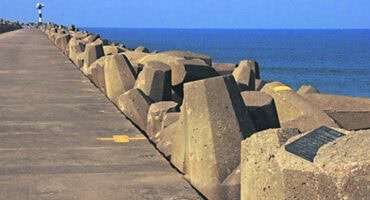
Already, the harbour has been earmarked for a desalinisation project.
Business analyst, Frans van der Walt said development – including the future IDZ plans – could not be encouraged without increased water storage.
‘At another forum this week, we were told there is actually an abundance of water in our region, which we need to capture.
‘We need to get the political buy-in for projects. Funding will get the job done.’