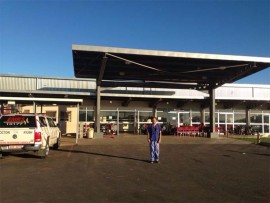
Hospital services hampered by failing equipment
Cost of spare parts for critical health care equipment forces doctors to ‘prioritise’ patients
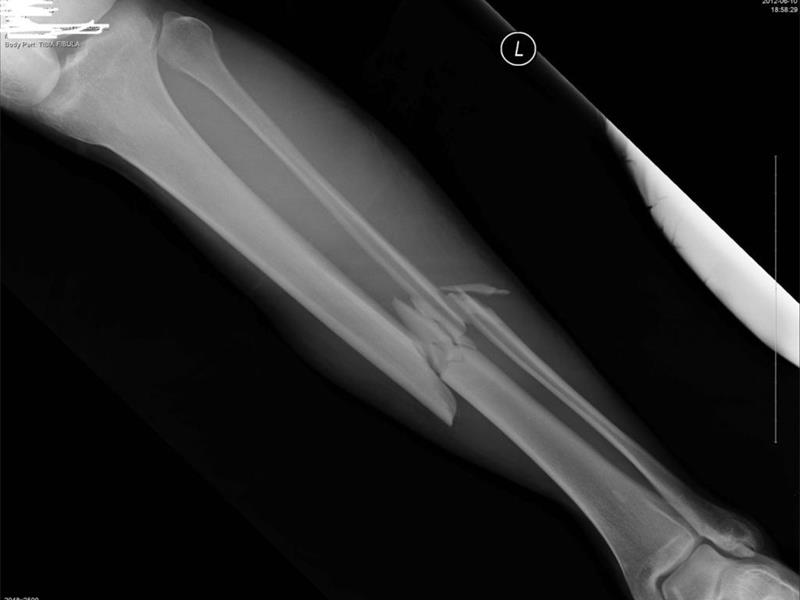
STAB or gunshot wounds, broken bones or venomous bites – any of these potentially life-threatening injuries are attended to in the Emergency Care Unit of Ngwelezana Hospital every day.
Considered by many to be the first port of call for any severe trauma, the hospital has an outstanding reputation for saving lives.
The facility, currently in the throes of a multi-million rand upgrade, is however facing a serious dilemma.
Some of their x-ray machines are out of order and have been for more than a month.
Last week a source who works closely with the hospital told the Zululand Observer that serious delays in the radiology department at the hospital has led to several cases of critical patient care being delayed.
‘When dealing with extensive trauma, x-rays are more often than not critical before treatment of the patient can begin,’ the source said.
‘For at least three weeks now, the x-ray facility has been non-functional.’
Critical service
Ngwelezana services three million residents from the uThungulu, uMkhanyakude and Zululand regions and deals with an average of 60 000 new patients annually.
More than 4 000 of those are in need of resuscitation when they arrive and surgeons treat up to 150 patients a day with extensive trauma injuries and illnesses.
The radiology department has more than 20 sophisticated radiology machines available, including CT scanners and x-ray equipment, and performs around 250 different x-ray exams a day.
‘We have been affected by machines breaking down and have been able to push the other functioning machines to their limits to deal with the load of patients,’ said hospital spokesperson Pinky Bhengu.
‘The machines we use are bought overseas and as such spares are not easily located or available in South Africa.
‘Occasional delays are experienced when parts need to be sourced internationally, resulting in delays in repair work,’ she said.
According to Bhengu, the hospital has had to source assistance from other local hospitals, namely the Lower Umfolozi War Memorial Regional Hospital and eShowe Hospital.
‘Urgent patients are also transferred to other hospitals such as Inkosi Albert Luthuli and King Edward hospitals where necessary.
‘This is done to ensure patient care is never compromised.’
Most affected
Bhengu explained that CT scan and MRI machines were particularly affected as spare parts were very expensive and it was not feasible for local service providers to keep these in stock.
‘It is regrettable that non-urgent patients are at times delayed. Those patients are timeously notified where possible.’
She said that the ‘prioritisation’ of emergency patients was done by medical specialists and doctors, and that no ‘emergencies have been affected by any breakage or loss of machines in the hospital.’