
Mozzies invade Richards Bay
The uThungulu District Municipality (UDM) confirmed the mosquito plague.
‘EVEN a mosquito only gets a pat on the back after he has done a good job,’ one wit has observed.
Well, the mozzies of Richards Bay have certainly been hard at work, arriving in fully armed squadrons and attacking with gusto in a concerted ‘sting operation’.
Residents, particularly in Arboretum, Veldenvlei and Wildenweide, have been forced to close doors and windows at dusk to avoid stings from the hordes of pesky proboscises.
Especially hard hit have been those keep fit enthusiasts who exercise outdoors, where the frequent sound of slapping fills the air.
A combination of standing water and high temperatures in the late summer has contributed to the above normal presence of mosquitos in the Bay, where many years ago streets would have been sprayed with DDT – a practice thankfully no longer employed.
The uThungulu District Municipality (UDM) confirmed the mosquito plague.
‘Following several complaints from the public as a result of an increase in mosquitoes in the uMhlathuze municipal area, investigations were undertaken by the Department of Health: Malaria Control Programme: Entomology section and the Environmental Health section of uThungulu District Municipality,’ said UDM Municipal Manager Mandla Nkosi.
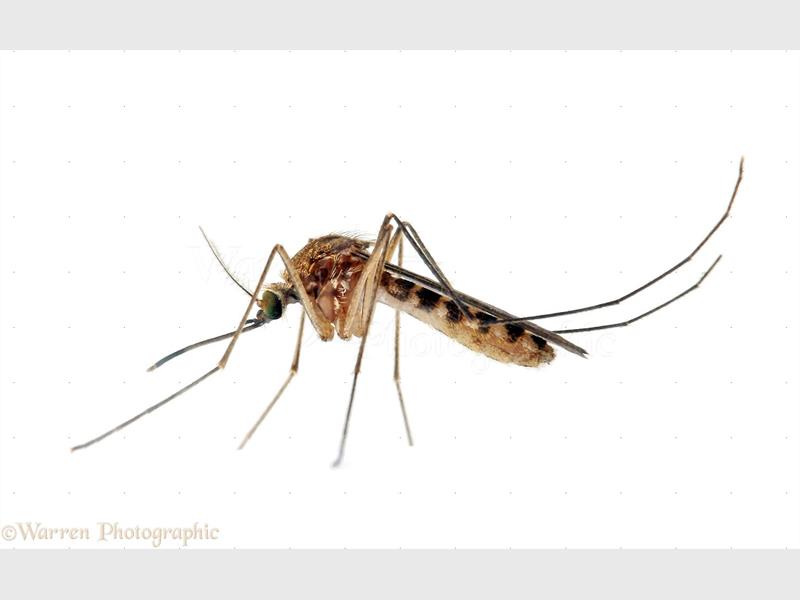
‘The investigations revealed that the mosquitoes generating the complaints were of the Culex species and are nuisance mosquitoes – meaning that they do not pose any health risks.
‘The current drought conditions and high temperatures have contributed to the increased breeding of these mosquitoes.
‘As the levels drop in storm water, streams and dams, small puddles are formed which are favoured by these mosquitoes as breeding grounds.
‘Any stagnant water source, however small, standing longer than two days needs therefore to be addressed.’
Hints and helps
• Clean out gutters so no water accumulates.
• Ensure air conditioner condensate and geyser condensate do not accumulate.
• Empty pot plant drip trays on a regular basis
• Proper disposal of waste. Plastic containers, bottles and wrappers will hold water, thus creating mosquito breeding grounds
• Proper disposal of disused tyres, which also hold rain water
• Ensure storm water drains are free flowing and not stagnant
• Flush out water holding-plants such as bromeliads
• Ensure fish ponds, bird baths and swimming pools are maintained
• Use applicable mosquito repellents and other insecticides to protect from bites
• Wear long-sleeved shirts, and trousers
• Use mosquito nets over beds
• Install mosquito netting on windows and doors.