
How to tell if your child is being bullied
Bullies tend to be skillful at hiding their behaviour from adults and victims will often cover up evidence, because of a sense of shame.
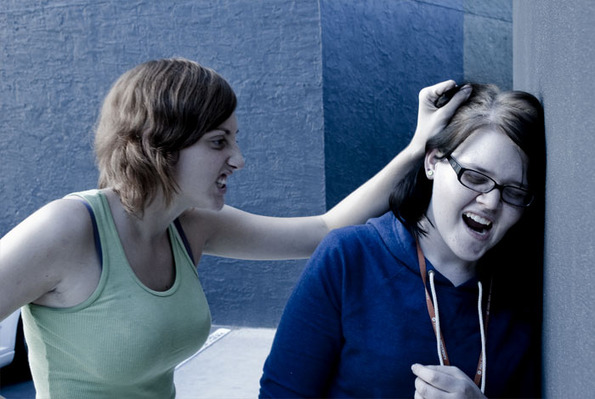
Bullying leaves victims, many of them children, vulnerable and afraid to share this information with others for fear of being further victimised.
Richards Bay Saps communications officer Captain Debbie Ferreira said it is important for adults to spot the warning signs that a child is being bullied.
ALSO READ: Jozini SAPS seeks missing persons
‘It is vital that children and teenagers know to speak to someone about bullying – be it a friend, parent, brother or sister, uncle or aunt and, most importantly, if it happens at school, speak to a teacher,’ she said.
‘Most bullying occurs away from adults, when children are alone at school or on their way home from school. Bullies tend to be skillful at hiding their behaviour from adults and victims will often cover up evidence, because of a sense of shame.’
Warning signs may indicate that your child is being bullied:
•Your child appears worried, angry and moody.
•Your child may experience nightmares more frequently.
•Physical complaints increase and your child avoids explaining physical injuries.
•Withdrawal from friends and activities that they used to enjoy.
Steps to take to stop bullying:
•Talk to children about bullying – this can be a huge stress reliever for someone who is being bullied.
•Be supportive and listen to a child’s feelings without judgement, criticism or blame.
•Find help for the child and make sure that teachers, friends and counsellors know the child is being bullied.
Another prevalent form of modern bullying is cyberbullying. No matter how much pain it causes, children are often reluctant to tell parents or teachers about cyberbullying.
Warning signs of cyberbullying include:
•Becoming sad, angry or distressed during or after using the internet or phone.
•Appearing anxious when receiving a text, email or after being on social media websites.
•Avoiding discussions or being secretive when it comes to online activities.
•Refusing to go to school or to specific classes, or avoids group activities.
•A change in mood, behaviour, sleep or appetite.
Warning signs your child might be cyberbullying:
•Your child might respond to being cyberbullied by employing their own cyberbullying tactics. Help your child find better ways to deal with the problem.
•If your child has trouble managing strong emotions, such as anger, hurt or frustration, talk to a therapist about helping your child cope with these feelings in a healthy way.
Prevent cyberbullying before it starts
•Teach your children to block communication with cyberbullies.
•Never post or share their personal information online, including their full name(s), address(es), telephone number(s), the school’s name, parents’ names, credit card number(s), or their friends’ personal information.
•Monitor your child’s technology use by having access to passwords, and learn the common acronyms children use online.
•Keep the computer in a common area.
•Set up filters on your child’s computer and install tracking software to block inappropriate web content and check online activities.
•Encourage your child to tell you or another trusted adult if they receive threatening messages.