
RBCT clarifies the processes involved in the transportation of coal
RBCT does not receive coal by road - all coal received is by means of rail
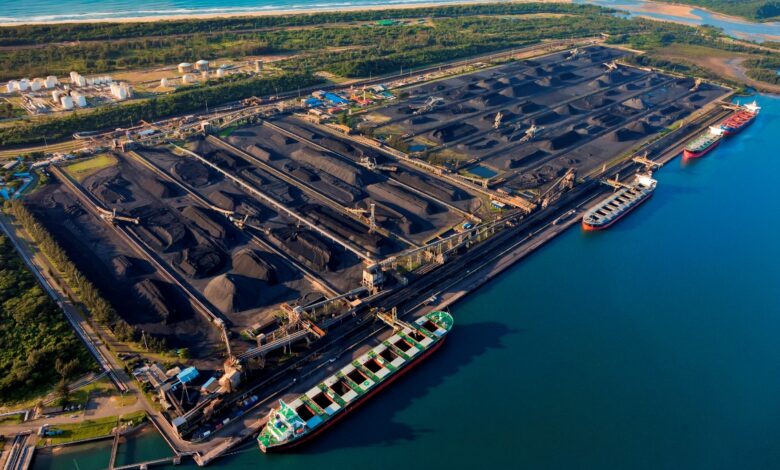
In response to the recent articles covered extensively in the media relating to the impact of coal trucks on the environment and on the road infrastructure in Richards Bay, RBCT would like to clarify to the public the processes involved in handling coal by the Terminal.
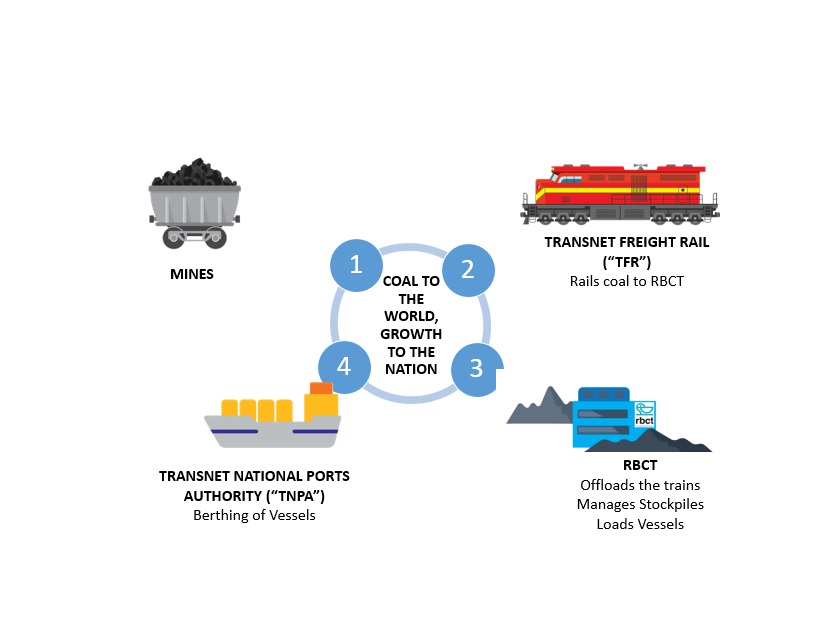
RBCT does not receive coal by road; all coal received is by means of rail facilitated by Transnet Freight Rail (TFR). The below flow outlines the value chain.
RBCT Infrastructure
RBCT’s coal handling process is made up of three sections, namely:
Imports (receiving of trains)
- There are five Tandem Tipplers in this area to offload the trains.
- RBCT has the capacity to receive an average of 25 trains per day
Stockyard (stockpiling the coal)
- RBCT has the capacity to stockpile 8.1Mt of coal on the ground.
- Machines utilised in the stockyard area are:
- seven Stacker Reclaimers (both for stacking and reclaiming of coal);
- two Stackers for stacking coal on the ground; and
- one Reclaimer (for reclaiming coal off the ground).
- There is one dedicated bypass route which makes it possible for coal to be moved directly from the train to a ship waiting to be loaded without first stacking the coal in the stockyard area.
Exports (loading of coal on vessels)
- There are four Shiploaders that load coal onto vessels.
- An average of 74 Vessels are handled at RBCT per month.
Environmental Compliance
RBCT has a legal and social responsibility to minimise the impact on the environment as well as to eliminate unplanned events such as unsanctioned water discharges and exceedances in terms of the air emission standards.
RBCT’s coal logistics activities are conducted within the framework of the ISO 14001:2015 Environmental Management System and a site specific Environmental Management Plan. Furthermore, RBCT holds the following environmental licenses:
- Air Emission Licence;
- Water Use License; and
- Scheduled Trade Permit.
The protection of the environment and compliance to environmental legislation remains paramount to RBCT. Pollution prevention strategies are in place which, in conjunction with ongoing mitigation measures, are aimed at reducing and mitigating the impact of RBCT’s operations on the environment. The responsibility of Environmental Management at RBCT resides with every employee and contractor on site.
RBCT’s main focus in terms of the environment is on:
- Air quality management with specific attention on ongoing dust mitigation strategies with timeous implementation plans;
- Water management and recycling plans;
- Management of waste at source and recycling opportunities;
- Improvement on reporting of environmental related incidents; and
- Leveraging on leading environmental management practices.
RBCT continues to focus on environmental stewardship. Surveillance audits on the system are continuously conducted to determine conformity to the management system with no major findings emanating from the audits.
We would like to assure our Community that all of our environmental practices are working effectively and continue to operate as they have always done. We take this responsibility very seriously.