
South Africans waste over 10 million tonnes of food each year
5 ways to combat food waste this festive season as food insecurity remains a concern in South Africa
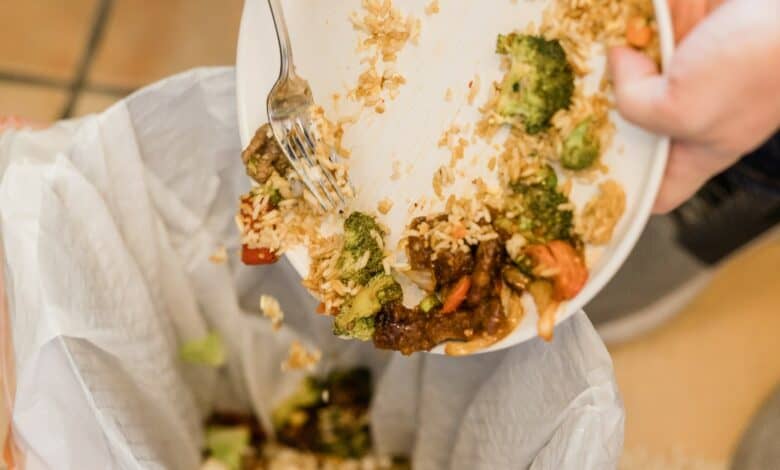
WHILE it has become a tradition for South Africans to celebrate the year-end festivities with elaborate Christmas spreads and family braais, loads of food are wasted during this time of year.
According to research conducted by the Department of Environment, Forestry and Fisheries (DEFF), more than 10 million tonnes of food is waste, of which 500 00 tonnes is consumption waste.
ALSO READ: Free picnic in Mtubatuba to showcase local talent
With food insecurity an ongoing issue in South Africa, the food that is wasted annually could feed an estimated seven million people.
“We have a responsibility to our planet, our fellow South Africans and our children, to buy, eat and dispose of waste more responsibly, which is why we should take certain steps to mitigate food waste.
A good place to start is this December break,” said Nicolle de Bruyn, executive officer of the Institute of Waste Management of Southern Africa.
5 ways to combat food waste:
• Smart shopping practices: Avoid impulse buying this holiday season, especially for big festive meals, by sticking strictly to your shopping list. Purchase smaller quantities of perishable items, and consider buying in bulk only for non-perishable goods that you can store properly
• Proper storage techniques: Store dry goods in cool, dry places, and refrigerate perishables like dairy, meat and certain vegetables to extend the life of your food. Make considerations for how hot the December period is in South Africa, and don’t leave festive food out for long
• Thoughtful meal planning: Plan meals in advance to avoid over-purchasing and eventually throwing away more spoilt food than is necessary – which is especially important for large celebrations where food is often made in abundance
• Portion control and serving sizes: Ensure your eyes are not bigger than your stomach – it’s easy to dish up too much, leading to excess food on plates. Practice portion control
• Composting organic waste: Composting is an effective way to manage unavoidable food waste. By setting up a compost bin, households can convert organic waste into nutrient-rich soil for gardens. This reduces the amount of waste sent to landfills and supports sustainable gardening practices.
Don’t have the ZO app? Download it to your Android or Apple device here:


HAVE YOUR SAY
Like our Facebook page and follow us on Twitter.
For news straight to your phone invite us:
WhatsApp – 060 784 2695
Instagram – zululand_observer