
A kitchen sponge is dirtier than a toilet seat
Dish sponges can contain about 50 billion bacterial cells per cubic centimetre, research finds
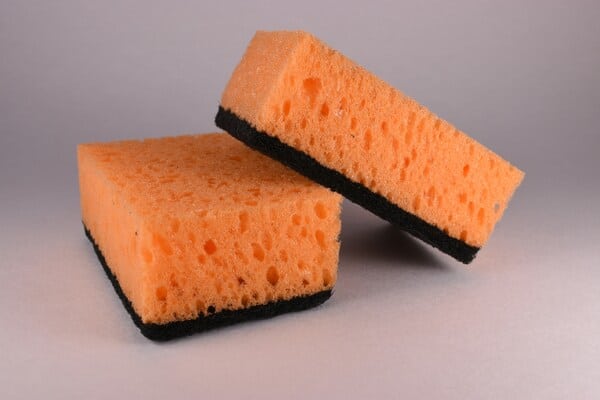
Despite kitchen sponges being the go-to cleaning tool for dishes in most homes, these nifty little items can be dirtier than a toilet seat.
According to research conducted by the American Society for Microbiology, this dishwashing aid can contain about 50 billion bacterial cells per cubic centimetre.
A different study echoed the same findings, stating that it found an alarming 362 different species of bacteria on a single sponge.
In addition to being a breeding ground for germs, the ‘dirty’ sponge can cause food poisoning and other illnesses.
To prevent illnesses and cross-contamination, some people clean their sponges at least once a week by microwaving the wet sponge on high for at least one minute, provided it does not have any metal fibres.
Other effective ways to cleanse this kitchen tool of germs include placing it in the dishwasher on hot for one complete cycle, or soaking it in 10% bleach or 70% ethanol for one minute.
An alternative is to switch to a brush with bristles that dry quickly, as quick-drying brushes hold less moisture, unlike a sponge which is a hospitable environment for bacteria to thrive.
Don’t have the ZO app? Download it to your Android or Apple device here:


HAVE YOUR SAY
Like our Facebook page and follow us on Twitter.
For news straight to your phone invite us:
WhatsApp – 060 784 2695
Instagram – zululand_observer