
Top 6 Black Friday scams and how to avoid them
Dodgy QR codes, deepfake videos and non-existent goods are just a few of the scams set to catch unsuspecting shoppers this Black Friday
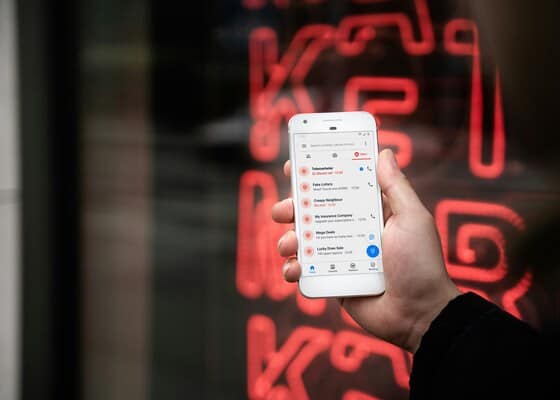
With Black Friday fast approaching, South African retailers are gearing up to make big sales with discounted offerings – some of them genuine, some simply to get rid of old stock.
The problem is, cybercriminals are also gearing up to empty your wallet, not your shopping cart.
Each year, the National Financial Ombud and SAPS report a surge in fraud cases around this time, and 2025 is no different.
With the rise of digital tools at cybercriminals’ disposal – alongside desperate shoppers looking for the best deals – you need to do everything you can to not be duped.
Here’s what to look out for:
1. AI-powered deepfakes
Fraudsters are using artificial intelligence to mimic real brands and even voices, creating emails or videos that appear to come from trusted companies like Takealot or Amazon.
They might claim there’s a ‘problem with your order’ or offer a ‘special deal’ that redirects to a fake site.
Tip: Always type the retailer’s web address directly into your browser. Never click on links in emails or messages.
2. Fake websites and spoof stores
Scammers are setting up websites that look identical to major retailers. These fake sites often use small spelling errors in URLs (like takealoot.co.za). Once you pay, the site vanishes… along with your money.
Tip: Look for the padlock symbol in the URL and ensure it begins with https://
3. Phishing, smishing and quishing
These involve fake emails, SMS messages, and even QR codes that redirect you to malicious sites. Expect fake courier notifications or requests to ‘verify your account’.
Tip: Never scan QR codes or click links from unknown sources. Contact the company directly if unsure.
4. Social media scams
Fraudsters are copying brand profiles on Facebook and Instagram, offering ‘giveaways’ or ‘exclusive deals’. They often use subtle spelling changes and request personal details via DM.
Tip: Real brands use verified profiles and never ask for banking details via social media.
5. Counterfeit goods and marketplace scams
Scammers on platforms like Facebook Marketplace advertise luxury goods or electronics at unbelievable prices. These are often counterfeit or non-existent items.
Tip: If the price seems impossibly low, it’s almost certainly fake or non-existent. Request real photos and check reviews before paying.
6. Fake delivery notifications
With parcels flying around the country this season, scammers exploit the chaos with fraudulent delivery texts. These messages claim your package is delayed or requires a small payment. Clicking the link could expose your details.
Tip: Track parcels only via the courier’s official app or website.
Stay smart and shop safely
South Africa’s Black Friday spending topped R4.8-billion in 2024, and 2025 is set to break records. But as spending grows, so does cybercrime sophistication.
Protect yourself by:
· using virtual credit cards for safer transactions
· enabling two-factor authentication on all accounts
· avoiding public Wi-Fi when shopping online
· setting spending or transfer limits via your bank app
SOURCES: www.dailymaverick.co.za | www.sundayindependent.co.za | www.thinkmoney.co.uk
Don’t have the ZO app? Download it to your Android or Apple device here:


HAVE YOUR SAY
Like our Facebook page and follow us on Twitter.
For news straight to your phone invite us:
WhatsApp – 060 784 2695
Instagram – zululand_observer