
Driver error behind majority of N3 crashes as heavy Easter return traffic expected
Traffic volumes of between 1 500 and 2 500 vehicles per hour are expected on Monday
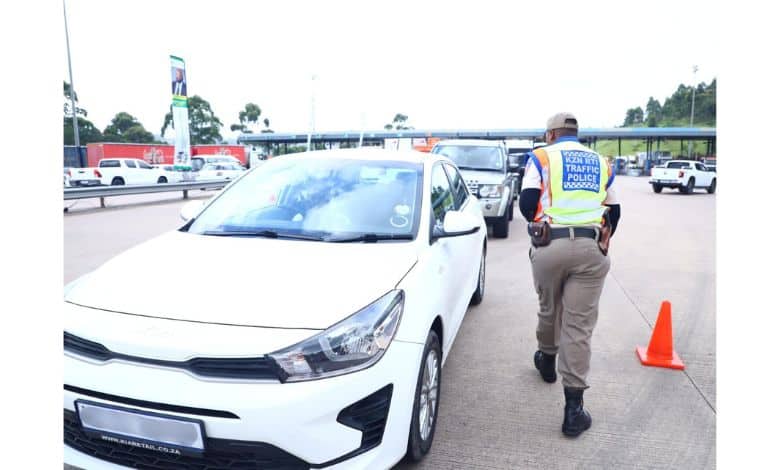
Driver behaviour remains the leading cause of crashes on the N3 Toll Route, with data showing that 83% of light motor vehicle crashes and 80% of heavy motor vehicle crashes in 2025 were linked to driver error or negligence.
N3 Toll Concession (N3TC) spokesperson Thania Dhoogra said this comes as motorists prepare for heavy return traffic at the end of the Easter holiday period, with conditions expected to become more demanding, The Witness reports.
ALSO READ: Wedding called off after groom, father arrested in drunk driving blitz
“Changing travel conditions, heavy traffic and possible crashes may disrupt traffic flow along sections of the route,” said Dhoogra.
Many recent incidents involved single-vehicle crashes, where drivers lost control and vehicles left the roadway or rolled. Head-on collisions caused by risky overtaking and multi-vehicle crashes also remain a concern during peak travel periods.
“We encourage motorists to be prepared for changing travel conditions and to allow sufficient travel time for possible delays or emergencies,” said Dhoogra.
She warned that the demands on drivers increase as traffic volumes rise, especially after long hours on the road, when fatigue sets in or darkness falls.
ALSO READ: Ensure your vehicle is safe to drive this Easter
“If possible, please avoid last-minute or night-time travel. Plan your return trip to allow enough time for rest stops, slow-moving traffic and possible delays,” she said.
Dhoogra cautioned that the impact of head-on crashes is often severe.
“Head-on collisions caused by risky overtaking remain a major concern during peak travel periods and are often fatal or life-altering,” she said.
With the end of the Easter long weekend coinciding with the autumn school holidays, increased numbers of public transport vehicles, leisure travellers and freight trucks are expected along the route.
Motorists are urged to make allowances for heavy vehicles, which travel at slower speeds.
Public transport vehicles have a maximum speed limit of 100 km/h, while heavy motor vehicles are limited to 80 km/h, depending on the posted speed limits.
Drivers were also warned not to cut in front of trucks or buses and to avoid tailgating, as heavy vehicle drivers may not see vehicles travelling too closely behind them due to blind spots.
Road users are reminded to maintain a safe following distance, avoid distractions such as mobile phones, obey speed limits, never overtake on blind rises or solid lines, and always drive sober.
Additional road safety and emergency resources have been deployed along the route.
N3TC and its road incident management partners will monitor traffic conditions and assist motorists where necessary.
Traffic volumes of between 1 500 and 2 500 vehicles per hour are expected on Monday, with most traffic heading northbound towards Gauteng, although busy conditions are also possible southbound towards KwaZulu-Natal.
Peak traffic is expected from 9 am on Monday, with similar volumes forecast for Tuesday.
If necessary, the Road Traffic Inspectorate may implement special traffic control measures, particularly near Van Reenen Pass.
Motorists can access verified traffic updates via @N3Route on X or contact the 24-hour N3 Helpline on 0800 63 43 57
Don’t have the ZO app? Download it to your Android or Apple device here:


HAVE YOUR SAY
Like our Facebook page and follow us on Twitter.
For news straight to your phone invite us:
WhatsApp – 060 784 2695
Instagram – zululand_observer
TikTok – @zululand_observer