
Shark bite fatality renews net debate amid bycatch concerns
KZN's shark control methods face renewed scrutiny amid concerns over bather safety, marine conservation and net bycatch
The tragic death of Janine Lochrenberg, who was killed by a shark while swimming at Orient Beach in East London last week, is a heart-breaking reminder of the risks associated with entering the ocean.
Globally, shark bites are extremely rare but their consequences can be devastating.
Protecting human lives and the coastal economies that depend on safe beaches is essential. So is ensuring sharks continue to play their vital role in marine ecosystems.
For decades, KZN has relied on shark nets and drumlines to reduce the risk of shark bites.
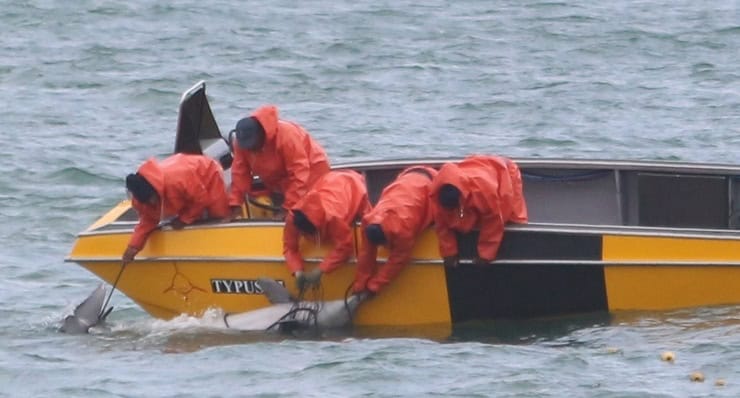
Contrary to popular belief, shark nets are not barriers that prevent sharks from entering bathing areas. They are large fishing nets designed to catch and kill sharks.
Drumlines are baited hooks with the same purpose. Unfortunately, both methods also catch dolphins, rays, turtles and more.
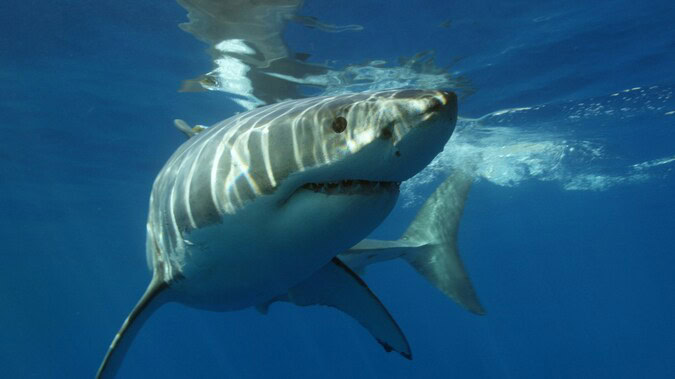
Photo: Oleksandr Sushko/Unsplash
Considerable progress has been made in reducing these environmental impacts.
The number of nets has been substantially reduced, some nets have been replaced with drumlines, seasonal net removals have been introduced, and the few animals found alive are released.
These changes have reduced the number of animals killed without any increase in serious shark bites at protected beaches.
How do other countries deal with the issue?
A recent international assessment noted that just three countries still use lethal methods to reduce shark bite risk: South Africa, Australia and France (at Réunion Island).
However, KZN stands apart as the only region relying exclusively on lethal methods.
The Australian and French governments are increasingly combining traditional shark control with non-lethal alternatives.
These include trained shark spotters, drones, electronic shark detection systems, physical barriers and specialised drumlines that allow sharks to be captured, relocated and released alive.
Internationally, the trend is towards combining different approaches, including non-lethal methods, in beach-specific strategies.
This is increasingly recognised as best practice.
Not every method will work along KZN’s exposed coastline, and no approach can completely eliminate the risk of shark bites.
We need to accelerate the testing of a wider range of non-lethal measures in KZN. The Sharks Board has already undertaken research into electrical shark deterrents. This is a strong candidate worth testing and developing.
Protecting people and conserving sharks need not be competing goals.
With modern technology, scientific research and a willingness to embrace change, we can work towards making KZN’s beaches safe for people, sharks and dolphins too.
• Check out a good website an Australian scientist developed based on her review of all the different ways that have been tested to mitigate shark bites: https://www.sharkmitigationscience.com/
Don’t have the ZO app? Download it to your Android or Apple device here:


HAVE YOUR SAY
Like our Facebook page and follow us on Twitter.
For news straight to your phone invite us:
WhatsApp – 060 784 2695
Instagram – zululand_observer
TikTok – @zululand_observer