Embrace the twists and turns of your learning journey: Becoming a payroll officer
Each week, we shine a light on different career paths to educate, inspire, and help young people explore new possibilities.
Selecting the correct career is a crucial decision with far-reaching implications. It is a choice that will shape your future, underscoring the importance of making an informed decision.
Over the next few weeks, The African Reporter will engage with business people, professionals and other role players, focusing on a specific career every week.
By doing this, we aim to provide valuable guidance to our younger readers navigating their career choices. This week, we give a platform to the payroll officer career.
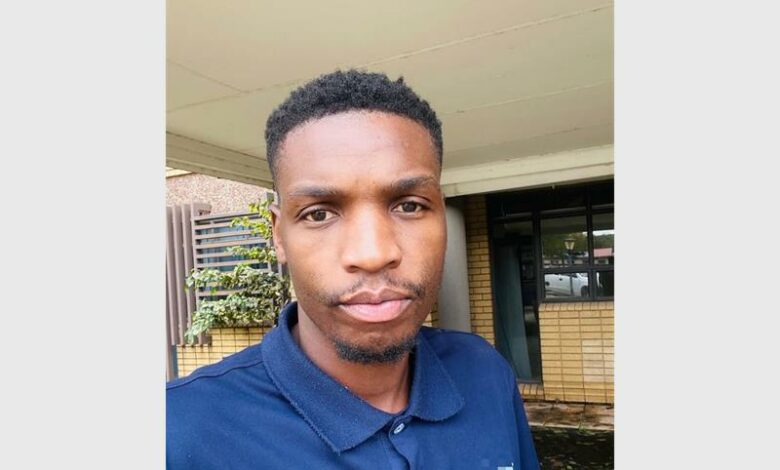
Musa Mbhele has been a payroll officer for eight years and describes himself as a person who loves challenges.
“I grew up with a capacity for numerical solutions. In high school, a teacher advised me to pick the accounting stream.
“She convinced me that I would thrive and maybe become one of the best in the field. That is how my financial education took shape and motion,” said Mbhele.
“I love everything about my job. I love it because it challenges me to elevate education. I urge everyone to go to school. You might not see it now, but that is the best thing you could do for yourself. “
What is a payroll officer?
They are a finance or HR professional responsible for managing employee compensation. They ensure that all staff are paid accurately and on time, including salaries, bonuses, deductions and benefits.
What does a payroll officer do?
They process payroll data, calculate wages, manage tax deductions, update employee records, ensure compliance with labour laws and handle queries related to salaries and payslips.
What skills are needed to become a payroll officer?
A payroll officer needs strong attention to detail, numerical accuracy, confidentiality, time management and a good understanding of payroll software and accounting principles.
What interests or knowledge are crucial in this career?
Interests in finance, human resources, mathematics, data management and employment law are vital. A keen interest in organisation and problem-solving also helps.
ALSO READ: Embrace the twists and turns of your learning journey: Becoming a language practitioner
Where can I study to become a payroll officer?
You can study payroll or human resource management through institutions such as:
• Damelin;
• Boston City Campus;
• Unisa;
• Tshwane University of Technology.
These offer payroll administration or accounting qualifications.
Which high school subjects can prepare me for this career?
Mathematics, accounting, business studies, computer applications technology and economics provide a good foundation for payroll work.
What are your primary roles and responsibilities?
• Processing employee salaries and wages;
• Managing tax, UIF and pension deductions;
• Maintaining employee payroll records;
• Preparing reports for management;
• Ensuring compliance with labour and tax laws;
• Handling payroll-related queries.
What soft skills are useful in payroll management?
Communication, confidentiality, problem-solving, teamwork and integrity are vital. Payroll officers must also be dependable and discreet, since they handle sensitive employee information.
What technical skills are essential for the job?
• Proficiency in payroll and accounting software (SAGE, Pastel or QuickBooks);
• Understanding tax and labour laws;
• Data entry and financial reporting;
• Strong Excel skills and database management.
ALSO READ: Embrace the twists and turns of your learning journey: Becoming a personal financial advisor
What are the pros and cons of the job?
Advantages:
*Stable and in-demand career;
*Clear career progression (HR manager, payroll manager);
*Opportunities in private and public sectors.
Disadvantages:
*High responsibility, errors can be costly;
*Tight deadlines, especially during month-end;
*Repetitive tasks that require strong attention to detail.
How can a payroll officer grow and advance in their career?
By:
• gaining professional certifications (payroll administrator certificate or HR diploma);
• learning advanced payroll systems;
• moving into HR, finance or management positions;
• Attending workshops and staying updated on tax/labour law changes.
Where do payroll officers typically work?
They work in corporate companies, government departments, accounting firms, schools, hospitals and NPOs.
What challenges do payroll officers face in their work?
• Keeping up with changing tax and labour laws;
• Managing errors under tight deadlines;
• Maintaining confidentiality;
• Handling employee complaints and discrepancies diplomatically.
What advice would you give to someone who wants to pursue a career in payroll?
Start by building a strong foundation in accounting and computer literacy. Be patient, accurate and disciplined. Always stay informed about payroll regulations and invest in learning payroll software.