Embrace the twists and turns of your learning journey: Becoming an aesthetic practitioner
Each week, we shine a light on different career paths to educate, inspire, and help young people explore new possibilities.

Selecting the correct career is a crucial decision with far-reaching implications. It is a choice that will shape your future, underscoring the importance of making an informed decision.
Over the next few weeks, The African Reporter will engage with business people, professionals and other role players, focusing on a specific career every week.
By doing this, we aim to provide valuable guidance to our younger readers navigating their career choices. This week, we give a platform to the aesthetic practitioner career.
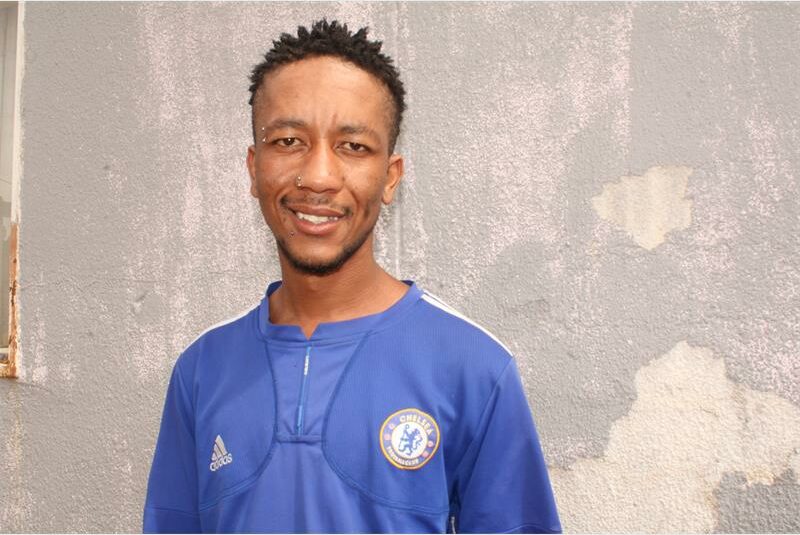
Kabelo Mogotsi has been an aesthetic practitioner for three years. His interest in this career began with a desire to learn a skill he had never heard of that would help his community.
“For example, people get tattoos at a young age, and as they grow older, they begin to dislike them. That is where I come in and assist by removing the disliked tattoo. It gives me peace to know I can help boost someone’s confidence through my work and skills,” he said.
What is an aesthetic practitioner?
An aesthetic practitioner is a trained professional who performs cosmetic and non-surgical procedures to improve clients’ appearances and well-being.
They focus on treatments for the skin, hair, nails and body to enhance a person’s natural look, boost confidence and address cosmetic concerns.
What does an aesthetic practitioner do?
• Facial treatments (chemical peels, microdermabrasion);
• Skin rejuvenation procedures;
• Hair removal (laser and waxing);
• Injectables (Botox, dermal fillers, if qualified and licensed);
• Body contouring and cellulite treatments;
• Client consultations to recommend appropriate treatments and skincare routines.
Where can I study to become an aesthetic practitioner?
At accredited colleges or private training institutions offering diplomas or certificates in aesthetics or beauty therapy. Some universities offer specialised courses in cosmetic science or aesthetic medicine.
Short courses and workshops for specific treatments like laser therapy or injectables (ensure they are accredited).
Which high school subjects do I need?
Recommended subjects:
• Life science;
• Physical science;
• Maths or maths lit;
• English;
• Business studies.
ALSO READ: Embrace the twists and turns of your learning journey: Becoming a personal financial advisor
What are the requirements to become an aesthetic practitioner?
• A high school diploma or equivalent;
• A passion for skincare, beauty and client care;
• Good communication skills and attention to detail.
For certain treatments (like injectables), a medical background might be required (nursing or medical degree). Completion of accredited training or a diploma in aesthetics
Where do aesthetic practitioners work?
• Spas and wellness centres;
• Beauty salons;
• Dermatology and cosmetic clinics;
• Medical aesthetic clinics (if medically qualified);
• Freelance or mobile services for private clients;
• Hotels or luxury resorts offering cosmetic treatments.
What are the daily duties of an aesthetic practitioner?
• Consulting with clients to assess their needs and recommend treatments;
• Safely and effectively performing aesthetic procedures;
• Maintaining hygiene and sterilisation standards;
• Keeping client records and treatment plans;
• Advising clients on aftercare and skincare routines;
• Staying updated with new techniques, technologies and products.
What are the advantages of being an aesthetic practitioner?
• Flexible career opportunities (clinics, spas, salons, freelance);
• High demand for services in urban areas;
• Ability to make a positive impact on clients’ self-esteem;
• Opportunities for continuous learning and specialisation;
• Potential for entrepreneurship (owning a clinic or spa).
What are the disadvantages of the job?
• Long hours and standing for extended periods,
• Exposure to chemicals, lasers or other equipment (requires strict safety protocols),
• Physically demanding on the hands and body,
• High responsibility. Mistakes can impact client health or appearance.
• Income may initially be low while building a client base.
What additional qualifications can I pursue?
• Specialised certifications: laser therapy, microneedling, chemical peels or injectables;
• Advanced courses in skin science or cosmetic dermatology;
• Business management courses if planning to run your own clinic;
• Makeup artistry or holistic wellness courses to expand service offerings.
What advice would you give to someone wanting to become an aesthetic practitioner?
Work and study hard, and follow your dreams. Everything you put your mind to is achievable.
ALSO READ: Embrace the twists and turns of your learning journey: Becoming a language practitioner