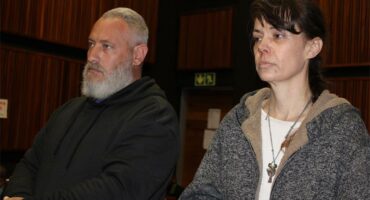
High Court orders Operation Dudula to stop harassing foreign nationals in Johannesburg and surrounding areas
A Johannesburg High Court ruling has ordered Operation Dudula to stop targeting foreign nationals, ensuring migrants in Alberton and surrounding areas can access schools, clinics and businesses without fear of intimidation.
The Gauteng Division of the High Court in Johannesburg has issued a landmark ruling ordering the anti-migrant group Operation Dudula to stop harassing foreign nationals and directing law enforcement and key government departments to enforce the order.
The judgment, delivered on November 4, marks a significant step in protecting the constitutional rights of migrants living in South Africa.
The ruling comes after a two-year legal battle, initiated in 2023 by civil society organisations, including Kopanang Africa Against Xenophobia (Kaax), the South African Informal Traders Forum, the Inner City Federation, and Abahlali baseMjondolo.
Represented by the Socio-Economic Rights Institute, these groups challenged the unlawful and xenophobic conduct of Operation Dudula, which has been accused of blocking access to schools, clinics, and workplaces for foreign nationals.
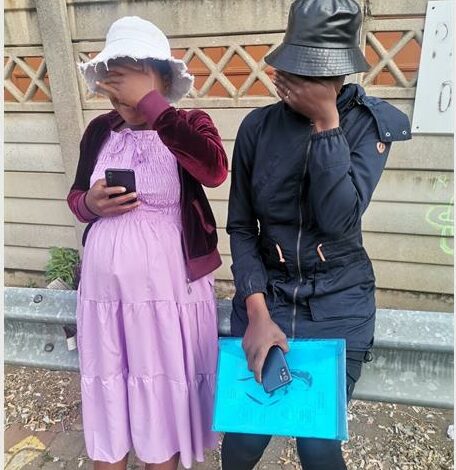
In a development local to Alberton, the Alberton Record has received a complaint from a resident who was allegedly harassed by members of Operation Dudula outside her rented house.
The resident, with all necessary permits and identity documents, said Dudula members harassed her aggressively, despite having full legal documentation.
“I feared for my life because they were shouting, fighting, and demanding to see my papers, even though I had everything,” the resident said.
Judge Leicester Adams made it clear that Operation Dudula’s harassment, intimidation, and assault of migrants are unlawful and unconstitutional.
The judgment states that only police and immigration officers have the legal authority to check identification documents and that private individuals, including groups like Operation Dudula, have no such powers.
Key points of the ruling include:
• Operation Dudula members, including president Zandile Dabula and deputy chairperson Dan Radebe, are prohibited from demanding passports or IDs from private individuals.
• The group cannot intimidate, harass, or assault anyone identified as a foreign national.
• Operation Dudula is banned from blocking access to healthcare facilities or schools, interfering with homes, businesses, workplaces, and carrying out unlawful evictions.
• Members are also barred from making public statements or online posts that promote hate based on nationality, ethnicity, or social origin.
• The group may not encourage others to commit any of the above actions, whether in person, online, or during public gatherings.
• Operation Dudula, which is registered as a political party and is preparing for the 2026 local government elections, has carried out a sustained campaign targeting foreign nationals.
The group has previously checked passports and IDs outside hospitals, clinics, and migrant-owned businesses, and has announced plans to block foreign children from attending schools.
Civil society organisations welcomed the High Court ruling as a strong affirmation of constitutional rights.
Dale McKinley, speaking on behalf of Kaax, said the judgment puts an end to the dangerous notion that vigilante groups can replace the state or take the law into their own hands.
McKinley stressed the importance of enforcement, noting that in the past, some court orders had been ignored or implemented inconsistently.
The court also instructed government departments to take active measures under the National Action Plan to Combat Racism, Xenophobia and Related Intolerance.
This includes establishing rapid response systems for xenophobic threats, collecting and publishing data on hate crimes, and ensuring that police and immigration officers act within the law when verifying documentation.
Children under 18 can only be questioned, arrested, or detained as a last resort and in line with constitutional protections.
To ensure compliance, Kaax, along with organisations such as Doctors Without Borders, SECTION27, Abahlali baseMjondolo, the South African Human Rights Commission, and the Treatment Action Campaign, plans to monitor schools, clinics, and workplaces.
McKinley urged residents to report any attempts by Operation Dudula to intimidate migrants or block access to services.
“If we ignore this, we set a dangerous precedent. The law begins to mean nothing when powerful groups act above it,” he said.
For residents of Alberton and surrounding areas, the ruling provides legal protection and reassurance.
Migrants can now access healthcare, education, and essential services without fear of harassment or intimidation.
The judgment is being hailed as a crucial step in upholding the constitutional rights of all residents, regardless of nationality, and curbing the influence of vigilante groups like Operation Dudula.
WATCH: Operation Dudula protests Rosettenville hijacked building and illegal connections