Community-led project set to rescue polluted Gillooly’s Dam
Better Bedfordview and UJ Peets have finalised a plan to restore Gillooly’s Dam using floating wetlands, aiming to improve water quality, revive biodiversity, and boost recreation for local and downstream communities.
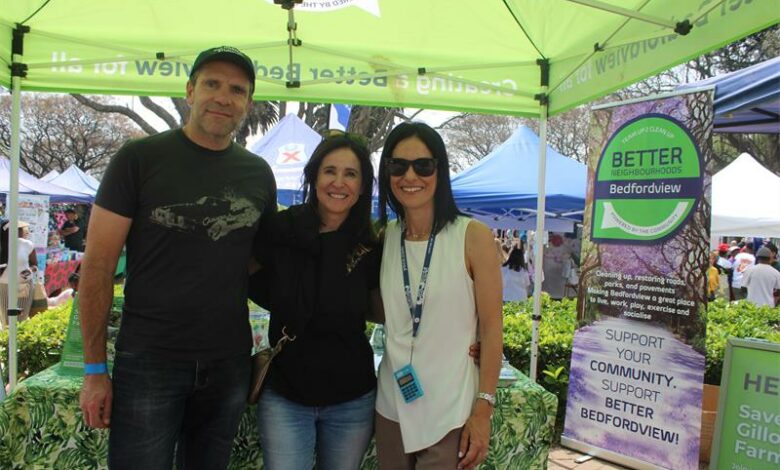
Following years of groundwork and a successful feasibility study, a project plan to rescue the polluted Gillooly’s Dam has been finalised.
The plan, a partnership between the Better Bedfordview NPO and the University of Johannesburg’s Process Energy and Environmental Technology Station (UJ Peets), is ready to be rolled out.
The UJ Peets, working with an implementation partner, will undertake remediation strategies to improve water quality, re-establish beneficial organism communities and create resilience in the system. The initiative could become a model for river rehabilitation.
ALSO READ: Community-led action in spotlight at Better Bedfordview Business Breakfast
The aim is to improve water quality and increase recreational activities at the dam, benefiting the community, visitors to Gillooly’s Farm and downstream communities.
Floating wetlands as a bioremediation tool
The intervention includes optimised floating wetlands as a bioremediation treatment for the water system flowing into Gillooly’s Dam and within the dam.
“This technology is ready, with a prototype developed and deployed in the Jukskei River.
“The construction, deployment and management of the floating wetlands, as well as microbe dosing, will be done by business partner Kleen Health.
“The UJ Peets will provide technical expertise, manpower and water testing and analysis over the next six months,” said committee member Dave Morris.
Stakeholders brought together for integrated action
Since 2025, Better Bedfordview has engaged national civil society organisations, environmental activists, community and business leaders, academic experts and volunteers.
The NPO also worked with Outa’s Water Community Action Network team, including executive manager Dr Ferrial Adam, a water and environment specialist. The NPO focused on building relationships, facilitating dialogue and pushing for integrated action.
ALSO READ: Better Bedfordview to host business breakfast with top speakers on June 27
“We saw people working hard, but in silos. Community members were organising clean-ups, researchers were studying water quality, community ‘scientists’ were taking samples, and local government role players were monitoring the situation.
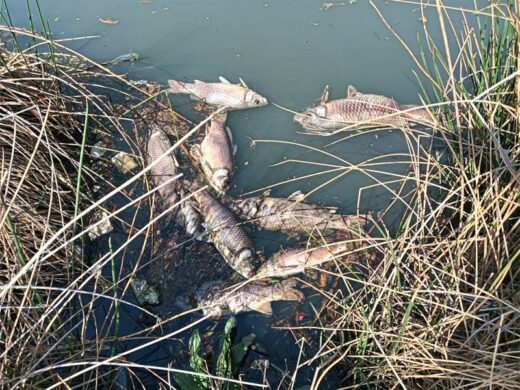
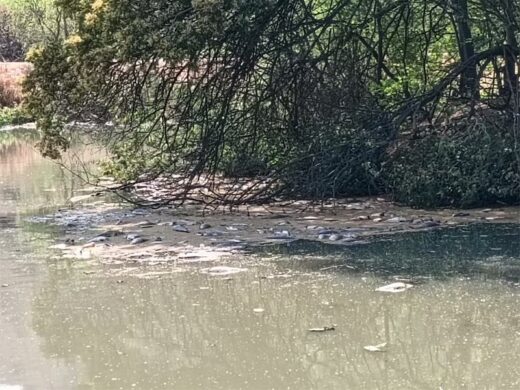
“Despite this, the smell stayed the same, the water was still polluted, fish were dying, and people were put off visiting the park and joining events like the parkrun,” said Better Bedfordview chairperson Marina Constas.
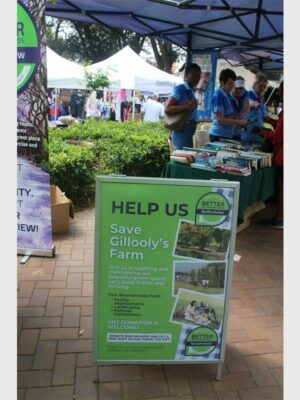
Connection to the Jukskei River complicates the project
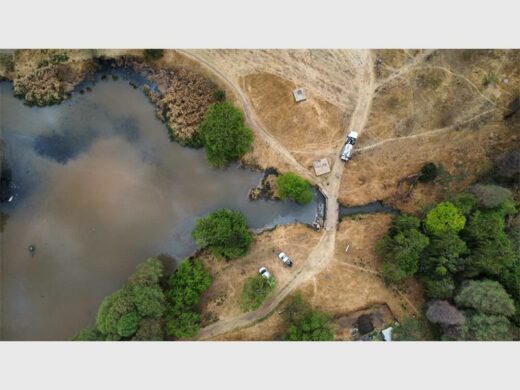
“The Gillooly’s Dam’s connection to the Jukskei River, one of Johannesburg’s most polluted river systems, makes it a complex but critical problem. Water from the dam flows into the Jukskei, contributing to downstream pollution. Conversely, polluted inflows from the catchment impact the dam during flooding, creating a cycle of ecological stress,” Morris explained.
City says project could be replicated elsewhere
CoE spokesperson Zweli Dlamini said before the current community-led initiative, the city had collaborated with Johannesburg to remove litter and debris from the stream through the Expanded Public Works Programme, employing 16 workers.
ALSO READ: Help Better Bedfordview complete its pothole mission
The city admitted the dam’s condition is unsatisfactory.
“There is a high build-up of sediment, encouraging excessive reeds. In addition, the dam is prone to sewage pollution whenever there is a blockage.”
The CoE said it supports the proposal by Better Bedfordview and the UJ Peets to use artificial wetlands, as it aligns with a 2022 study it commissioned.
“This is one initiative that, if successful, can be replicated in other water courses in future,” Dlamini said, adding that water courses are sensitive environmental spaces and activities in them are regulated by legislation.