Experts warn SA industries about growing Legionella threat
FoodFacts Laboratory held a conference to educate people about the Legionella pneumophila bacterium and its dangers.
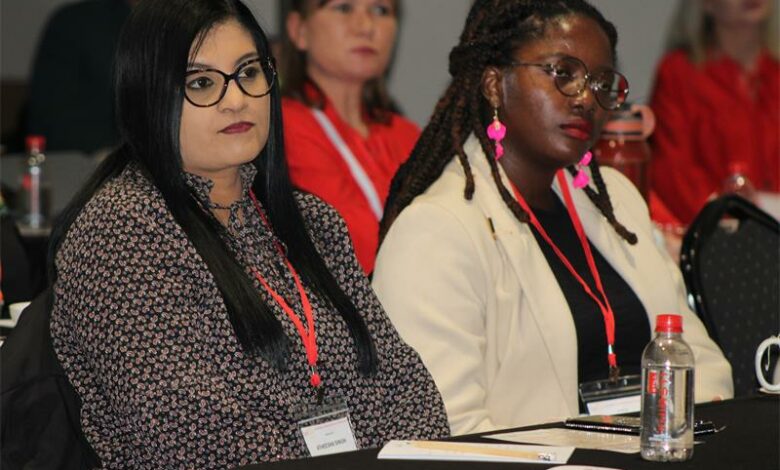
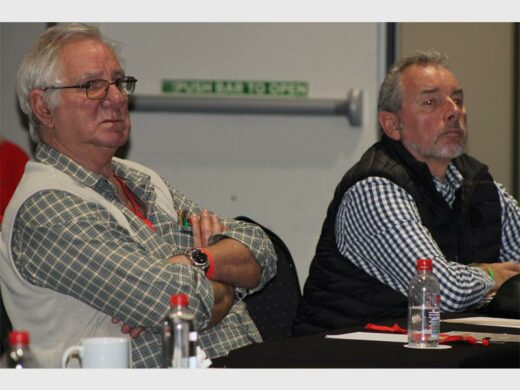
Companies and individuals gathered at the Radisson Hotel and Convention Centre recently for an awareness conference hosted by FoodFacts Laboratory.
The event focused on the bacterium Legionella pneumophila, which can be found in water.
Although not widely known, Legionella poses a high risk of respiratory infections similar to pneumonia. It causes Legionnaires’ disease, a serious illness, as well as Pontiac Fever, a less severe infection.
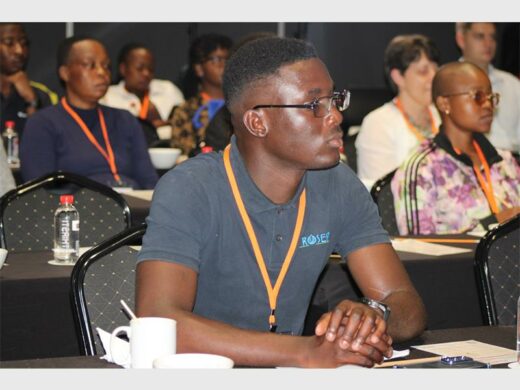
Photo by: Masego Mashilo
Tharia Binneman, a laboratory manager at the FoodFacts Laboratory, said Legionella is a Level 2 Notifiable Disease under the Occupational Health Act.
ALSO READ: Ekurhuleni health workers highlight HIV progress at SA AIDS Conference
Infection occurs through inhaling aerosols containing the bacteria, which can be present in hot tubs, fountains, swimming pools, cooling towers and misters in public areas.
“Attending the conference is crucial for professionals in the food industry and public health.
“Water is a critical ingredient and processing aid, and its microbiological safety directly affects product integrity and consumer health,” said Siphesihle Ngcebetsha, a public health and food safety consultant.
“This conference offered evidence-based insights on detection, control and public health implications of Legionella, helping us stay updated with best practices and protect clients effectively.”
The conference highlighted the importance of regular testing for Legionella, which traditionally takes 14 to 21 days. The FoodFacts Laboratory unveiled new technology that provides results within four hours, significantly reducing the risk of infection when detected and treated early.
Speakers at the event, including Professor Atheesha Singh (University of Johannesburg), Melissa McIntyre, Mathilde Fournials, Victor Bandaly and Steven Lea, shared expertise on detecting, testing and managing Legionella in various environments.
Singh discussed research conducted across SA, including urban areas like Hillbrow and Atteridgeville, and rural areas in Vhembe.
She explained that high surface-to-volume ratios in urban water systems, combined with corrosion and biofilm formation, increase the risk of contamination.
In rural areas, water storage practices and stagnation can also elevate risks, particularly among vulnerable populations.
McIntyre highlighted global trends, noting that in Europe, Australia and the USA, 10 to 15 cases of Legionnaires’ disease are detected per million people each year, with 75 to 80% of cases affecting people aged over 50 and 60 to 70% being male.
Hospitals and other large water systems, including cooling towers, are especially susceptible if not properly maintained.
Water treatment specialist Steven Lea added, “Legionella occurs naturally in rivers, lakes, reservoirs and water systems. Cooling towers, evaporative condensers, fluid coolers, and domestic hot-water systems operating below recommended temperatures are potential sources of the bacteria.”
ALSO READ: Funraider for Cansa held at Glendower Conference Centre
Chris Joubert, the director of the FoodFacts Laboratory, emphasised the urgent need for awareness, “Legionella is a serious issue that can be fatal within four days.
Many are unaware of the risks, so this conference aimed to educate companies on maintaining and treating water systems to keep employees and customers safe.”
The conference emphasised the importance of vigilance and effective water management across industries to reduce the risk of Legionella infection.