
Korsman Sanctuary is in good health
Korsmans is an oasis of natural beauty and an escape from the hustle and bustle of city living.
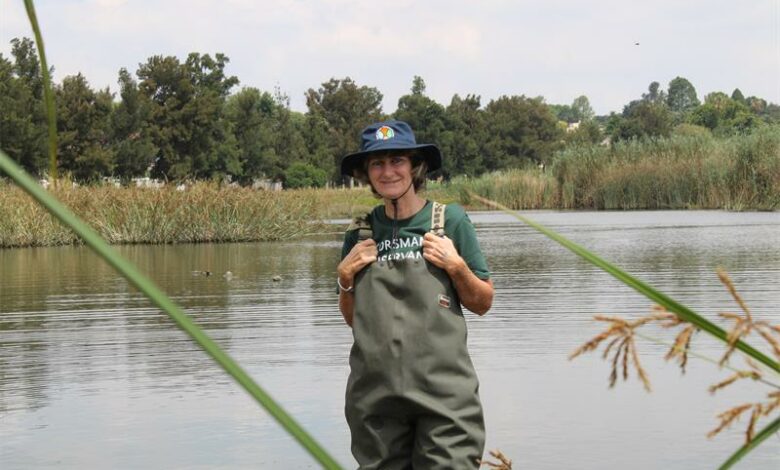
Above-average rainfall may have slightly hampered routine maintenance at the Korsman Bird Sanctuary in Westdene, but the wetland is flourishing.
Dressed in her customary waders and Wellington boots, chairperson of the Korsman Conservancy volunteer group Jane Trembath told the City Times that the pan did not fall victim to damaging storms and that essential repairs at the pump station have proven successful in addressing potentially devastating sewage spills.
Drawing on her extensive research about the pan, its unique biodiversity and history, Trembath said this season’s rain patterns affirm global discussions about global warming.
“Information gathered from the archives indicates seasonal rainfall recorded at the pan in 1908 averaged about 700mm. This summer alone, it has surpassed 800mm.
“This has resulted in extensive water drainage from the pump system to reduce the water levels, thus ensuring a balance between water and grassland habitats.”
Due to receding water levels, conservancy efforts will now return to normal, with the cutting of overgrown sedges at the top of the priority list.
With the pan being home to about 20 to 30 indigenous bird species, it is critically important to maintain the vegetation to provide adequate nesting space for shallow-water waders, mongooses, and other grassland-dwelling creatures.
Watching a pair of adult Malachite Kingfishers flutter among the towering reeds, Trembath said the annual Coordinated Waterbird Counts (CWAC) recorded a slight decrease in bird populations at the pan.
ALSO READ: ‘Crocs’ unwelcome at Korsman
“Although we have noted the decrease, we are not immediately concerned. Other pans indicated similar drops in bird populations, which could indicate that weather patterns may have prevented certain species from migrating.
“Mating pairs of Goliath Herons have left Korsman due to the rising water levels, which hampered their fishing abilities.
“We are confident that the normalisation of the levels, which reached a depth of 2.1m – an increase of 0.35m – will lure them back.”
Trembath confirmed that canoe patrols of the waters uncovered three small populations of invasive hyacinth.
“Hyacinth seeds could enter the water through transfer from birds’ feathers or feet. Thankfully, the populations were immediately removed after we discovered them,” she said.
“We are monitoring the situation closely, and any evidence of hyacinth will be removed and responsibly disposed of to keep our waters clear of contamination.”
For more information about the conservancy, its ongoing projects, and how you can get involved, visit www.korsmanconservancy.com
ALSO READ: Unattended water leak costs council and Korsman Bird Sanctuary dearly