
Know signs of school-related stress in children
School-related stress is real, and without support, it can affect a child’s well-being, confidence and academic performance. Recognising the signs early can make all the difference.
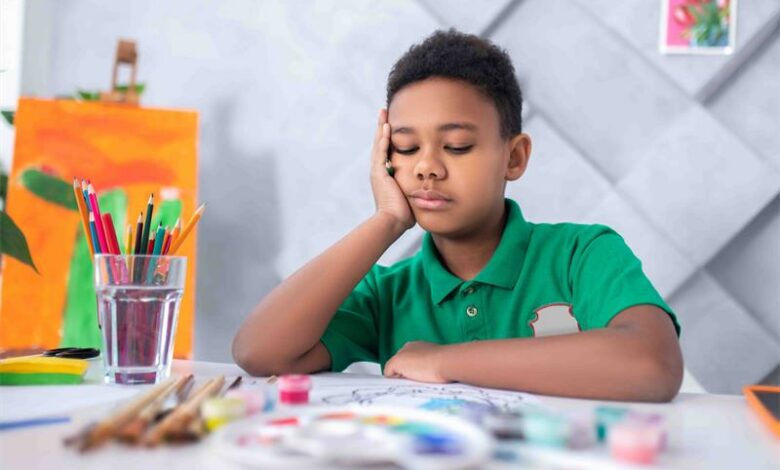
For many children, school is more than lessons and homework; it’s a place where emotional pressures quietly build.
As academic expectations rise and social dynamics become more complex, stress and anxiety are increasingly shaping how learners experience the classroom.
According to the World Health Organisation (WHO), mental health challenges among children and adolescents are increasing worldwide, with about one in seven young people affected by a diagnosable mental health condition.
Local estimates indicate that the rate may be even higher in some regions, with many of these difficulties linked to school pressure, bullying, exam stress and unstable home environments.
Stress affects young children and teens, yet the signs are often overlooked or mistaken for “normal growing pains.”
Recognising these early signals can help caregivers step in before stress becomes overwhelming.
“Children don’t always have the words to explain what they’re feeling,” says Murray Hewlett, the CEO of Affinity Health.
“That’s why adults must pay close attention to changes in behaviour, mood or routine. They are often the earliest warning signs that a child is struggling.”
How to spot school-related stress and when to seek help
• Behavioural changes: The first red flags
• Behavioural shifts are often the earliest sign that something isn’t right. These changes can look different depending on the child’s age.
In younger children (six-12):
• Sudden clinginess or separation anxiety;
• Avoiding school or making excuses not to go;
• Increased irritability or tantrums;
• Losing interest in activities they once enjoyed.
In teens (13-18):
• Withdrawing from family or friends;
• Sudden drop in motivation;
• Skipping school or avoiding certain classes;
• Spending excessive time online or isolated in their room.
Physical symptoms that don’t have a clear cause
School stress often shows up as physical symptoms, especially in children who struggle to express their feelings.
When the body is overwhelmed, it can react in ways that look like illness, such as frequent stomach aches, headaches, difficulty sleeping or nightmares, constant fatigue, or general body aches.
Many parents notice that their child feels “sick” on school mornings but seems fine over weekends, a strong indication that stress, rather than illness, could be the cause.
Emotional warning signs
Children under stress often feel emotions they can’t fully understand or express.
Signs to watch for include increased worry or fear, sudden crying or emotional outbursts, low self-esteem, negative self-talk, feeling overwhelmed by schoolwork and being overly sensitive to criticism.
Teens may show emotional stress differently, often through frustration, irritability, or anger. If your child frequently says things like “I can’t do this”, “School is too hard”, or “No one likes me”, it’s important not to dismiss it.
Changes in academic performance
A child dealing with stress may struggle to concentrate or remember information, rush through assignments, procrastinate, fall behind in class, or lose interest in subjects they previously enjoyed.
These changes are not always signs of laziness; instead, they can indicate mental overload, especially when school demands feel too heavy.
A sudden drop in marks is often a signal that your child is having difficulty coping.
Social problems
Social pressures are a significant source of anxiety for many children and teens.
They may be dealing with bullying (in person or online), friendship problems, peer pressure, or worries about fitting in.
Signs of social stress can include avoiding conversations about friends, not wanting to join group activities, spending breaks alone, or showing fear or reluctance about going to school.
Online bullying is prevalent among teens and can be hard for parents to detect unless they pay attention to sudden changes in behaviour.
Stress at home worsens school stress
Children also face stressors at home that can make school even more complicated to manage, such as disrupted routines, long travel times, financial or family pressures, or instability in their environment.
When home life feels uncertain, schoolwork becomes more overwhelming.
Younger children may become clingier or show behaviour regressions, while teens may withdraw emotionally or seem “shut down”.
ALSO READ: Help I am lost – helping a neurodivergent person in a stressful situation
How to help your child manage school-related stress
As early support makes a huge difference, you shouldn’t wait until things get worse.
Here’s what can help:
• Encourage your child to share feelings without fear of judgment;
• Consistent sleep, mealtimes and homework schedules reduce anxiety;
• Communicate with teachers and attend meetings and parent evenings;
• Balanced meals, daily movement and screen-time limits help regulate mood;
• Breathing exercises, journaling, or mindfulness techniques can reduce anxiety;
• If stress lasts more than two weeks or affects daily life, speak to a healthcare professional.
Health Professions Council of South Africa-registered counsellor Zandrie de Beer explains that parents should distinguish between short-term adjustment stress and long-term emotional distress in learners.
Adjustment stress typically follows a clear change, such as the start of a new academic year, and improves within a few weeks.
During this period, emotions tend to come and go, reactions remain proportional to the situation, and the child is generally still able to function effectively.
De Beer notes that this phase often resolves naturally when children feel reassured, emotionally acknowledged, and supported through increased connection.
She cautions that well-meaning parental responses can sometimes unintentionally intensify stress.
Rushing to fix problems, dismissing emotions, overprotecting, or removing all challenges may prolong distress rather than reduce it.
De Beer adds that a child’s temperament also influences how intensely they experience school-related stress, with more sensitive or perfectionistic children often needing additional support.
She emphasises that temperament is not destiny, and that resilience is strengthened when parents remain calm, validate emotions and model healthy emotional regulation, allowing children to adapt and build coping skills over time.
ALSO READ: WATCH: Kids Haven’s Pathways opens doors for vulnerable youth