Benoni Bygones: Steel giant rises in Benoni
The City Times is proud to revivea monthly history piece compiledby local history enthusiast GlynisCox Millett-Clay, which she has named Benoni Bygones.
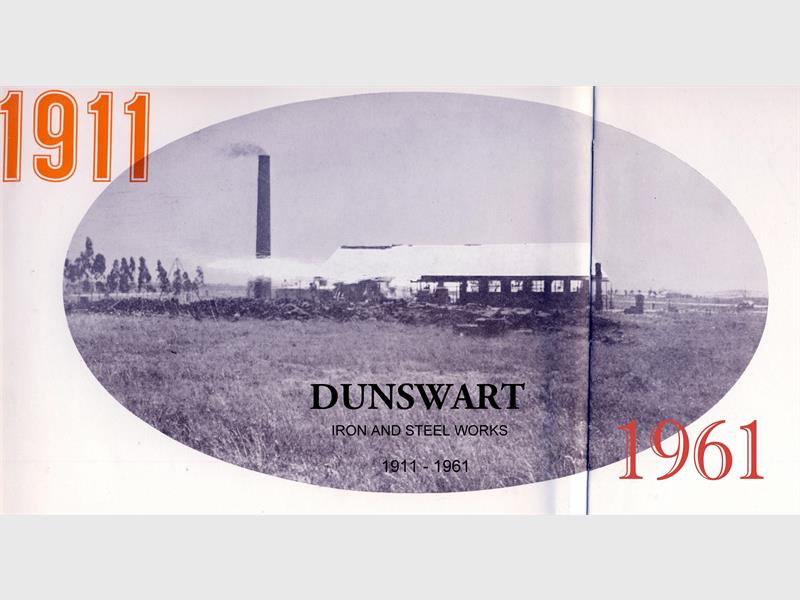
The first practical steps towards the creation of the South African steel industry, were taken by the establishment of the Union Iron and Steel Works, later to become known as Dunswart Iron and Steel Works, Limited.
This followed post Anglo-Boer War plans and experimental attempts to create a steel industry in the Transvaal.
Named in honor of the formation of the Union of South Africa, Union Iron and Steel Works was launched in Johannesburg on May 6, 1911, with a works site at Dunswart junction, near the small mining settlement of Benoni.
A year later, on April 15, 1912, the company executed its first order for rolled sections for the Village Deep Gold Mine.
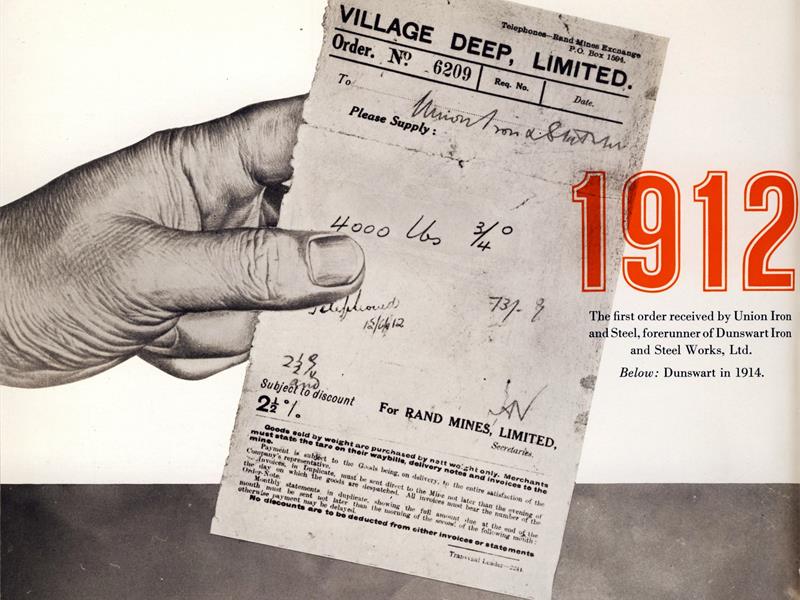
This historic sales document, still in the possession of the company, marks the start of an era fundamental to the sustenance and growth of industrial South Africa.
ALSO READ: Benoni Bygones: ‘Meating’ the demand in the early years of Benoni
On June 26, 1914, the name of the company was changed to Dunswart Iron and Steel Works, Limited.
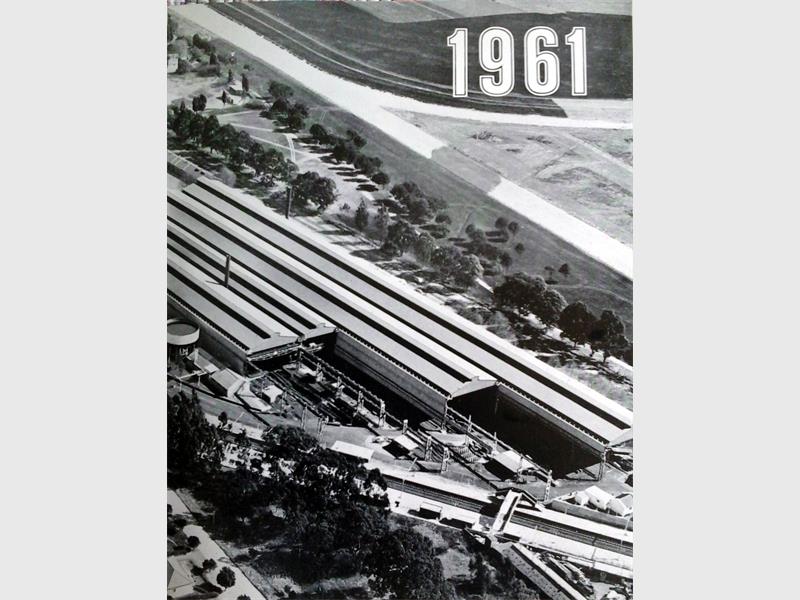
Since the start of operations, Dunswart Iron and Steel had progressed from its original workshop in the veld, a corrugated iron shed with steel frame, fitted out mostly with second-hand machinery, to the massive steel works of today.
Benoni was a five-year-old mining township with corrugated iron houses, a plentiful supply of pubs to attract miners from the encircling gold mines, one government school and a promise of a few public buildings and a regular water supply.
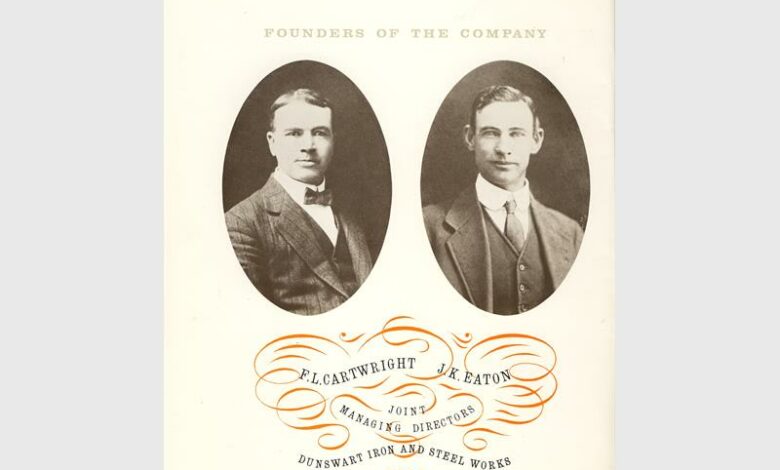
It boasted only a bakery, two printing shops, a plumbers and saddlers establishment, but no industrial undertakings whatsoever when two young engineers arrived to found what would eventually be Dunswart Iron & Steel Works, and thus set Benoni on the way to becoming one of South Africa’s most important manufacturing centres.
John Keyer Eaton, who had gained his engineering experience in the manufacturing shops that mushroomed on the Australian gold fields, and Frederick L Cartwright, from Kent, England had met and joined forces on the Witwatersrand as machinery merchants and brokers.
However, encouraged by the mines growing demand for plant and equipment, they embarked on their courageous and far-seeing venture to produce some of the iron and steel requirements of the province.
Later they were to supply all four provinces as well as markets across the Limpopo.
(Source: The book on Dunswart/typed by Glynis Cox Millett-Clay/June 20, 2014)

ALSO READ: Benoni Bygones: Synogogue is a proud landmark