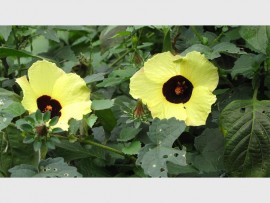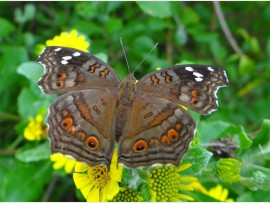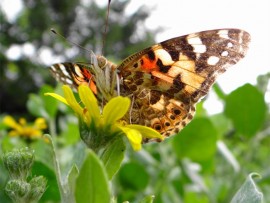
NESTLED among the residential properties in the leafy suburb of Glenwood are two environments which are perfect for birds, butterflies, wild flowers and small animals.
The reservoir site and Pigeon Valley Nature Reserve in Princess Alice Avenue are green lungs in the middle of suburbia, which have been kept ‘natural’, thanks to the dedicated work of the Friends of Pigeon Valley.
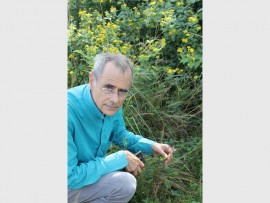
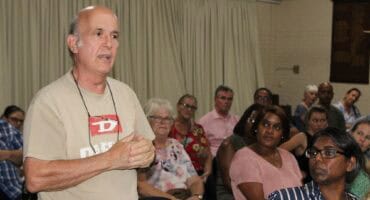
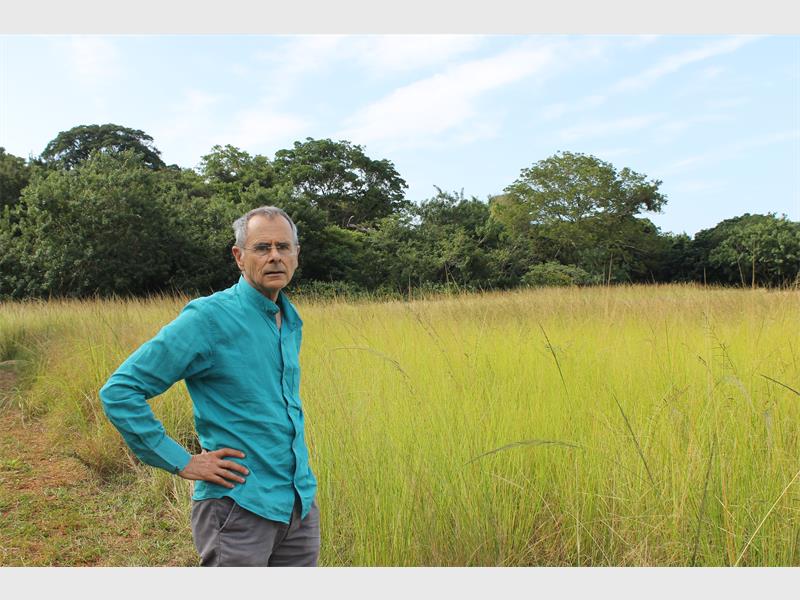
According to Crispin Hemson of Friends of Pigeon Valley, eThekwini’s Water and Sanitation were initially very resistant to a request by the environmental group that the city stop mowing the reservoir site to allow the natural grassland to flourish. However, after some persuasion, the city agreed to only mow the area around the ventilation shafts, and the rest was left to grow naturally.
“We encouraged Water and Sanitation to handle the area in a way which was sensitive to conservation. The result of their not mowing and having one burn, is that there is a very good diversity of grasses, plants, wildflowers and trees on the site. I applaud the department for sticking to what we agreed,” said Hemson
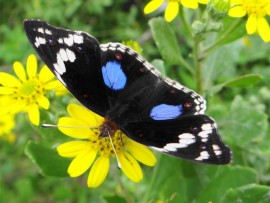
Hemson said an optimal balance had been achieved between Pigeon Valley’s coastal forest and the reservoir’s coastal grassland situated right next to each other. The area is full of butterflies and birds which are enjoying the richness of the grassland. He said from a conservation point of view it was ideal to have grassland right next to a forest as it was very productive for bird life.
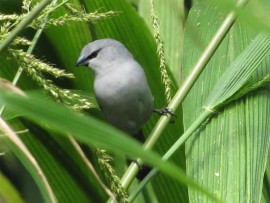
“We are noticing a greater range of bird life coming through to the reservoir and Pigeon Valley in Winter and Spring. Last year a pair of Zitting Cisticholas visited the area for the first time in 25 years. We have seen an European Nightjar, which is increasingly rare and virtually endangered, and the other day I saw an African Pygmy Kingfisher, which is beautiful and splendid to see. We have seen an increase in the number of seed eating birds in the past 18 months such as the beautiful Red Billed Fire Finches, which have never been seen in the reserve before. Others include Red Backed Manakins, which are not as common, and Grey Waxbills which are very beautiful and uncommon,” he said.
He said there were also large spotted genets all over the area, as well as three different types of mongooses.
“The Friends try to link in with the work of the municipality to ensure we get rid of alien plants which spread easily in the reserve, and employ a woman who works in alien clearing to try keep the area indigenous,” he said.
You can join the Friends of monthly walks at the reserve. To find out when the group will walk next, contact Crispin on hemsonc@gmail.com or 082 926 5333.