
UKZN PhD graduate shines spotlight on vehicle crime in Berea
Dr Luzipo’s PhD research uncovered the sophisticated tactics, technology and syndicate networks driving vehicle robberies and thefts in Berea.
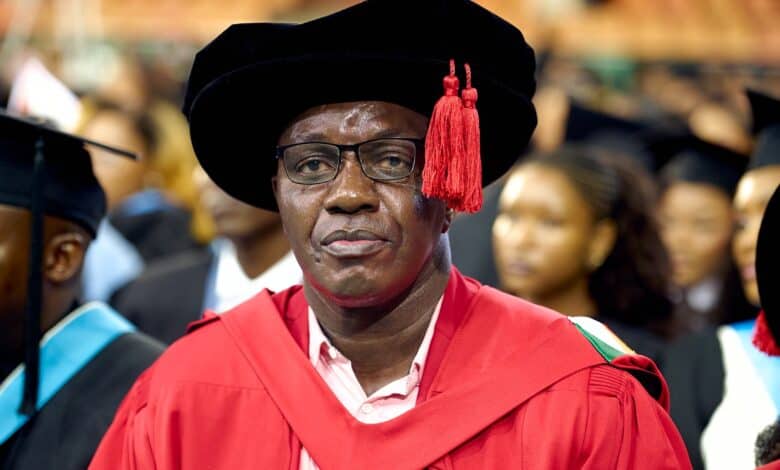
A DEEP-DIVE into the world of organised crime involving vehicle robberies and thefts in the Berea has earned Dr Lennox Luzipo his doctorate at UKZN.
His well-researched study titled ‘Organised Nature of Modus Operandi on Motor Vehicle Robberies and Thefts in Berea, Durban’, earned Luzipo a seat at the institution’s Autumn Graduation on Wednesday (May 6) at the Westville campus.
A proud Luzipo worked hard to earn his degree by researching and interviewing 10 incarcerated offenders at six KZN Correctional Services centres, including the notorious Kokstad C-Max. His PhD study shone the spotlight on rampant crime in Berea and how offenders are not using a single, uniform approach when targeting motor vehicles.
“Offenders tend to adapt to increased vehicle security; while measures such as alarms and immobilisers reduce basic theft, they have led to more violent crimes,” said Luzipo.
Also Read: UKZN celebrates high-achieving class at autumn graduations
“Using counter-technologies such as reprogrammed key fobs, offenders have responded by demonstrating how criminal methods evolve alongside prevention strategies.”
They are also employing highly calculated, victim-specific strategies that differ drastically, depending on the target’s nationality. Beyond tactics on the ground, Luzipo’s research revealed two themes: the manipulation of technology for ill use, and a deeper level of organisation within criminal syndicates involving law enforcement structures.
Luzipo’s study also found that syndicates systematically transform police officers from “capable guardians” into criminal informants, using calculated, trust-building strategies to gain access to sensitive information.
These crimes often involve a sophisticated, multi-staged operation where victims are lured and trapped using fake police vehicles, followed by intense digital psychological warfare, including threats designed to force compliance. “This allows offenders to control the very entity meant to stop them,” said Luzipo.
Also Read: UKZN engineer appointed to SA Council for Space Affairs
For most victims, this often involves what he describes as “aggressive, physical confrontations, such as stalking and boxing in the victim’s car to force a stop,” reflecting opportunistic conditions in everyday traffic.
To combat this crime, Luzipo recommends stronger collaboration between police and communities, public awareness campaigns, enhanced law enforcement training and the use of technology to improve vehicle security.
“By addressing the root causes of these crimes and fostering a collaborative approach among all stakeholders, it is possible to enhance public safety and contribute to a broader understanding of organised crime dynamics in South Africa,” said Luzipo.
For more from Berea Mail, follow us on Facebook, X and Instagram. You can also check out our videos on our YouTube channel or follow us on TikTok.
Click to subscribe to our newsletter – here