
eThekwini vows reforms after soup kitchen hygiene allegations
eThekwini has announced plans to upgrade soup kitchens and strengthen food safety measures across its feeding scheme.
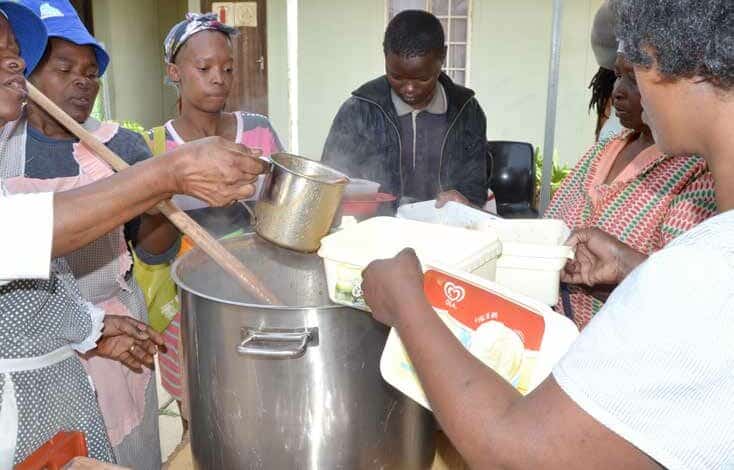
THE eThekwini Municipality has come out in defence of its Soup Kitchen Programme which has come under fire for its operational costs and food safety and hygiene standards.
This follows a viral video showing rats running about at some of the 94 sites run by the municipality and allegations of recipients being fed sub-standard food cooked in pots washed in a container that doubles as a lavatory.
All of this allegedly at a cost of R240m, which the City has disputed, saying that the annual operating budget is “R141m towards groceries, bread, gas, and stipends, in addition to R3.1m in capital funding”.
Following the Carte Blanche TV expose on Sunday into the feeding scheme that has 32 900 beneficiaries daily, eThekwini said they are “acting with urgency and resolve to safeguard the integrity” of their soup kitchens.
Also Read: Morningside foundation supports soup kitchen
Municipal spokesperson Mandla Nsele said the City is aware of “the recent negative and unfounded portrayal of soup kitchens” and wanted to correct the false narrative.
“Food samples are tested regularly to mitigate risks of food poisoning, ensuring safety and dignity for those served,” said Nsele.
He said a rising demand for the service has increased the heat on the soup kitchens’ volunteers who are under immense pressure to serve a large amount of food throughout the sites, which include large steel containers, Sizakala Centre and mobiles.
“The facilities not designed for large-scale food service create logistical challenges. Rising food and fuel costs are straining operations,” said Nsele. “The municipality is exploring collaborations with businesses, NGOs, and faith-based organisations to expand food supply.”
Also Read: Urban garden seeks to bring hope
Concerned about the negativity surrounding the programme possibly discouraging donors and volunteers, the City said that public campaigns are underway to encourage donations and volunteerism.
“Soup kitchens are transitioning from steel containers to park homes, with long-term plans for brick-and-mortar facilities. These park homes will be fully fitted with ablution facilities, ensuring beneficiaries are served in decent, hygienic environments,” said Nsele.
He added, “Agreements with local farmers and the Agro-Ecology Directorate are imminent to reduce costs and diversify suppliers. A refresher course on food handling will be rolled out across all soup kitchens to reinforce best practices in hygiene, safety, and nutrition.”
For more from Berea Mail, follow us on Facebook, X and Instagram. You can also check out our videos on our YouTube channel or follow us on TikTok.
Click to subscribe to our newsletter – here