
Tips and pitfalls of reporting sexual offences to the police
Reporting a sexual offence is a difficult process, both emotionally and logistically, but there is no reason it should be.
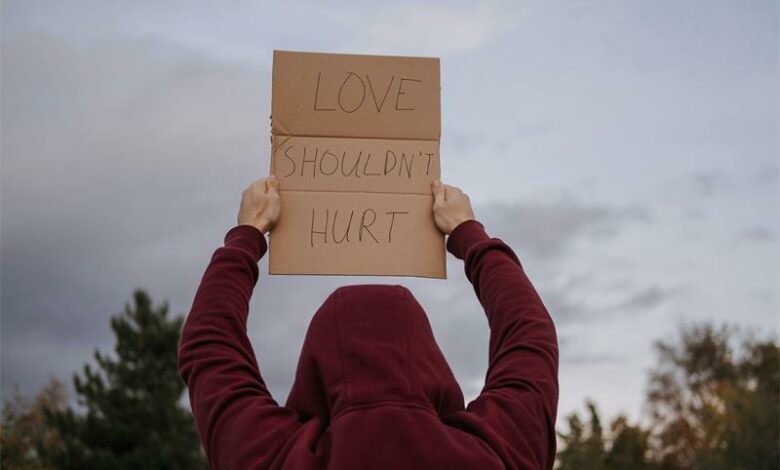
On the Facebook page of the Department of Justice and Constitutional Development, a handy guide can be found for reporting a sexual offence to the police, but some say it’s not that easy.
The DOJ guide
The guide is simple, with a couple of steps and instructions. A victim goes to the police or Thuthuzela Care Centre, which is typically found at hospitals, and makes a report.
It’s recommended to have support present, and to give as detailed a statement as possible to the police. It is possible to later change your statement, according to the post.
After making a report, a victim gets a case number to use for updates on the investigation. To receive these updates, they will need to provide an address, cell number and other contact information, which they need to update if it changes before the case concludes.
Victims can request a medical examination to collect evidence of the offense, and the results of this examination will be included in the case docket and used as evidence in court.
The difficulties
It sounds simple enough, but according to Drummond Doig, who is member of the management of AfriForum Brakpan, a medical first responder, chaplain and community leader, it’s often much harder.
While working relationships with higher-ups in the Brakpan SAPS station are good, dealing with some of the front line police officers is often frustrating.
Vispol commander Colonel Robert Makopo said after the SAPS stakeholders meeting on June 25 at the State Mine’s Country Club, that these officers are required to take a statement.
Unless the victim or complainant is intoxicated, in which case their statement is inadmissible in court, there should be no reason for officers to not open a case docket and take a victim’s statement.
ALSO CHECK: Brakpan inwoner sterf dekades ná oophartoperasie deur dr Chris Barnard
Doig is often called upon to assist a victim of assault with opening a case because it is claimed the police and hospitals often make the process very difficult and not victim friendly. This further traumatises the victim. Victims then choose to rather walk away instead of trying to get justice.
“Victims get to the police where they often face hostility or apathy, then they’re directed to the hospital who also show apathy, and then the hospital sends them back to the police,” he explained.
The process of making a report seems to be a constant passing of the buck, as no one actually wants to open the case docket.
“Whether it’s because they claim that the courts usually just throw the cases out, or opening a case before the end of their shift seems like too much effort, the charge office personnel often seem hesitant to open cases,” Doig said.
“The law, as it’s written, works perfectly, the problem is making sure it gets correctly implemented. If the victim is lucky they get to see the right doctor at the hospital or the right police officer at the station,” he said.
“Victim centres, as they are, are practically not working, and they need to become more professionally functional.”
A specific frustration noted is that charge officers send victims of violence away to obtain a J88 form completed at a state hospital, but when victims get to the hospital, they are told they need a case number before a J88 can be completed.
The police then allegedly say they cannot open a case without the J88.
“This is incorrect as an assault or sexual crime does not need a J88 to be completed before a case is registered and a docket opened,” Doig explains. The J88 can be added to the docket at a later stage.
ALSO CHECK: Schools and shops shut down in multi-agency blitz on health and legal compliance
A J88 is a report by an authorised medical practitioner upon the completion of a medico-legal examination. This document states that a doctor or other authorised practitioner did a medical examination for legal purposes, and what injuries were observed.
This form is used as evidence in court, but only if it’s handled correctly. According to Doig, the original completed J88 can never be in the victim’s possession, as it then becomes inadmissible.
The form needs to be completed by an authorised practitioner, and then directly handed over to the investigating officer of the case with no breaks in the chain of evidence.
The Gauteng Department of Health has a similar guide in a brochure about Clinical Forensic Medical Services and gender-based violence. A victim of a sexual offence can go to either the SAPS, or a healthcare facility.
The Department of Health guide
If the victim goes to the police first, they will take their statement and should then provide safe transport to a medical facility which offers sexual offense services.
If they go to the health facility first, and the facility does not provide these services, they will be transferred to a facility that does.
In both cases, a victim will then be moved to a private, designated room, where a care provider will take a medical history, examine the patient and fill in a J88 form, and provide counseling.
If a victim needs to be referred to a different department for further care, this will take place, but not before the police are brought in to take the victim’s statement should they choose to press charges.
Reporting a sexual offence is mandatory in the case of the elderly and children under 18, but competent and able adults do not need to make a report to the police if they do not wish to.
If the victim chooses to make a report, the police will then take the J88 and a sex offense kit into evidence, and if necessary transport the victim home or to a place of safety.
ALSO CHECK: Family and community to gather for candlelight vigil to honour young fire victim
What the courts say
The National Prosecuting Authority (NPA) local representative, Advocate Dick Hattingh, also notes a frequent occurrence of victims going home after an assault and changing their clothes and showering.
Critical evidence is lost when this happens, and in a flyer distributed by the NPA during GBVF outreach activities, it’s stated specifically to not take a shower or wash your clothes after a rape or sexual assault.
They advise victims to go directly to the SAPS or a state hospital after the offence has occurred, to ensure the proper evidence is collected and a case can be opened as soon as possible.
What the police say
According to Constable Audrey Buthelezi, Brakpan SAPS Sector 1 manager and corporate communications officer, sexual offences include any form of unwanted or non-consensual contact or behaviour.
This includes rape, non-penetrating sexual assault, grooming (the act of manipulating someone, often a minor, into committing sexual acts), incest and coercive rape (the act of persuading someone to consent to sexual activities that they did not initially consent to).
“People should know that being forced to do something against your will through violence, coercion, threats, deception, cultural expectations, or even economic means is wrong,” she said, and stated that it is punishable under South African law, under the Sexual Offences and Related Matters Amendment Act no. 32 of 2007.
Victims or witnesses of such acts can report them to their nearest police station by calling 08600 10111 or report it anonymously on the My SAPS App. Reports can also be sent to the GBV helpline, on 0800 150 150, or the GBV national command centre on 0800 428 428.
Buthelezi also notes that victims should not bathe or change their appearance, and should seek medical assistance immediately.
“Remember that what happened to you is not your fault,” she says.
She also notes that there is no time limit to report GBV and sexual offences, and that no SAPS member should refuse to register a case of GBV or sexual offences.
Reach out
Have you had trouble reporting a sexual offence to the police? Reach out with your story. All sources will be kept anonymous upon request and protected. Send an email to charmadp@caxton.co.za