


Both systems are offline, with no payments reflecting for two weeks …
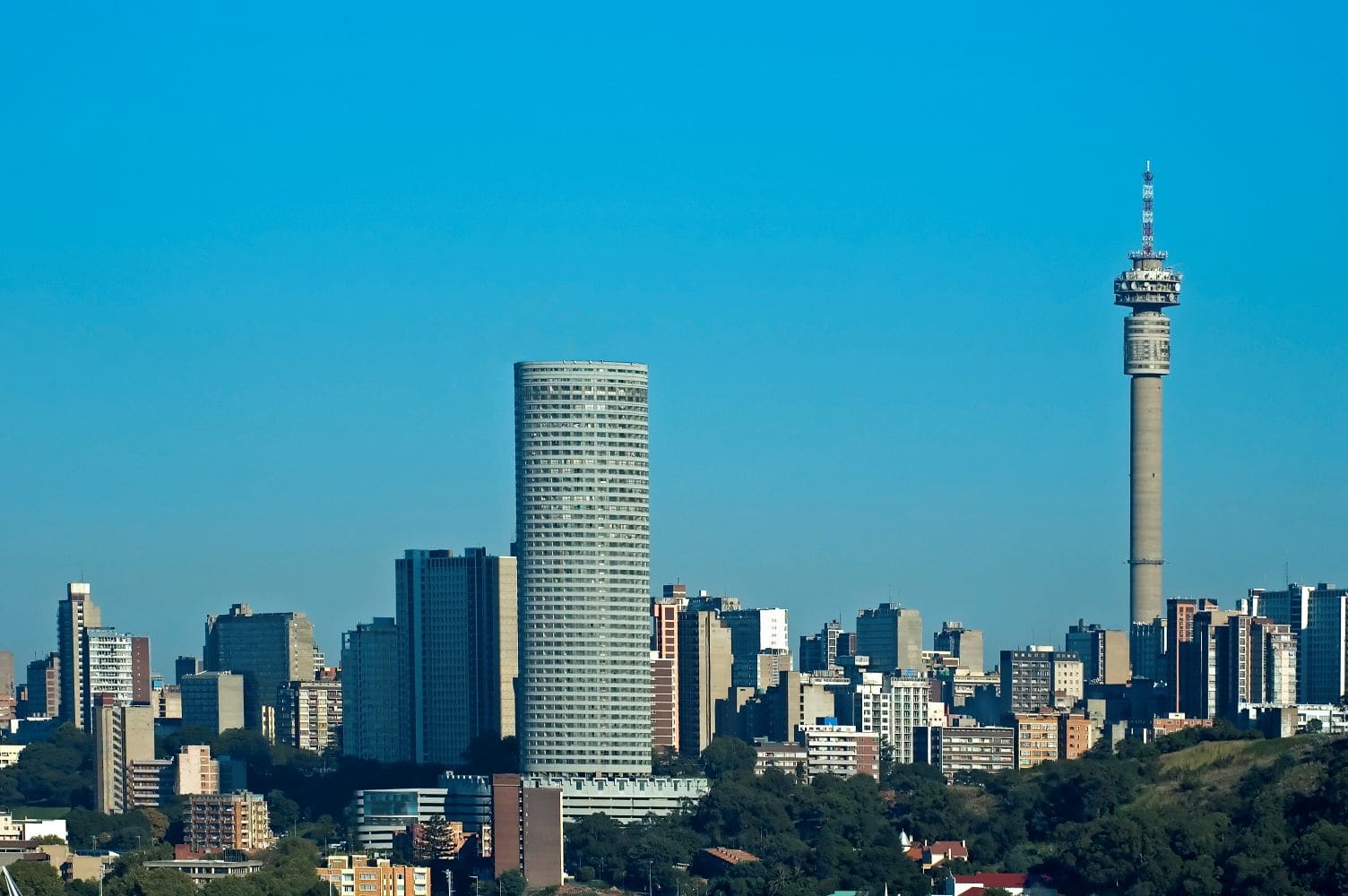
The e-Joburg portal is currently showing zero payments on any statements for the past two years. Picture: iStock


The City of Johannesburg’s two core billing systems are offline, and its customer services centres stopped accepting payments on Monday (2 February).
It is understood that all payments made in the past two weeks (since 19 January) are not reflecting on the city’s systems or its self-service e-Joburg portal.
The systems, one that manages billing and the other, Venus, which accepts payments, are part of the city’s sprawling SAP enterprise resource planning (ERP) system.
Ward 117 Councillor Tim Truluck says both systems are “completely down”.
Payments can still be made via online banking or banking apps as well as through EasyPay at supermarket tills (including Shoprite Checkers and Pick n Pay) across the country.
Truluck suggests that residents and businesses keep all proof of payments, should they be necessary down the line.
The city’s e-Joburg portal shows zero payments on any statements for the past two years and no payments at all under any account’s payment history.
ALSO READ: Councillors and officials owe Gauteng municipalities R165.7m, Joburg tops the list
Given this, it appears as if the interface between the two systems is broken, meaning that all receipts in the payment system are not synchronised with the billing engine.
A source who is familiar with ERP implementations suggests that the systems have been taken offline to avoid inaccurate penalties and/or interest being automatically charged on accounts in early February for ‘missed’ payments.
Considering the scale of the problem – it affects more than 1.5 million accounts – this will likely take some time to fix.
CoJ will have to reconcile all historical payments as well as those made since 19 January. Only then will customers have a more accurate view of their standing.
It is almost certain that this systems issue will cause a delay in February’s municipal bills. Truluck says that if bills aren’t issued by the middle of this month, residents should pay their “average bill plus 5%”.
However, this can be tricky given that consumption charges for electricity and water tend to fluctuate a fair amount from month to month. This problem is exacerbated for larger, commercial users.
ALSO READ: Joburg firewall payment failure a threat to residents’ data and services, says DA
More than a year since the city’s SAP upgrade …
A botched upgrade of the city’s SAP system in December 2024 and January 2025 saw many core city services unavailable for more than two weeks.
At the time, it said the “City of Johannesburg’s Group Information and Communication Technology (GICT) Department is set to embark on a significant upgrade of its SAP System”.
“This upgrade is essential for stabilising the City’s enterprise resource planning (ERP) system and enhanc[ing] the overall efficiency of services rendered to our valued customers. The primary objectives of this upgrade include improving the quality of municipal bills and the reliance on meter reading estimations, thereby enhancing customer experience and service delivery.”
By the planned date of completion (6 January 2025), the upgrade had not been finalised and the city’s SAP systems remained offline for a number of days thereafter. This saw a delay in January billing.
ALSO READ: CoJ criticised in another billing dispute judgment
Other services?
It is not known whether other city systems running on SAP are affected.
These include, but are not limited to, applications for new services/connections, issuing of clearance certificates, refund requests, the opening of new accounts and the registration/transfer of properties.
Given the severity of the issue, it is likely that most services are currently unavailable.
The issue also means the city will have to pause its disconnections of services to residents and businesses that have unpaid bills as it simply has no way of accurately confirming any amounts owing.
Under Project Lokisa, Joburg has been intensifying its revenue collection efforts through high-profile ‘disconnection drives’ in recent months.
In October, it targeted 20 “chronic” defaulting accounts, primarily industrial and commercial consumers, who owed a total of R100 million to City Power and Johannesburg Water.
The city did not respond to a request for comment, or detailed questions.
This article was republished from Moneyweb. Read the original here.
Support Local Journalism
Add The Citizen as a Preferred Source on Google and follow us on Google News to see more of our trusted reporting in Google News and Top Stories.

