


The informal economy is becoming the shock absorber for what is happening in the formal economy
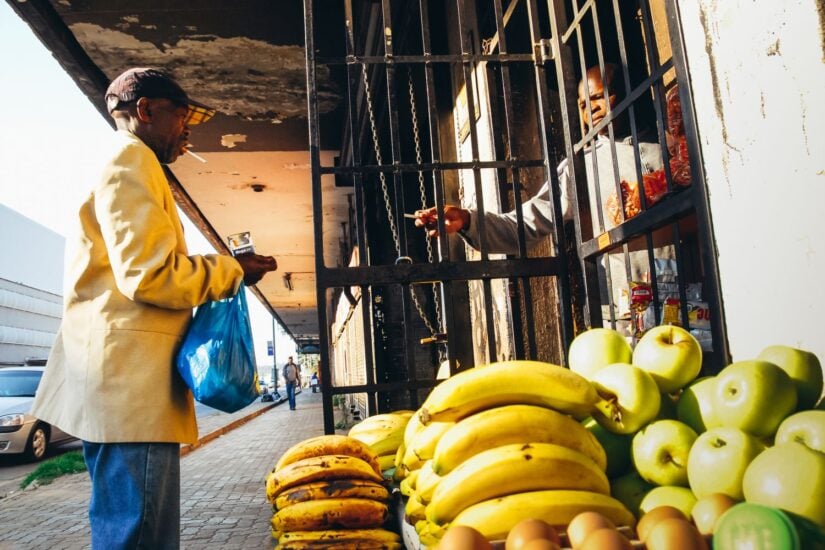
For illustrative purposes. Picture: iStock


As formal-sector employment comes under pressure, South Africa’s informal economy is increasingly emerging as more than a temporary safety net for the unemployed.
With thousands of jobs lost in the formal sector in the second quarter, more South Africans, particularly young people, are turning to informal businesses and trade for income, according to Annelene Dippenaar, chief business officer at Shop2Shop.
This raises a bigger question: is the informal economy becoming the answer to the country’s unemployment crisis?
Informal economy absorbs unemployed youth
Dippenaar told The Citizen that the informal economy is becoming the shock absorber for what is happening in the formal economy.
“In the second quarter, formal sector employment fell by 41 000 jobs while informal sector employment rose by 34 000, and trade was the single largest industry gainer, adding 70 000 jobs. When formal hiring contracts, people don’t stop needing income; they start to hustle either by starting a business or becoming informally employed.”
Shop2Shop is a financial technology platform and digital ecosystem designed for small, informal and spaza shop businesses.
She said the company has seen more of the youth starting businesses in the informal economy. Reaffirming the belief that trading is no longer a bridge to a formal job; it is becoming the job.
Entrepreneurial skills needed within informal economy
She said the most successful entrepreneurs in the informal economy have entrepreneurial skills such as inventory management, demand forecasting, working-capital management, credit management, pricing, procurement and relationship-building.
“Ask a spaza owner what their stock turn is, and they will tell you, per line, without looking at a spreadsheet. They know how much stock they need to buy for what day of the week, and how it differs from month to month. They do treasury management, inventory management and credit, without a system.
“The trader knows how to offer competitive pricing to an extremely price-elastic customer; forecasting specific product demand without data spreadsheets; managing working capital on a 24-hour cycle; building buying power through stokvels and informal buying groups; and running customer relationships that are genuinely relational rather than transactional.”
Barriers limiting growth
Dippenaar highlighted that the costs of digital payments are one of the barriers limiting growth of businesses in the informal sector.
The South African Reserve Bank (Sarb), through its Payments Ecosystem Modernisation (PEM) Programme, aims to reduce the costs of transactions, which Dippenaar believes will go a long way to support better adoption of digital payments by the small entrepreneur who operates on razor-thin margins.
Another barrier she mentioned is working capital on the wrong terms. “Informal retail needs small amounts over days, not large amounts over months. Most financial products on offer to these businesses are built for formal business.”
“Compliance burden [is another barrier]. Municipal by-laws, permits, zoning and registration processes are not practical or fit for purpose, and that is further disproportionate to a business turning over a few thousand rand a week. Proportionate, fit-for-purpose requirements that are implementable will ensure businesses who want to register can actually do so.”
Consumer spending habits
Touching on how consumer spending habits are affecting informal traders, she said households buy for today rather than for the week or the month. That makes trade more complex: a trader needs more stock turns to earn the same rand and gets the working capital back in smaller amounts.
“Second, consumer income is generally paid digitally, while consumers will transact in cash or digital, depending on what is purchased. For example, airtime and electricity are generally paid in cash, while food and groceries are paid for digitally.
“This means the trader needs to manage cash and digital payments and balance the expenses that are paid in cash or digitally to ensure that transaction costs remain low, while optimising the working capital availability.
“Thirdly, the margin has moved. A trader selling only groceries competes on price against formal retail with better buying power.”



