


Look at the bank account, says mayor.
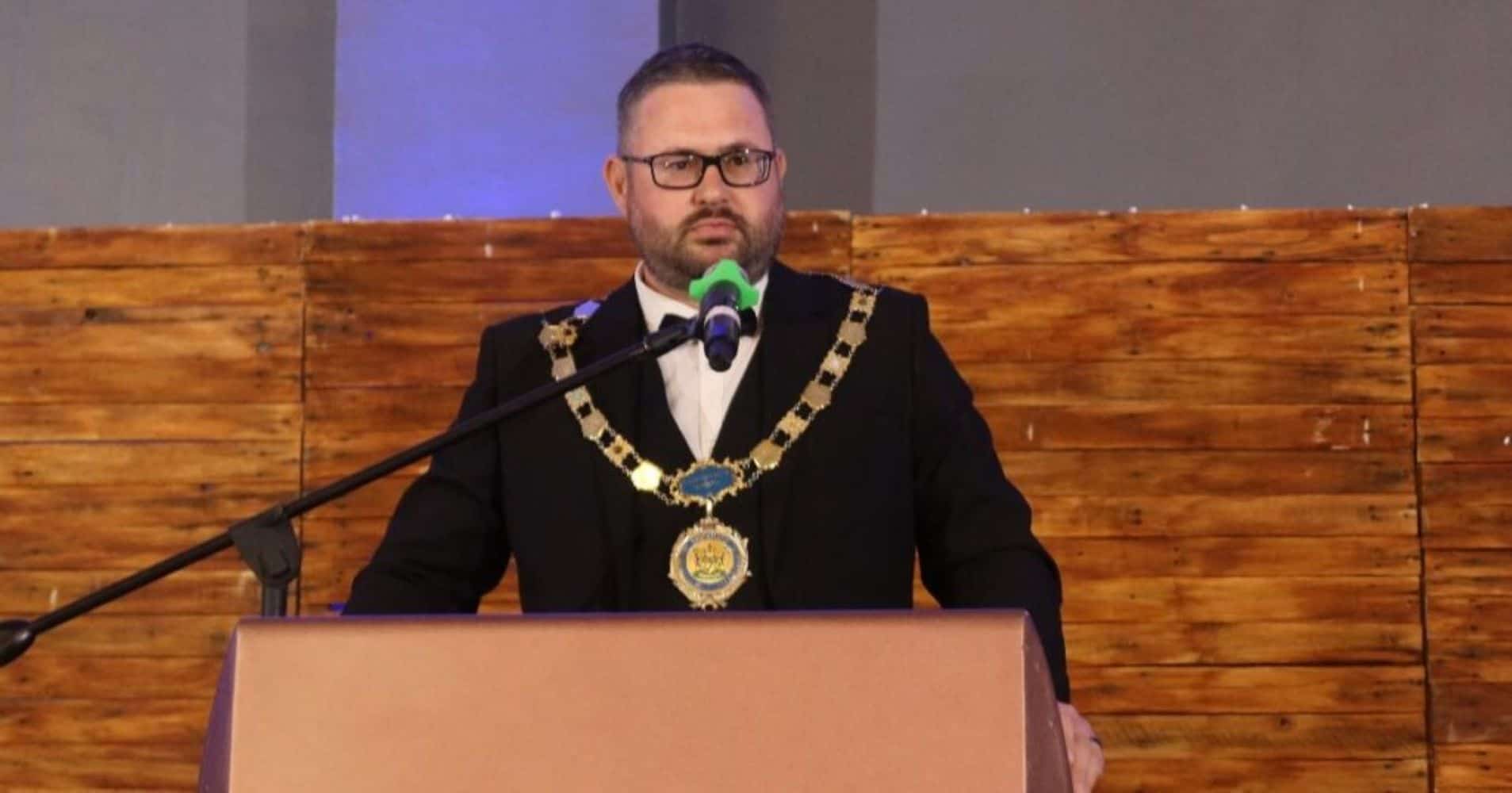
Rodney Kritzinger, mayor of the Nama Khoi Local Municipality, says he does not understand the position National Treasury has taken. Picture via DA website


National Treasury has finally responded to an accusation by the leadership of the Nama Khoi Local Municipality, based in Springbok in the Northern Cape, of bullying tactics and failing to consider the positive results of its contract with the family-owned business Rural Maintenance.
Treasury wants the contract, which it maintains is unlawful, cancelled.
Moneyweb recently reported on the 15-year development partnership agreement between Nama Khoi and Rural Maintenance aimed at enhancing water and electricity revenue collection.
Up to the end of October, the reduced expenses and improved revenue resulting from the company’s efforts had delivered a financial benefit (positive delta) of R76 million, Rural CEO Chris Bosch said under oath.
The company has invested R47 million of its own money in network improvements and is entitled to 12% of water and electricity revenue – provided there is enough in the positive delta to make the payment.
ALSO READ: Treasury accused of bullying successful Springbok power partnership
Treasury’s position
National Treasury has threatened to withhold government funding from Nama Khoi, which would financially cripple the municipality, and lay criminal charges against officials and politicians in relation to the contract.
It further considers all payments made in terms of the contract as irregular expenditure.
The municipality insists it followed all the legal prescripts, but has, on instruction from Treasury, embarked on an investigation through its municipal public accounts committee and is currently withholding payments to Rural Maintenance.
At the time our previous article was published, National Treasury had not responded to Moneyweb’s request for comment. After a week it however reverted, pointing to the Municipal Finance Management Act (MFMA), which sets norms and standards for managing municipal finances.
“As part of our oversight responsibility, we monitor whether municipalities have complied with relevant supply chain management (SCM) procedures and conducted adequate due diligence to ensure that appointments of service providers and the spending of public funds are fair, transparent, and cost-effective,” it said.
“Any expenditure resulting from contracts awarded outside the scope of applicable legislative prescripts are regarded as irregular in terms of the applicable legislation.”
ALSO READ: The South African towns where electricity supply is privatised
Section 71 reports
It refers Moneyweb to the reports on local government revenue and expenditure that National Treasury publishes quarterly in terms of Section 71 of the MFMA, adding: “The improved performance by Nama Khoi Municipality referred to in your query can not be substantiated by the Section 71 financial reports …”
It adds that the “National Treasury does not endorse or approve any specific systems or service providers in the market”.
“Our role is to ensure that municipalities implement the financial governance measures prescribed by law.”
Nama Khoi speaker Dr Gustav Bock, who was the main driving force behind the project, however, points out that the Section 71 reports are not a true reflection of the municipality’s finances, and “it hasn’t been a true reflection since I came here [as part of the executive] in 2021”.
This, he says, has nothing to do with Rural Maintenance, but everything to do with another service provider responsible for compiling the reports, but has been unable to do so credibly.
Rodney Kritzinger, the mayor of Nama Khoi, confirms this and says he has put his foot down and refused to sign the reports for the last four months, as has the chief financial officer.
Bock says National Treasury is well aware of the problem with the reports. “We have even moved to an upgraded programme of the supplier with the support of National Treasury, but the problem persists. Even the R140 million debt write-off we got from Eskom [thanks to its compliance with National Treasury’s debt relief programme] does not yet reflect.”
ALSO READ: Free State town forced to dump excess solar power ‘to protect the national electricity network’
Auditor-General ‘dragged in’
Kritzinger says he does not understand the position National Treasury has taken.
“They even tried to drag the Auditor-General [AG] in,” he notes.
He adds that the AG’s office put the Rural contract under a microscope during the audit of the financial year ended 30 June, but nevertheless gave Nama Khoi its second unqualified audit in a row.
Kritzinger says the positive outcomes of the Rural contract are clear from the municipality’s bank account and “our ability to fulfil our obligations”.
In previous years, Nama Khoi did not have enough cash to pay Eskom, especially during the winter months when the tariffs are higher. It had to use its equitable share from government or an overdraft facility from the bank.
This year, for the first time, there was enough money in the bank to pay Eskom and the bulk water supplier Vaal Central Water – in full.
Echoing Kritzinger, Bosch says the situation is very simple: “Look at the bank statements.”
Rural has now served Nama Khoi with court papers after the municipality refused to pay its invoices to the value of almost R12 million, and the two parties will see each other in the high court in Kimberley, where the matter is on the urgent roll for 11 December.
This article was republished from Moneyweb. Read the original here.
Support Local Journalism
Add The Citizen as a Preferred Source on Google and follow us on Google News to see more of our trusted reporting in Google News and Top Stories.

