Elspark residents demand action over years-long ‘rotten egg’ stench
Despite the City of Ekurhuleni’s environmental progress reports, Elspark residents continue to suffer from a persistent sulphuric odour they say affects their health and property.
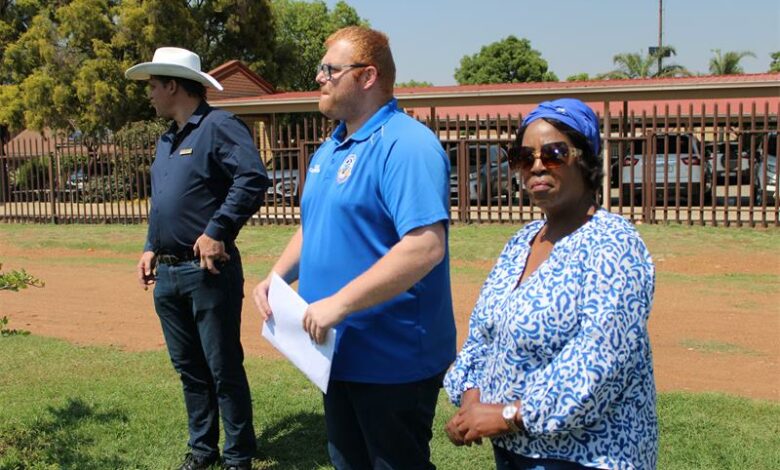
The CoE showcased its achievements at the 15th annual World Environmental Health Day Conference from September 25 to 26.
However, Germiston residents said their experiences tell a different story.
For nearly six years, residents of Elspark and surrounding areas have endured an unbearable stench that fills the air daily, a smell they describe as “sulphuric” or “like rotten eggs”.
Despite numerous complaints to the CoE, the situation remains unresolved, leaving many residents frustrated and questioning the city’s recent claims of progress in air quality management.
ALSO READ: City of Ekurhuleni distances itself from fake social media post
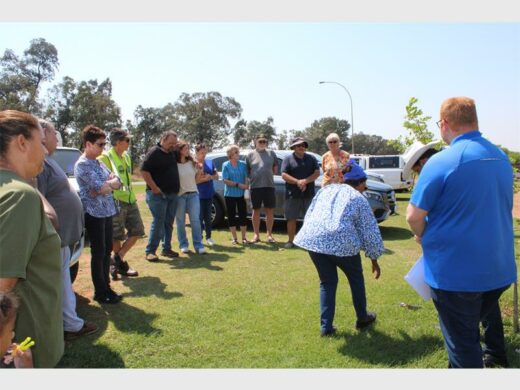
On October 12, Ward 92 Clr Guerreiro Kade and PR councillor Sally Nene held a meeting with Elspark residents and the School of Achievement.
The school said its learners and staff are being affected, with concerns raised about children being exposed to poor air quality during school hours. They are especially worried about children with asthma and sinus problems.
The school has already received complaints from parents stating that their children are constantly sick.
“Every morning and evening, the smell is unbearable. It seeps into our homes and affects our children.
“We can’t enjoy food and our homes because of the constant smell, even if you close the windows; it’s that strong,” said one resident.
ALSO READ: City of Ekurhuleni leads in air quality management and public health initiatives
Residents said they have reported the matter many times, but nothing has changed. Previously, the stench was at its worst only on hot summer days, but now it lingers throughout the year.
Many believe property values have dropped because potential home buyers are unwilling to inherit the problem.
In its conference presentation, the CoE reported advancements in air quality monitoring, including:
• digitalising industrial emissions reporting to improve transparency and operational efficiency;
• surpassing 84% of food premises holding certificates of acceptability.
• deploying 160 rodent control assistants to protect public health and reduce vector-borne diseases.
The CoE further stated it “has a dedicated team that monitors air quality daily to safeguard the health of the community,” emphasising its commitment to creating a cleaner and healthier environment.
However, for Elspark residents, these claims do not reflect reality. They argue that despite reporting the persistent foul odour for years, believed to stem from nearby waste-related activities, little has been done to investigate or resolve the issue.
ALSO READ: Residents urged to save water as City of Ekurhuleni keeps usage low
Residents are calling on the city to prioritise the Elspark air pollution problem, thoroughly investigate and be transparent about the findings.
They also want real-time air quality data for the area to ensure monitoring is taking place.
The Germiston City News spoke to Wildlife and Environment Society of South Africa member Talfryn Harris, who said this longstanding problem needs urgent attention because hydrogen sulphide (colourless, flammable gas smelling ike rotten eggs) can pose serious health risks.
“Prolonged exposure can desensitise the sense of smell, so people may not be aware they are being exposed. It is deadly in high concentrations.
“It depresses respiration and even at relatively low concentrations, can cause burning eyes and dermatitis. Children are more severely affected than adults. The impact on the School of Achievement should be of great concern,” Harris said.
He said that if the CoE’s air pollution monitoring stations were functioning, they could help identify the primary sources of the gas and those industries ignoring environmental laws.
Harris suggested short-term solutions for residents, especially those with chronic diseases.
“For residents experiencing health effects, solutions include activated carbon air filters and reverse chimneys.
“Not all home filters work for hydrogen sulphide. Some filters only remove particles, such as smoke. An activated carbon filter is needed to remove hydrogen sulphide or volatile organic compounds,” he explained.

He also offered a cheaper option using braai charcoal.
“It is possible to make your own activated carbon from braai charcoal. Another solution is a reverse chimney using a 110mm drain pipe with a fan on top, blowing air downward.
The challenge is protecting the fan and pipe entry from rain. A reverse chimney works because hydrogen sulphide sinks to ground level,” he said.
A media inquiry was sent to the CoE on October 15, requesting comment by October 17. No response was received by the time of going to print.
For now, the community continues to live under a cloud of uncertainty and a stench that refuses to fade as official reports paint a picture of clean air and environmental progress.