Researchers partner to bring clinical trials and therapies to SA
You can donate R10 and invest in this miracle by sending an SMS with the word Dream to 38267.
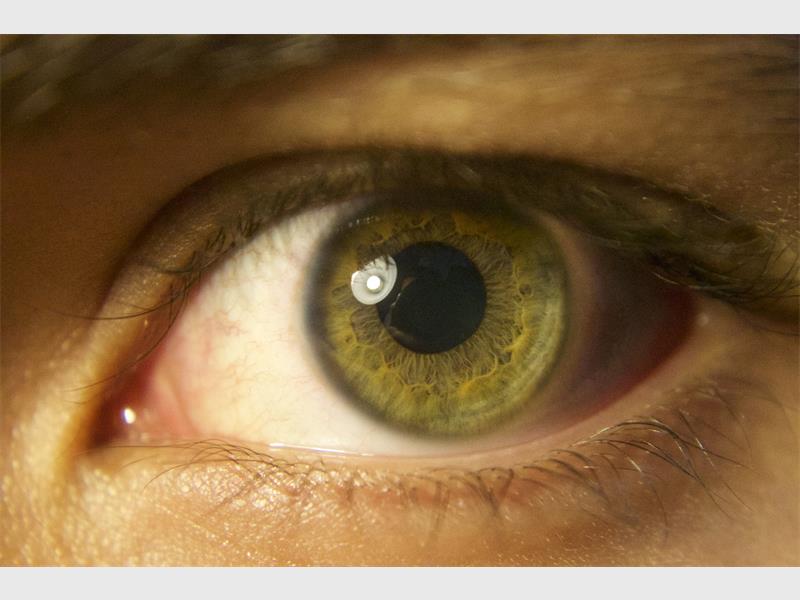
OCTOBER is the month of National Inherited Disorders and Retina South Africa is collaborating with local and international researchers to bring promising clinical trials and therapies to the country.
Inherited disorders cover a huge diversity of diseases that affect hundreds of thousands of South Africans and millions of people worldwide. They affect people from all walks of life and can cause serious health issues. Genetic components have been implicated in cancer, heart disease, diabetes, mental health, blindness and many more.
“We have thousands of genes that are microscopic bits of biological information that we inherit from our parents. This information is stored in every cell of the body in volumes of information called chromosomes and the chapters in these ‘books of life’ are called genes. These genes spell out the codes for the various cells in the body to produce proteins which are the building blocks of life,” explained Head of Science Retina South Africa, Claudette Medefindt.
She said that the unlocking of the human genome and the advancement of technology has allowed researchers to make huge progress in the basic understanding of the complexity of human genes. The science of Human Genetics is now discovering the gene mutations that cause disease and ways of intervening to treat these disorders. The study of the gene mutations that cause inherited retinal vision loss have been boosted over the last 35 years due to the proactive involvement by patient groups – such as Retina South Africa.
These genetic conditions are estimated to affect more than 25 000 South Africans and are generally diagnosed in young or pre-teen children, most often from families with no previous history of blindness. The most common form of inheritance in this group of vision stealing conditions is recessive inheritance – where unaffected parents unknowingly carry a single copy of a gene mutation. When two carriers marry, the child may inherit a gene mutation from both parents and then have the disorder.
Where the child inherits a gene mutation from only one parent the child again becomes a carrier of the gene. Retina South Africa estimates that there are 10 million South Africans carrying a single copy of a gene mutation in one of the 280 genes that have been associated with genetic retinal blindness. World-wide research has led to dozens of clinical trials being conducted to test promising treatments for these devastating forms of vision loss. Remarkable progress has been achieved in the fields of gene replacement, stem cells, artificial vision, Optobionics and many more.
“We are targeting the younger patients facing a lifetime of vision loss,” said Claudette Medefindt, head of Science for Retina South Africa. “If we can treat all young South Africans who have retinal degeneration we can save 1 million blind years,” Medefindt added.
You can donate R10 and invest in this miracle by sending an SMS with the word Dream to 38267. For more information, visit www.retinasa.org.za.