
The versatile Spekboom
Lindsay Gray on behalf of Hillcrest Conservancy will produce weekly articles regarding the various indigenous small trees that you can plant in your garden.
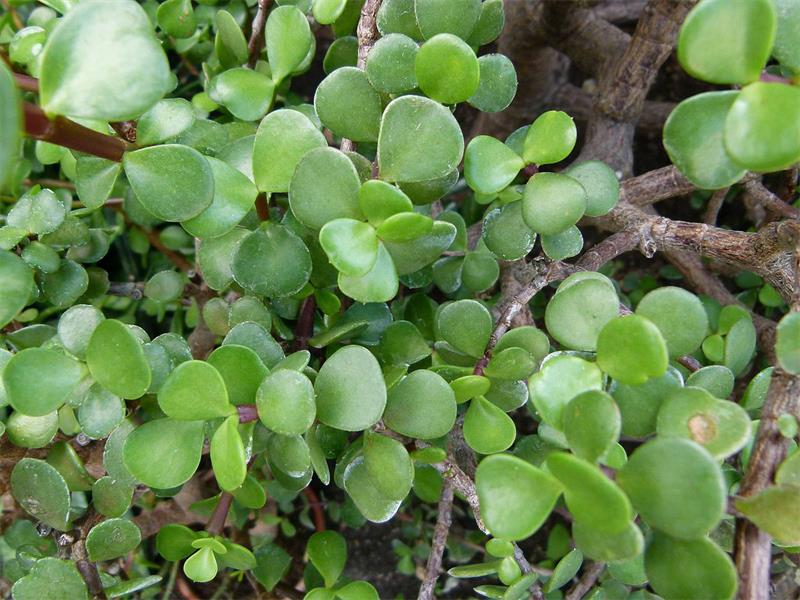
PORTULACARIA afra is a must for every garden. Referred to as ‘spekboom’ by both English and Afrikaans speakers, iNtelezi in Zulu and iGqwanitsha in Xhosa, this plant is an important part of the Addo elephants’ diet.
Portulacaria afra is a slender, evergreen shrub with small, rounded succulent leaves.
It has a varied growth habit; in the Addo Elephant Park the plant grows wide with a loose, rounded shape due to its constant pruning from the top by the elephants. Outside the park and in a garden situation, it tends to remain slender and can grow at least two metres tall if left unchecked.
ALSO READ: Plant indigenous trees: Pompon tree
The deep maroon stems contrast beautifully with the light green leaves and delicate pink, star-shaped flowers add to its beauty when they make their appearance from late winter through to spring.
I was fortunate to see the shrub flowering in the Addo Elephant Park in 2010, and was told by our guide that I was lucky to see this sight as flowering can be erratic. Naturally, the flowers offer a rich supply of nectar to a variety of insects which, in turn, attracts insectivorous birds to the plant.
The spekboom is extremely efficient in binding excesses of free atmospheric carbon (carbon sequestration) which is ultimately responsible for climate change.
It is reported that a stand of this plant has the ability to remove more carbon from the atmosphere than an equal amount of deciduous forest!
The spekboom can be found in various habitats from rocky slopes, thicket and bushveld to dry river valleys in the eastern parts of South Africa and parts of Mozambique. It grows equally well in a garden setting, although it may not flower as prolifically as in its natural habitat.
However, the flowers are not why we grow the spekboom.
This versatile plant makes an excellent bonsai specimen, can be clipped successfully into a hedge, is a great screening plant, tolerates semi-arid conditions as well as mild frost and acts as a soil binder or stabiliser in preventing soil erosion. It is also the ideal plant to grow along all of our major roads.
The leaves of Portulacaria afra are extremely tasty, if not just a little bit sour, and can be used in salads and other dishes such as tomato bredie.
ALSO READ: Plant indigenous trees: The Cheesewood
We are advised to pick the leaves early morning or late afternoon for the best flavour.
The plant has a number of traditional medicinal purposes from increasing breast milk for lactating mothers, rubbing a crushed leaf onto blisters, insect bites and other skin ailments, treating throat and mouth infections and aiding thirst and dehydration.
The plant is extremely easy to grow from cuttings either in seedling trays or directly into the ground.
With a bit of pruning to make space for decorations, you could also use this shrub as an excellent indigenous Christmas tree.
Contact the Hillcrest Conservancy chairman, George Victor, on 073 901 3902, e-mail georgevic@telkomsa.net or the website www.hillcrestconservancy.co.za or contact Lindsay Gray at info@schoolofgardendesign.com
Do you want to receive news alerts via WhatsApp? Send us a WhatsApp message (not an sms) with your name and surname (ONLY) to 060 532 5409.
You can also join the conversation on Facebook, Twitter and Instagram.
PLEASE NOTE: If you have signed up for our news alerts you need to save the Highway Mail WhatsApp number as a contact to your phone, otherwise you will not receive our alerts