
Keen to attract bees to your vegie patch? Pinetown’s Natalie Rowles shows you how
Natalie Rowles tell us that yellow flowers seem to attract bees to the garden.
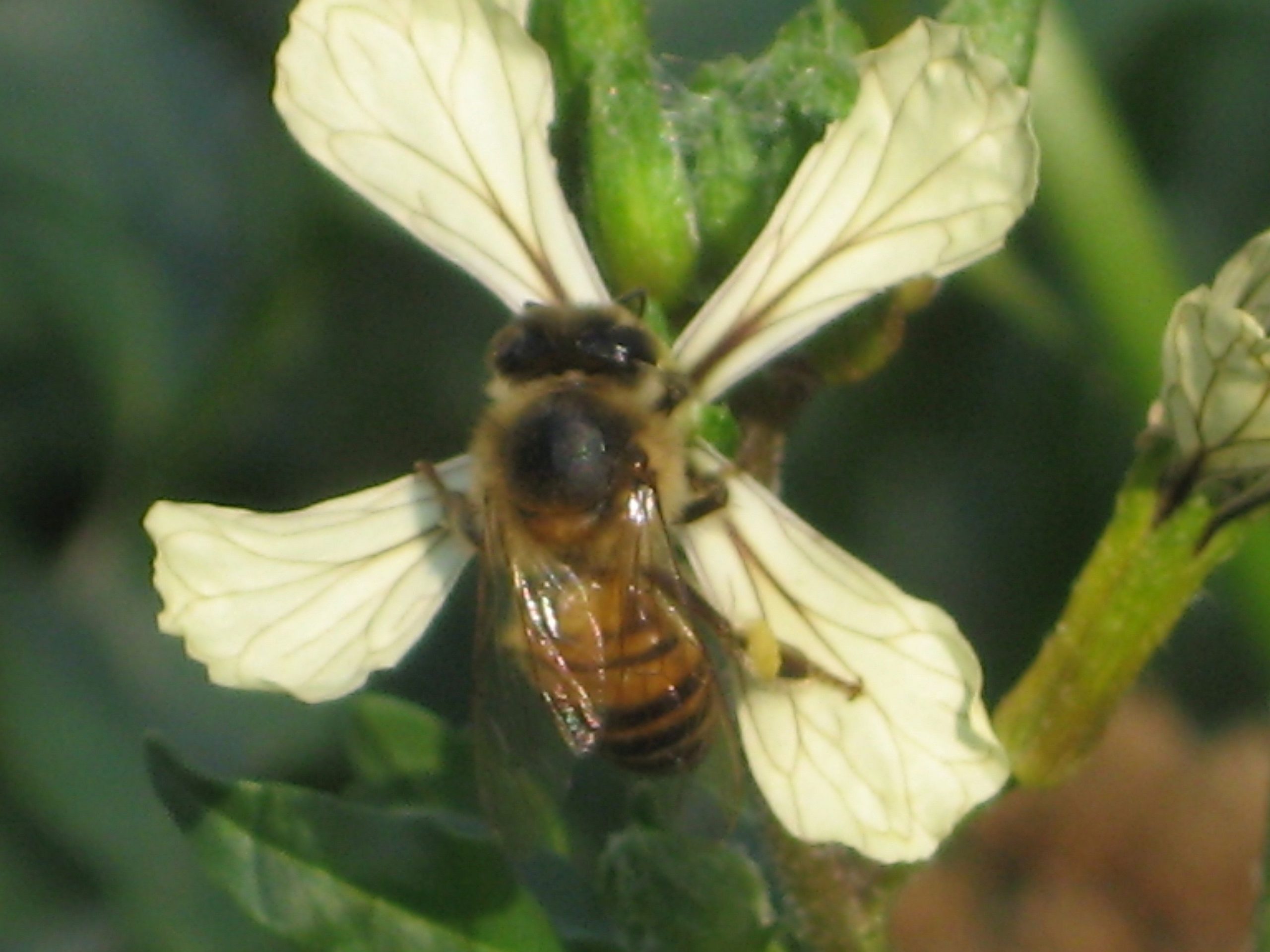
Avid nature lover and gardener, Natalie Rowles from Ashley in Pinetown, tells us how to attract bees to our gardens.
BEES are one of the most important species of insects in my back yard to successfully pollinate my vegetables and herbs through-out the year.
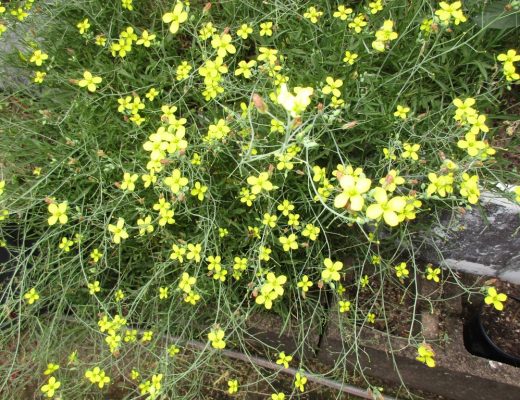
To encourage bees to visit your garden and be one of the hardest working insects there, I suggest you start to plant and grow the wild Rocket herb that forms a big bushy growth, and whose flowers seem to attract many bees to pollinate hundreds of these tiny yellow blooms for an extended period, as well as gem squash and butternut plants when in flower.
ALSO READ: Pinetown’s Natalie Rowle shares her passion for nature
The amazing East African Lowland honey bees, that are the specific species that visit my garden, are not available to do this important task, when the above herbs and vegetables are not in flower, as the colour yellow seems to be the most successful colour to attract them to pollinate my food crops!
The herb plants that attract the most number of these honey bees are the common Evening Primrose plants, (OENOTHERA), opening their beautiful yellow flowers from 4pm in the afternoon, till about 10am the next morning.
ALSO READ: Remove this invasive plant with these tips
These flowers cause a honey bee- sounding concert with their loud buzzing which can be heard quite a distance from the bed of Evening Primroses.
It is amazing to watch these closed-up Evening Primrose flowers slowly opening up one after the other, and will offer great opportunities for photographers to photograph this continued process.
Also try to group these plants together en-masse, so the impact it will have on the bee population should be greater than a single plant here and there in your garden.
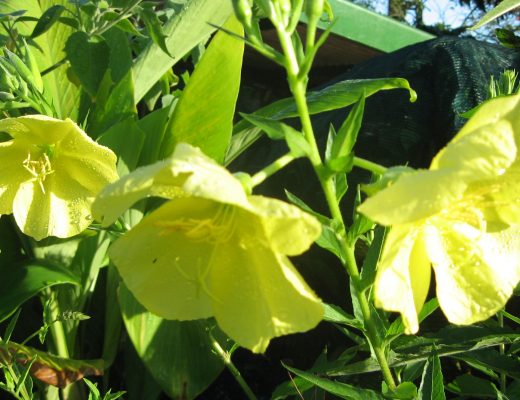
The Evening Primrose flowers attract bees to the garden.
Bees have been seriously affected by air pollution in cities, causing a drop in their number – so it is quite difficult to get them back into our gardens to do this necessary pollination.
This is one of the beliefs that without bees in our gardens, we will become extinct like the dinosaurs too! No bees – no food!
You surely do not want to do the slow hand-pollination I am doing now to ensure placing food crops of butternuts, gem squashes, cucumbers etc on my table, due to not having enough yellow-flowering plants to attract these live-saving insects to pollinate freely my food crops as well.
Caxton Local Media Covid-19 reporting
Dear reader,
As your local news provider, we have the duty of keeping you factually informed on Covid-19 developments. As you may have noticed, mis- and disinformation (also known as “fake news”) is circulating online. Caxton Local Media is determined to filter through the masses of information doing the rounds and to separate truth from untruth in order to keep you adequately informed. Local newsrooms follow a strict pre-publication fact-checking protocol. A national task team has been established to assist in bringing you credible news reports on Covid-19.
Readers with any comments or queries may contact National Group Editor Irma Green (irma@caxton.co.za) or Legal Adviser Helene Eloff (helene@caxton.co.za).

Do you want to receive alerts regarding this and other Highway community news via Telegram? Send us a Telegram message (not an SMS) with your name and surname (ONLY) to 060 532 5409.
You can also join the conversation on Facebook, Twitter and Instagram.
PLEASE NOTE: If you have signed up for our news alerts you need to save the Telegram number as a contact to your phone, otherwise you will not receive our alerts.
Here’s where you can download Telegram on Android or Apple.