
When weight gain becomes a health concern
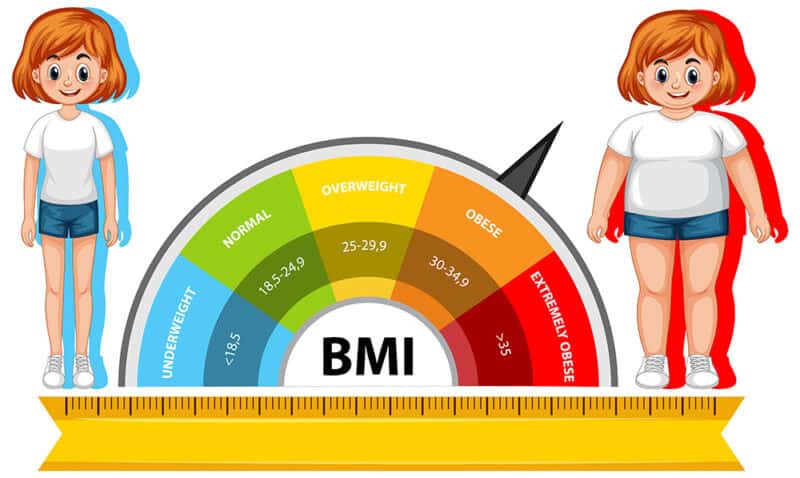
Childhood obesity is becoming an increasing concern worldwide, and South Africa is no exception. While excess weight is often associated with adults, health experts warn that unhealthy weight gain can begin much earlier in life, raising the risk of diabetes, heart disease and other chronic health conditions later on.

Childhood obesity is becoming an increasing concern worldwide, and South Africa is no exception. While excess weight is often associated with adults, health experts warn that unhealthy weight gain can begin much earlier in life, raising the risk of diabetes, heart disease and other chronic health conditions later on.
Understanding the warning signs and adopting healthy habits early can make a significant difference. Dr Kuben Pillay, a paediatrician and paediatric endocrinologist at Life Westville Hospital, shares his insights on childhood obesity, its causes and the practical steps families can take to prevent it.
How much do modern lifestyles – including screen time, fast food and reduced physical activity – contribute to childhood obesity in South Africa?
In my experience, these are among the biggest contributors to both childhood and adult obesity. Increased screen time, reduced physical activity and poor dietary choices all play a significant role in unhealthy weight gain.
What practical changes can parents introduce at home to help prevent childhood obesity?
Families can make a big difference by adopting healthy habits together. Some key steps include:
• Following regular meal plans and choosing a balanced diet.
• Serving age-appropriate portions and reducing unnecessary snacking.
• Being physically active as a family.
• Establishing healthy sleep routines and ensuring children get enough sleep.
• Replacing screen time with family activities.
• Choosing childcare facilities and schools that support healthy eating habits.

How can parents encourage healthier eating habits without making children feel restricted or punished?
A positive approach works best.
• Establish a meal plan that includes structured meals and snacks, and avoid constant nibbling between meals.
• Eat together as often as possible and remove distractions such as televisions, phones and tablets during mealtimes.
• Involve children in planning weekly menus and shopping for food.
• Avoid regularly replacing healthy meals with treat foods.
• Use non-food rewards rather than sweets or snacks as incentives.
Many parents struggle with fussy eaters. What advice would you give them?
• Eat together as a family whenever possible.
• Involve children in planning and preparing meals, whether it’s helping to make a salad or choosing ingredients.
• Avoid labelling foods as “healthy” or “unhealthy”, which can sometimes create negative associations around eating.
About Dr Pillay
Dr Pillay has been in practice for more than 20 years and established KwaZulu-Natal’s first paediatric endocrine clinic during his academic career at the University of KwaZulu-Natal. He has a special interest in diabetes, growth disorders and obesity in children, adolescents and young adults.