Struggling with PCOS? Durban Dr Pillay shares key insights for better health
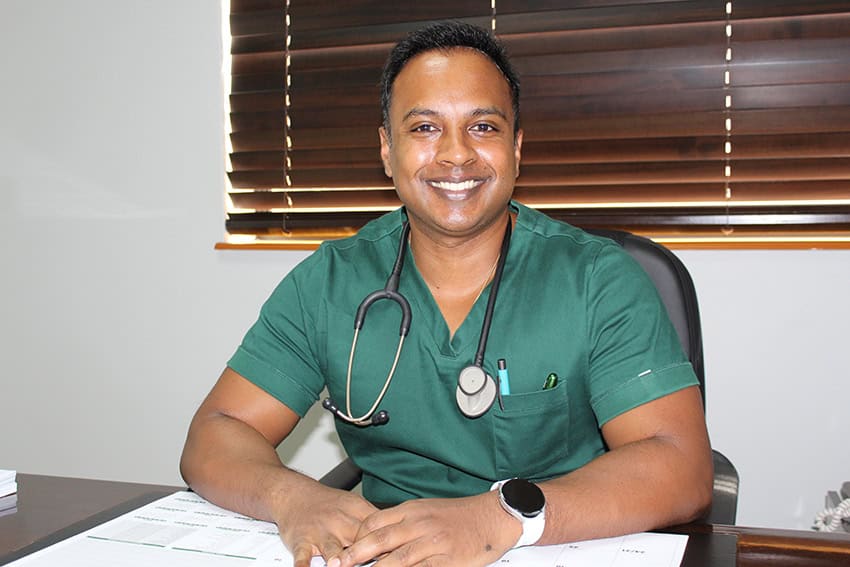
Dr Sunkaran Pillay, an experienced obstetrician and gynaecologist, at Parklands Hospital in Durban, sees patients from all walks of life and strongly believes in empowering women to take control of their own health. He explains what polycystic ovarian syndrome (PCOS) is about.

With over a decade of experience in his field, having obtained his MBChB in 2007 and following his internship and community service years, Dr Pillay immediately began working in the field of obstetrics and gynaecology, completing his specialist qualification and obtaining a Masters in Medicine (MMED). His key areas of interest are: Pre-conceptual counselling; antenatal care and delivery (especially high-risk pregnancies); gynaecological disorders (PCOS, endometriosis, uterine fibroids); laparoscopic gynae surgery; contraception counselling and administration; post-menopausal women’s health(hormone replacement therapy and osteoporosis), to name a few.
He says polycystic ovary syndrome (PCOS) is a common, but complicated endocrine (hormonal) disorder that effects approximately 20 per cent of women of reproductive age. “Presently, the exact cause of PCOS is unknown. However, the hormonal imbalance of PCOS interferes with ovulation, causing irregularity with the menstrual cycle and therefore can affect fertility. It is associated with many metabolic problems, such as obesity, insulin resistance and hyperandrogenism.”
Dr Pillay says patients with this condition may experience menstrual irregularities or no periods; difficulty becoming pregnant; oily skin; acne; unwanted facial or body hair (hirsutism); thinning hair or hair loss from the scalp (alopecia); weight problems – being overweight, rapid weight gain or difficulty losing weight; depression or changes in their mood.
Visiting a gynaecologist is advisable for women who experience these symptoms. A thorough clinical examination can then be undertaken, including imaging studies (ultrasound) and carrying out necessary blood tests. Dr Pillay says these steps are crucial in making a correct diagnosis.
There are three parameters included in the diagnostic criteria for PCOS: Clinical or biochemical hyperandrogenism or both; oligo-anovulation (reduced number of periods), and polycystic ovary morphology (ultrasonography indicating the presence of ≥12 follicles with a maximum diameter of 2–9 mm or any ovarian volume >10 mL). A woman with PCOS must meet at least two of the three characteristics.
“Once the diagnosis has been confirmed an individualised treatment plan can be drawn up, often involving a multidisciplinary team. For those patients who are overweight or have proven insulin resistance, weight loss and exercise form an integral part in correcting the disorder. Weight loss aids in reducing insulin resistance. This in turn may result in spontaneous return to ovulation or improved ovulation, which in turn aids in conception,” said Dr Pillay.
Some of the most successful diets plans for the condition are:
- a low carbohydrate diet
- A ketogenic diet
- Mediterranean diet (MD), which is rich in complex carbohydrates, fibre and monounsaturated fats, may be one of the most suitable diet plans for PCOS.
Dr Pillay says that unfortunately fertility problems are highly common in women with PCOS due to the impaired ovulation associated with the condition. He says this can initially be addressed by the measures already discussed, as well as using insulin sensitising medications and medically supervised weight loss products. He says the use of certain hormonal medication to control the menstrual cycle and other ovulation inducing treatments can also be employed.
“Combined contraceptives are often prescribed for those patients whose primary concern is menstrual irregularity or symptoms related to high androgens (acne, hirsutism or alopecia). This group of medications help to effectively regulate the menstrual cycle as well as reduce skin and hair problems related to the condition.”
Although PCOS is not curable, Dr Pillay says it is controllable with appropriate medical and lifestyle interventions to address fertility concerns and prevent long term complications.
To make an appointment with Dr Sunkaran Pillay at his medical suite at Netcare Parklands Hospital, phone 031 207 1455/1456 or WhatsApp: 066 206 1724.