
Lifestyle coach highlights growing concern of loneliness
We speak to a lifestyle coach and learn how loneliness affects people differently and how to deal with being alone and feeling lonely.
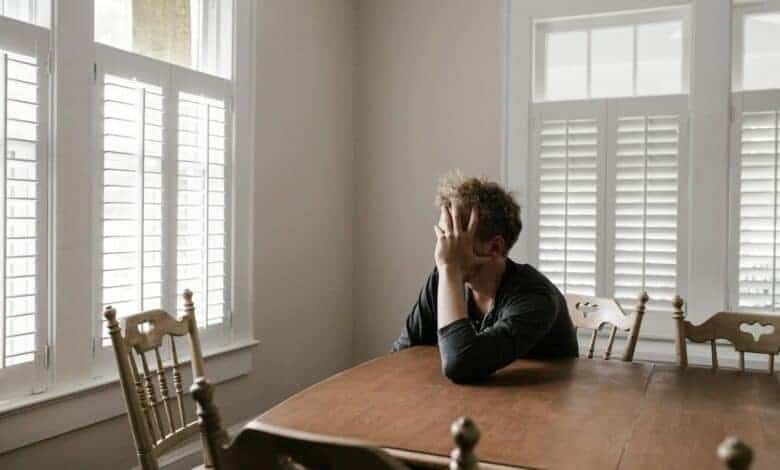
ACCORDING to the World Health Organisation (WHO) loneliness and social isolation is being recognised as a priority public health problem across all age groups.
While loneliness and social isolation affects people of all ages, an estimated one in four older people experience social isolation and between 5 and 15 percent of adolescents experience loneliness.
In fact the WHO has labelled loneliness a major Global Public Health Concern with the USA and Australia declaring it an epidemic.
You may be interested: Durban North resident plans momentous mountain fundraiser
Candice King, an uMhlanga resident and a lifestyle coach spoke to Caxton Durban about the concept of loneliness and being alone.
“Let’s clear up a common misconception: being alone and feeling lonely are not the same thing. Being alone is simply solitude – a choice to spend time by yourself, which can be refreshing and restorative. Loneliness, on the other hand, is the painful experience of feeling isolated, even when surrounded by people. It is the deep sense of disconnection, of not truly belonging, of feeling unseen and unheard.”
“Loneliness is experienced differently by different people. Some describe it as an emptiness, others as a heaviness in the chest, and many say, ‘Even though I’m around people, I still feel lonely’. If that resonates with you, you are not alone. One of the most common feelings tied to loneliness is a lack of belonging. You might have a big social circle but still feel like no one truly understands or connects with you on a deeper level,” King explained.
She added that loneliness doesn’t discriminate and that it can impact us at any stage of life.
Also read: Donate blood in Durban North, you are someone’s ‘type’
“The hardest part of loneliness is admitting it. Many of us hide behind ‘I’m fine’ or a forced smile, even when we’re struggling. But reaching out for connection is key. If you know someone who is lonely, be the one to make a difference. Visit them, take them out for a coffee, or invite them for a walk. Simply being there, listening without judgment, can make a world of difference.
“Loneliness hits the elderly particularly hard. Many live in retirement homes or alone, without the means to go out and socialise. As a society, we have lost the tribe mentality, but it’s not too late to rebuild it. Let’s take the time to visit our grandparents, our elderly neighbours, and those who may be feeling forgotten. They have incredible stories, wisdom, and lessons to share — sometimes, all they need is a cup of tea and a listening ear,” she said.
For more from the Highway Mail, follow us on Facebook , X and Instagram. You can also check out our videos on our YouTube channel or follow us on TikTok.
Click to subscribe to our newsletter here