
Chirping with Kloof Conservancy – the Olive Thrush
Find out more about this feathered Highway resident below.
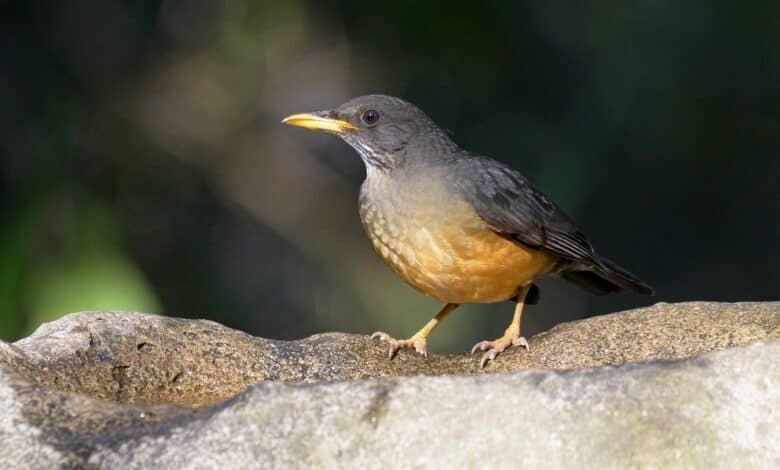
THIS week we feature the Olive Thrush which is the bird that is most likely to be waking you up every morning as it starts its persistent call at the break of dawn.
Also read: Chirping with Kloof Conservancy – Lesser Honeyguide
Description
The Olive Thrush is a medium-size bird at around 24cm and a weight of 66g. At first glance it is not particularly attractive, but a closer look reveals a bright orange chest and a conspicuously striped, white throat. The head and upper parts are a dull olive grey. The bill is a distinctive bright orange yellow. Males and females are very similar in appearance.
Distribution
This species is found throughout KZN and in a broad band from the Western Cape through to Mpumalanga. It is also found in the Free State along the Lesotho border.
Habitat
The Olive Thrush has adapted exceptionally well to humans and is found in most well treed or shrubby gardens in the Highway area. They are territorial so you are most likely to see the same bird in your garden day after day.
Feeding
Earthworms are the preferred food of the Olive Thrush, but they will also eat fallen fruit and a wide variety of insects such as snails, caterpillars, grubs and grasshoppers. Feeding is done mainly on the ground where you can spot it scurrying through leaf litter looking for a tasty morsel.
Breeding
They are solitary nesters but will nest fairly close to other pairs of the same species. The nest is built in a tree usually with grass, twigs and damp leaves. The female lays two to three eggs which she incubates on her own. Feeding of the chicks is done by both adults.
Predators and threats
The Olive Thrush is not considered to be under threat
Local information
This is a very common species in our area. They are shy so often fly away when spotted but they are ever present so relatively easy to see.
Interesting facts
It is believed that Olive Thrushes can hear the vibrations from earthworms moving in the ground which helps them to home in to their prey at which point they will strike with their sharp beaks to extract the earthworms from just below the surface of the ground.
For more from the Highway Mail, follow us on Facebook , X and Instagram. You can also check out our videos on our YouTube channel or follow us on TikTok.
Click to subscribe to our newsletter here