
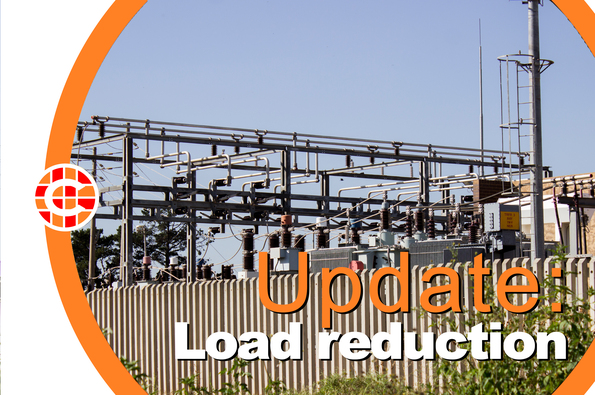
Have you ever wondered about the difference between load-shedding and load reduction; two concepts the electricity utility Eskom uses?
“Load-shedding = Eskom does not have enough capacity to generate electricity. Load reduction = switch off localised areas where illegal connections cause overload and damage infrastructure,” Eskom spokesperson Sikonathi Mantshantsh explained in a Tweet in 2020.
Adrian Amod, Mogale City Local Municipality’s communications representative noted on behalf of the MCLM Energy Services that, “In May 2020, Eskom introduced and started implementing load reduction largely in townships and informal settlements across the country as a response to its infrastructure being overloaded during peak hours, and illegal connections resulting in severe damage accounting to millions of rands in losses through ongoing repairs and replacements.
The overloading is largely due to illegal consumption, which continues to increase. In Mogale City, these reductions affect Eskom supply areas such as Kagiso, Lusaka, Swaneville, Sinqobile as well as parts of Muldersdrift and Magaliesburg which, over time, resulted in protests and disgruntled residents.”
To this end, MCLM Executive Mayor Tyrone Gray, Utilities MMC Kagiso Lekagane, and other MCLM officials convened a meeting with Eskom in the Mayoral Chamber at the town hall on Wednesday, February 2 to discuss the municipality’s power supply challenges.
The outcome is that Eskom will introduce load reduction in Mogale City, which is necessitated by two issues in particular.
“Firstly,” Adrian explained, “the culture of consumers not paying Eskom negatively affects the utility’s ability to service its creditors such as coal suppliers, and to repair damaged infrastructure such as substations and transformers. Eskom also confirmed that explosions often occur at the pole-mounted transformers and mini-substations in these townships and informal settlements, and replacing the equipment was costly and unsustainable. The meeting resolved to explore the use of municipal courts for cable-theft issues and that the culture of non-payment for services should be discouraged as it also affects paying customers who reside in these areas.
Secondly, overloading caused by illegal connections, meter bypasses, purchasing electricity from ghost vendors, and tampering with Eskom’s infrastructure have been on the rise in the prementioned areas. These, unfortunately, cost Eskom millions of rands, and to safeguard it assets from repeated failure caused by illegal connections, meter bypasses and tampering, some damaged infrastructure will have to remain unrepaired until funds can be sourced.”
The municipality appealed to the community to report infrastructure vandalism and theft, and “… change the culture of negatively perceived whistle-blowing in townships”.
Adrian lastly said that, “Mogale City will work closely with Eskom on an ongoing basis and strive to keep stakeholders, especially the community, informed consistently of progress and challenges, with the objective of ensuring continued energy supply to our paying constituency”.