Robberies, riches and heritage: Standard Bank through time
In the 18th edition of Echoes of Krugersdorp: Two notorious robberies, buried loot and a bank that grew alongside the town’s history.
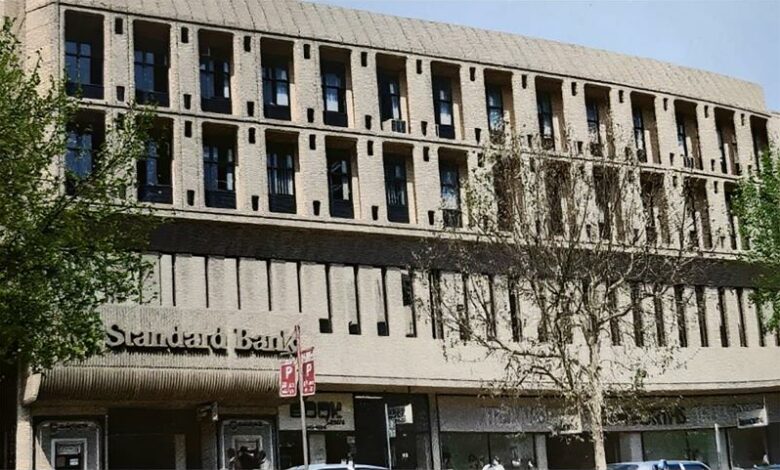
In the 18th edition of Echoes of Krugersdorp, produced in partnership with the Krugersdorp Heritage Association (KHA), we explore one of the town’s oldest commercial institutions: Standard Bank.
According to KHA co-founder Jaco Mattheyse, the bank was founded in 1862 when a group of businessmen, led by politician John Paterson, established the Standard Bank of British South Africa in London. It began operating in Port Elizabeth in 1863 and quickly expanded, merging with the Commercial Bank of Port Elizabeth, the Colesberg Bank, the British Kaffrarian Bank and the Fauresmith Bank.
• Also read: Tunnel Theft of 1977: ‘We will probably never know who did it’
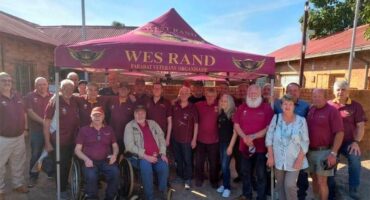
“The bank played a key role in financing the Kimberley diamond fields after 1867. By 1883, the word ‘British’ was dropped from its name. When gold was discovered on the Witwatersrand, Standard Bank expanded northwards. On 11 October 1886, it opened for business in a tent at Ferreira’s Camp (later Johannesburg), becoming the first bank on the Witwatersrand goldfields,” Jaco explained.
• Also read: Echoes of Krugersdorp: The untold story of Coronation Park
Krugersdorp’s first branch and the 1889 robbery
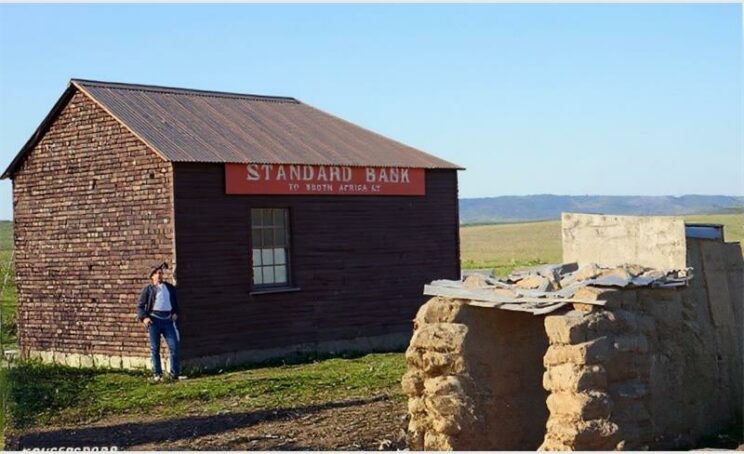
Less than two years later, the bank opened its first Krugersdorp branch at the corner of Joubert and Rissik Street. The simple, single-room sun-dried brick building was already an improvement on its corrugated-iron neighbours.
“It was in this modest building that Krugersdorp was thrust into the international spotlight,” Jaco said.
On August 29, 1889, at 09:00 on a misty morning, two armed men robbed the bank of its entire contents. Bank officials were assaulted with revolver butts, and the robbers escaped on horseback – the first crime of its kind in the Transvaal, drawing worldwide attention.
Krugersdorp’s first police head, Sergeant Tossel, gave a detailed account of the incident. Tossel and District Chief Magistrate Human pursued the fugitives, where Tossel exchanged his horse for a racehorse along the way. A shoot-out occurred 1.5km beyond the Witpoortjie Hotel. One robber was wounded, the other surrendered, and only some stolen currency was recovered. The bulk of the gold and silver was never found, believed buried in the veld. Both men were sentenced to 25 years of hard labour.
• Also read: Die Herberg Hotel: A legacy that died in flames?
Expansion and the 1977 tunnel burglary
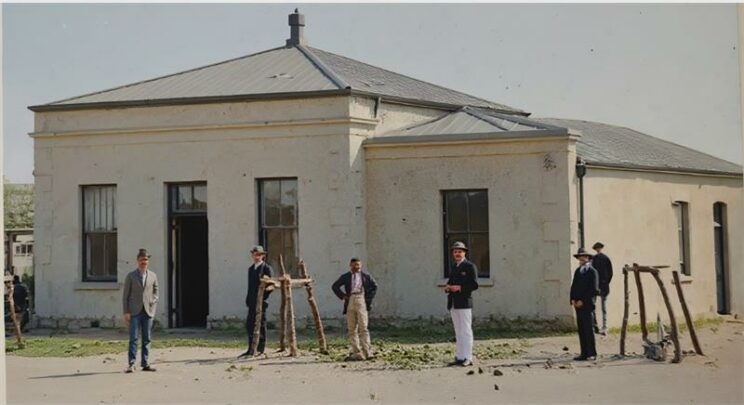
By 1891, Standard Bank had moved to larger premises on the same site, reflecting the town’s growing permanence. The building served Krugersdorp until the 1940s, when the bank relocated to the corner of Monument and Human Street – the bustling town centre.
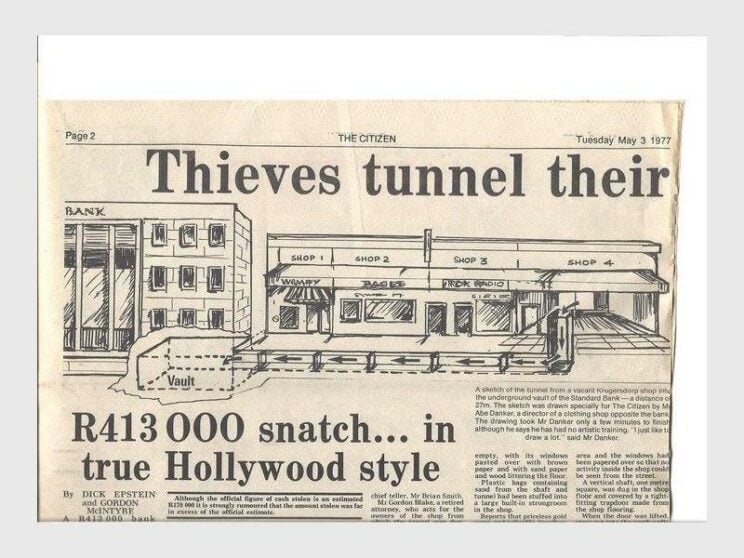
It was here that the bank made headlines again: Over Easter weekend in May 1977, a gang spent three months digging a 21 metre tunnel under neighbouring shops to access the bank vaults. They escaped with over R400 000, the largest burglary in South African history at the time. Neither the thieves nor the money were ever found.

Modern legacy and heritage accounts
In the 1980s, the bank moved to modern premises on Human Street, occupying the second floor above a stationery shop. It remained there until its recent relocation to the Pretoria Street Mall.
One of Standard Bank’s oldest accounts in Krugersdorp belongs to St Ursula’s School, opened in 1904 shortly after the arrival of the Ursuline Sisters – 121 years old today, Jaco noted.