Exotic pets: Sanctuary raises alarm over growing demand
Beyond Borders Animal Sanctuary in Tzaneen warns that the exotic pet trade is causing suffering and calls for stricter regulation in South Africa.
TZANEEN – Beyond Borders Animal Sanctuary is calling for greater public awareness and stricter regulations around exotic pet ownership, warning that wolves are not suitable pets and often suffer due to impulsive human decisions.
Abir the wolf’s rescue and recovery story
The sanctuary recently shared the story of Abir, a wolf that has been in their care for approximately six years.
According to the sanctuary, Abir arrived when he was nearly three weeks old, severely ill and fighting for his life. During his recovery, he required around-the-clock care, resulting in an intense imprint bond with his caregiver.
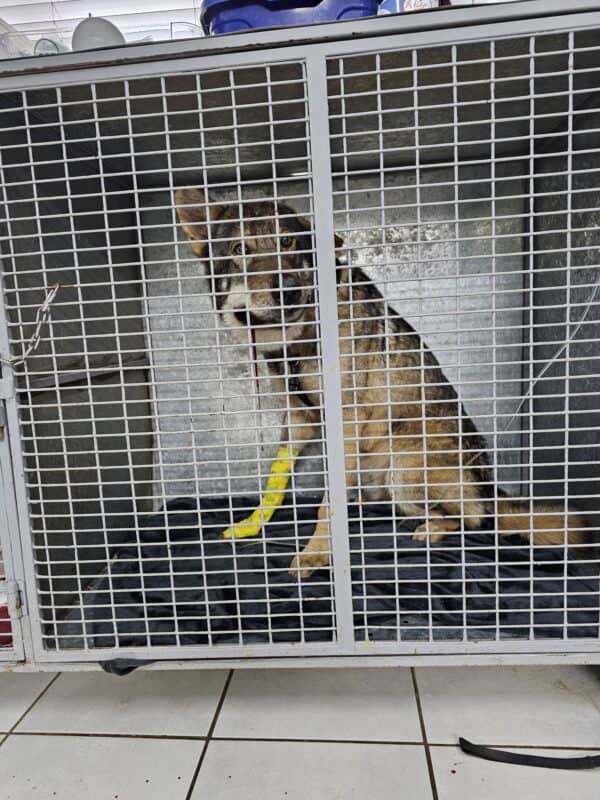
Lifelong bond and specialised care required
The sanctuary explained that because Abir was raised so closely by a human from such a young age, he relates to his caregiver as a wolf would to a parent or pack member rather than in the way a domestic dog relates to an owner.
Building and maintaining that bond, they said, required years of specialised study into wolf behaviour, constant dedication, and a deep understanding of the animal’s needs.
They stressed that this type of commitment is far beyond what most people can realistically provide.
“Most people have jobs and other responsibilities and simply cannot give a wolf what they need,” Azelle Grobler explained. “This bond is a lifelong commitment.”
Concerns about impulsive exotic pet ownership
The organisation said one of its biggest frustrations is that many residents immediately express a desire to own a wolf after seeing the animals, without understanding the complex care they require.
According to the sanctuary, wolves need specialised diets, large spaces, secure fencing, extensive time investment, and knowledgeable handling.
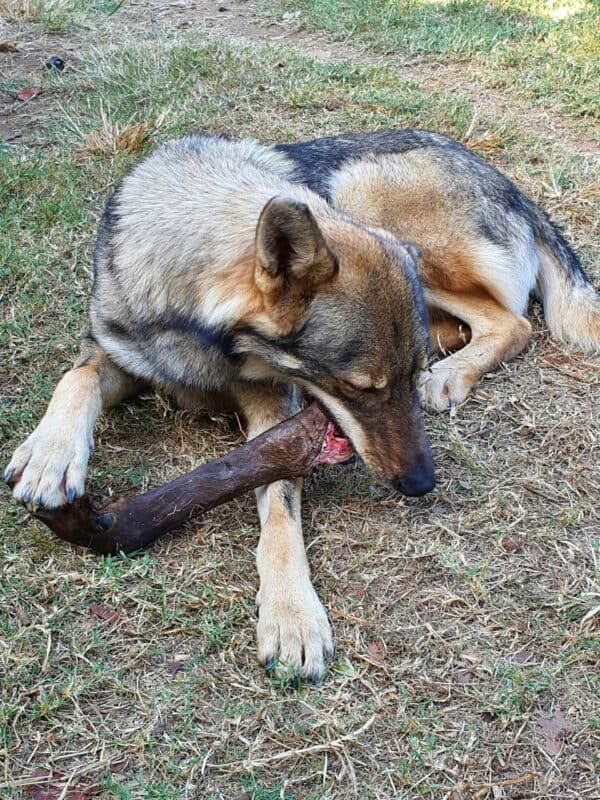
The sanctuary warned that the exotic pet trade has become increasingly problematic, with animals often being sold with little education or screening of potential owners. As a result, many wolves and other exotic animals eventually end up abandoned, neglected, surrendered to sanctuaries, or dying because owners are unable to cope with their needs.
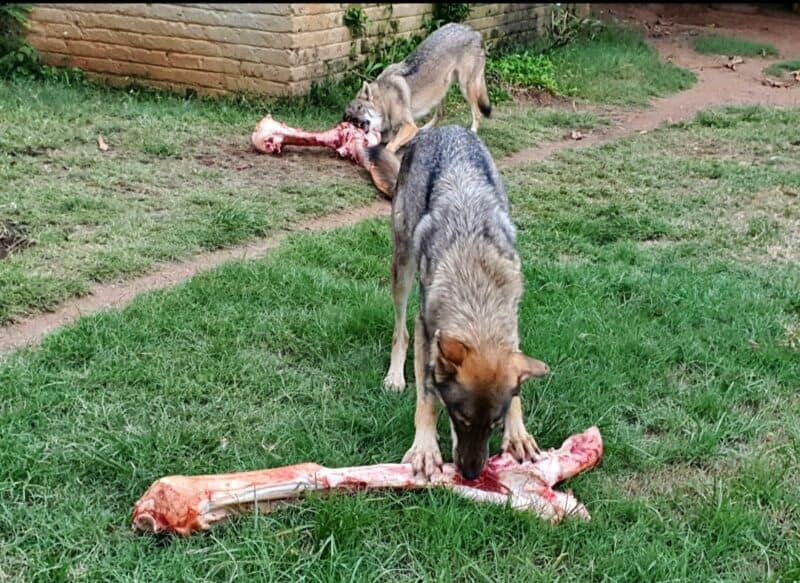
Call for stronger regulation of exotic animals
“We want to make sure the message is very clear before people act on impulse,” Grobler said.
“Wolves are not pets. They are wild animals with complex needs and are not suitable for life in a normal home.”
Beyond Borders Animal Sanctuary also believes that South Africa’s laws surrounding exotic pet ownership should be far stricter.
The organisation argues that tighter regulations could help ensure that only properly equipped and responsible individuals are permitted to keep exotic animals, reducing suffering caused by irresponsible ownership.
Through education and awareness campaigns, the sanctuary hopes to discourage impulsive purchases and encourage greater respect for the welfare and natural needs of wolves and other exotic animals.