From heritage craftsmanship to modern status symbols, luxury timepieces are fast becoming wearable investments
Once simple tools for telling time, fine watches now blend heritage, craftsmanship and long-term financial value.
For decades, watches were bought for one simple reason: to know the time. Today, the world of fine timepieces has shifted dramatically.
The resale market for watches is looking good, and a quality second-hand timepiece can give you good cash in your pocket.
A well-chosen watch is no longer just a functional accessory but a reflection of taste, lifestyle and financial awareness. Pick your watch well, keep it for a while, and resell it at a better price!
An easy way to make money in an undersaturated market.
In an age of fast fashion and fleeting trends, quality watches are quietly proving that patience and craftsmanship can pay off.
Where did it start?
A brief look at the history explains why.
Watches evolved from 16th-century pocket timekeepers worn by European nobility into wristwatches popularised during World War I.
As Swiss and French watchmaking houses refined precision engineering and hand-finished movements, watches transformed into enduring objects of desire.
This heritage is what allows certain timepieces to hold and even grow, their value decades later.
What makes a watch appreciate is a careful mix of brand legacy, craftsmanship, scarcity and proper care.
Limited editions, discontinued models and designs tied to cultural moments often become highly sought after.
Unlike trend-driven accessories, luxury watches are designed for longevity, which makes them attractive to collectors and everyday wearers alike.
ALSO READ: DJ Maphorisa’s R1.2 million Rolex: yellow-gold day-date 40 timepiece reminds us that we are ‘peasants’!
Watch wealth: buy a timepiece and watch it appreciate in value
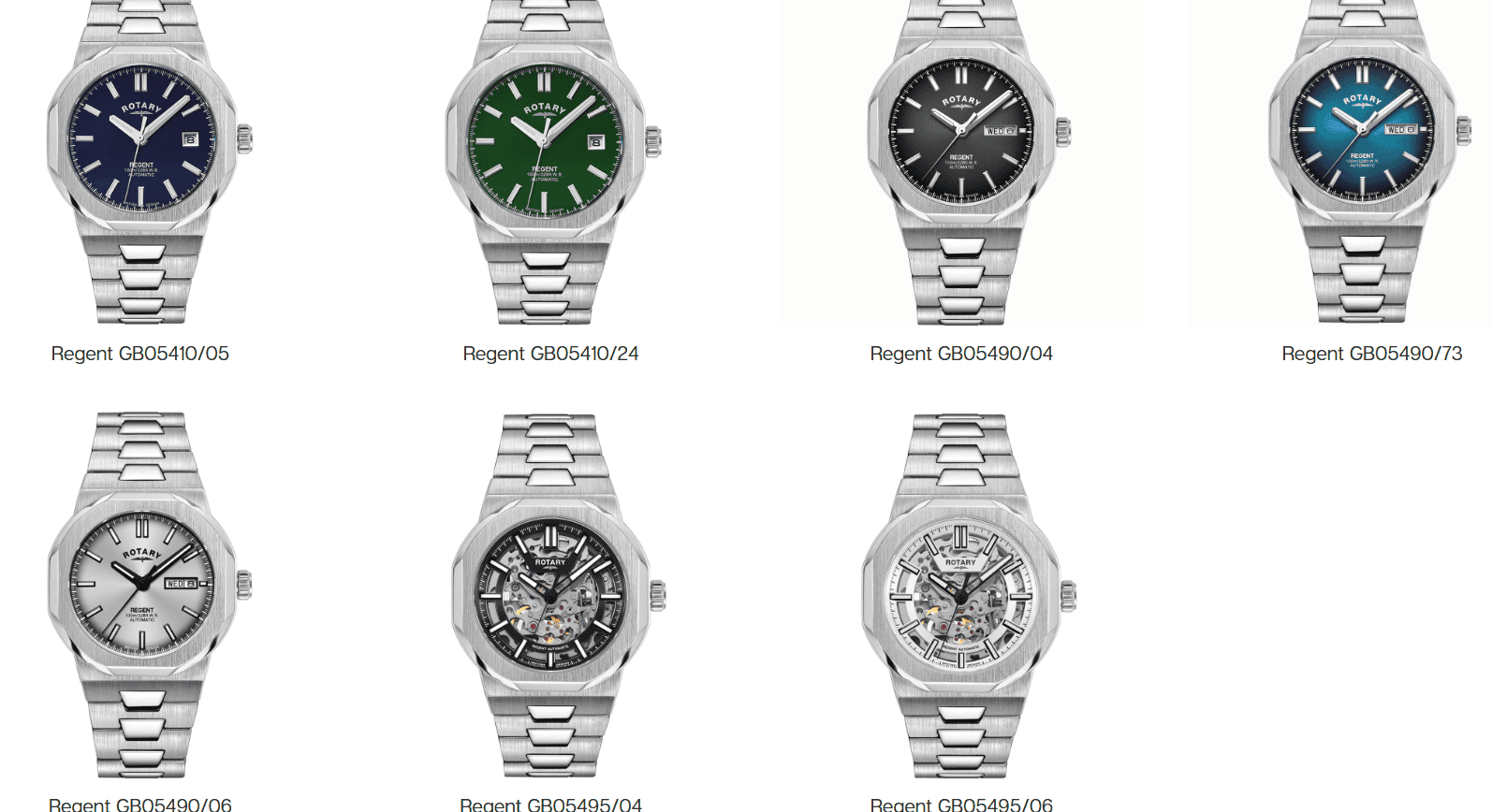
A spokesperson from Luxco Importers highlights the thinking behind this approach.
“Luxco Importers is guided by a philosophy rooted in respect, trust and confidence, serving as a strategic bridge between prestigious international watch brands and the Southern African market,” the expert says.
“Our portfolio is distinguished by diverse specialisation, from Swiss heritage brands such as Rotary to refined French craftsmanship with Herbelin.”
Longevity is not left to chance.
“We place a strong emphasis on robust construction and enduring quality,” the Luxco expert adds. “Each timepiece is positioned as a premium object rather than a mere instrument, supported by dedicated after-sales service.”
This commitment ensures watches remain reliable and desirable long after their initial purchase.
Exclusive distribution through over 140 retail outlets and curated platforms like The Avenue and Time Watches further protects authenticity and long-term value.
Contemporary brands are also redefining what modern value looks like.
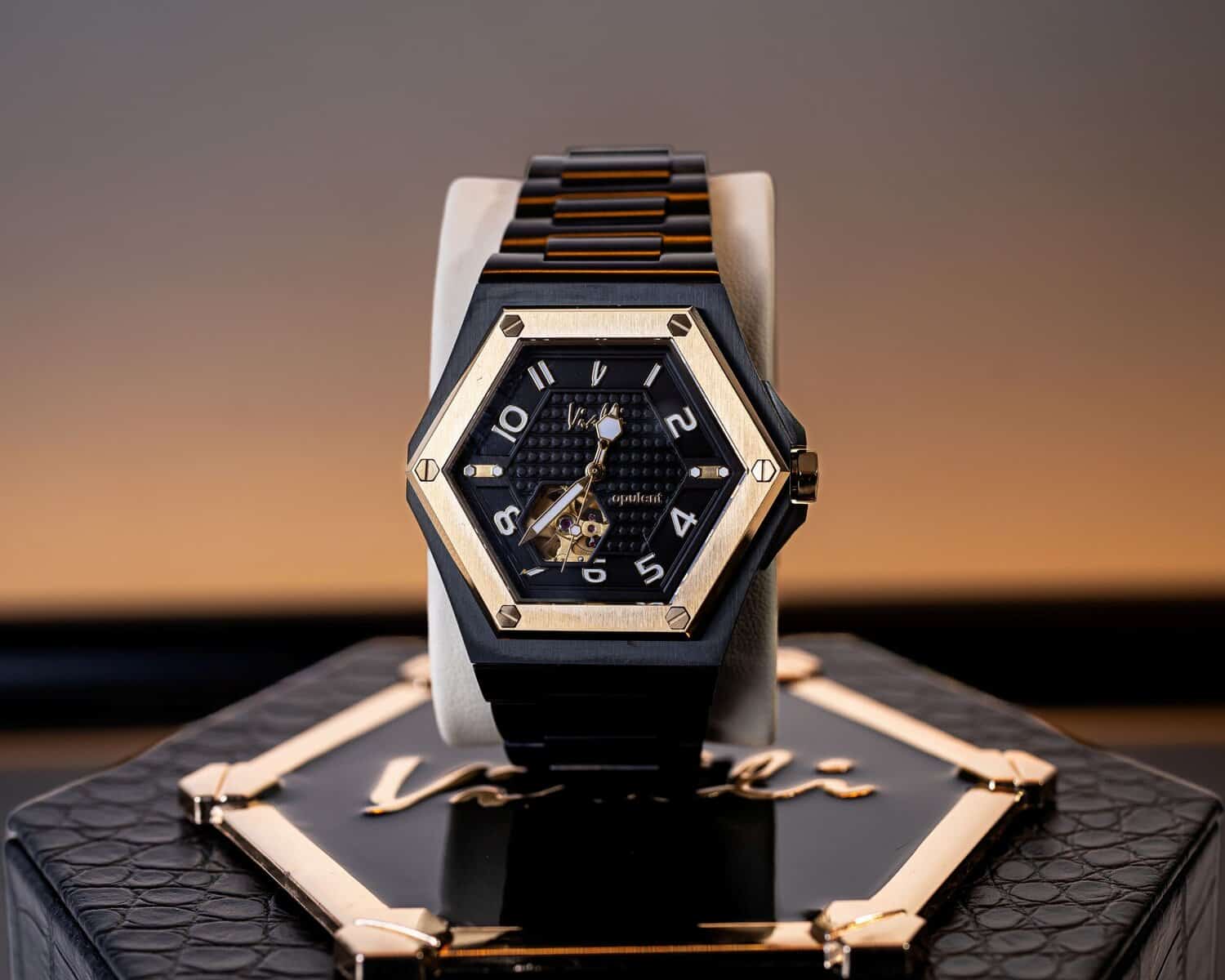
A Vialli watch expert explains: “Bold yet considered, the Vialli watch collection captures the balance between modern sophistication and classic design. Each timepiece reflects confidence, ambition and an unmistakable sense of personal style.”
Designed to transition from everyday wear to statement moments, these watches remain relevant beyond seasonal trends.
ALSO READ: Comfort is the new couture: Why these shoes are fashion’s coolest statement in 2026
Growth of luxury in South Africa
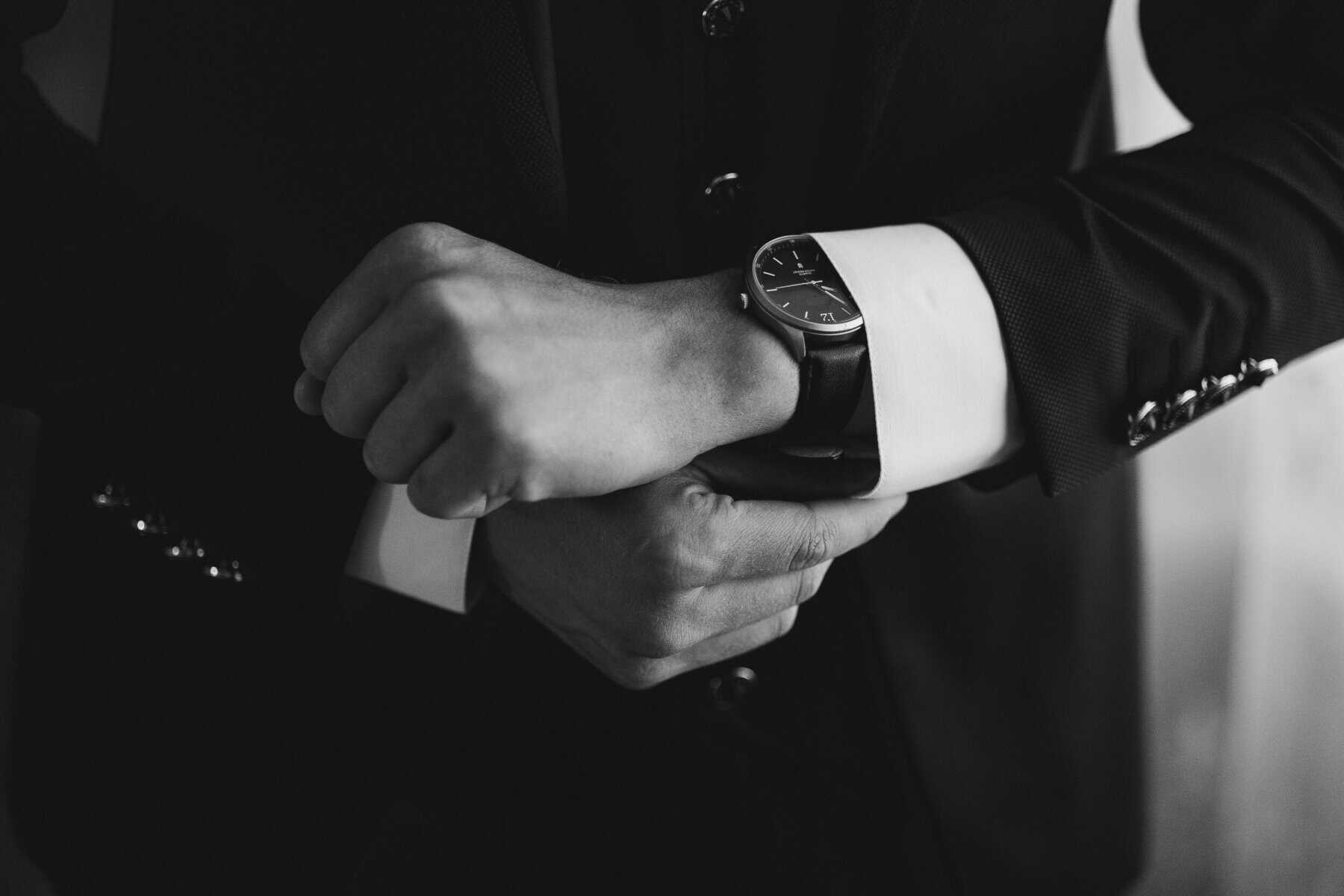
South Africa’s luxury landscape is evolving, too.
The country is seeing a rise in premium watch boutiques and luxury retail spaces, giving consumers greater access to world-class timepieces.
This growing presence is cultivating a more informed buyer who understands that investing in quality today can deliver both style and value tomorrow.
For those who choose wisely, a timepiece is not just worn. It is passed down, admired and valued far beyond its original price.
So your timepiece handed down from your grandfather might be worth a fortune.