The squeaky-clean feeling you get after stepping out of the shower may actually be a sign that your skin is under stress.
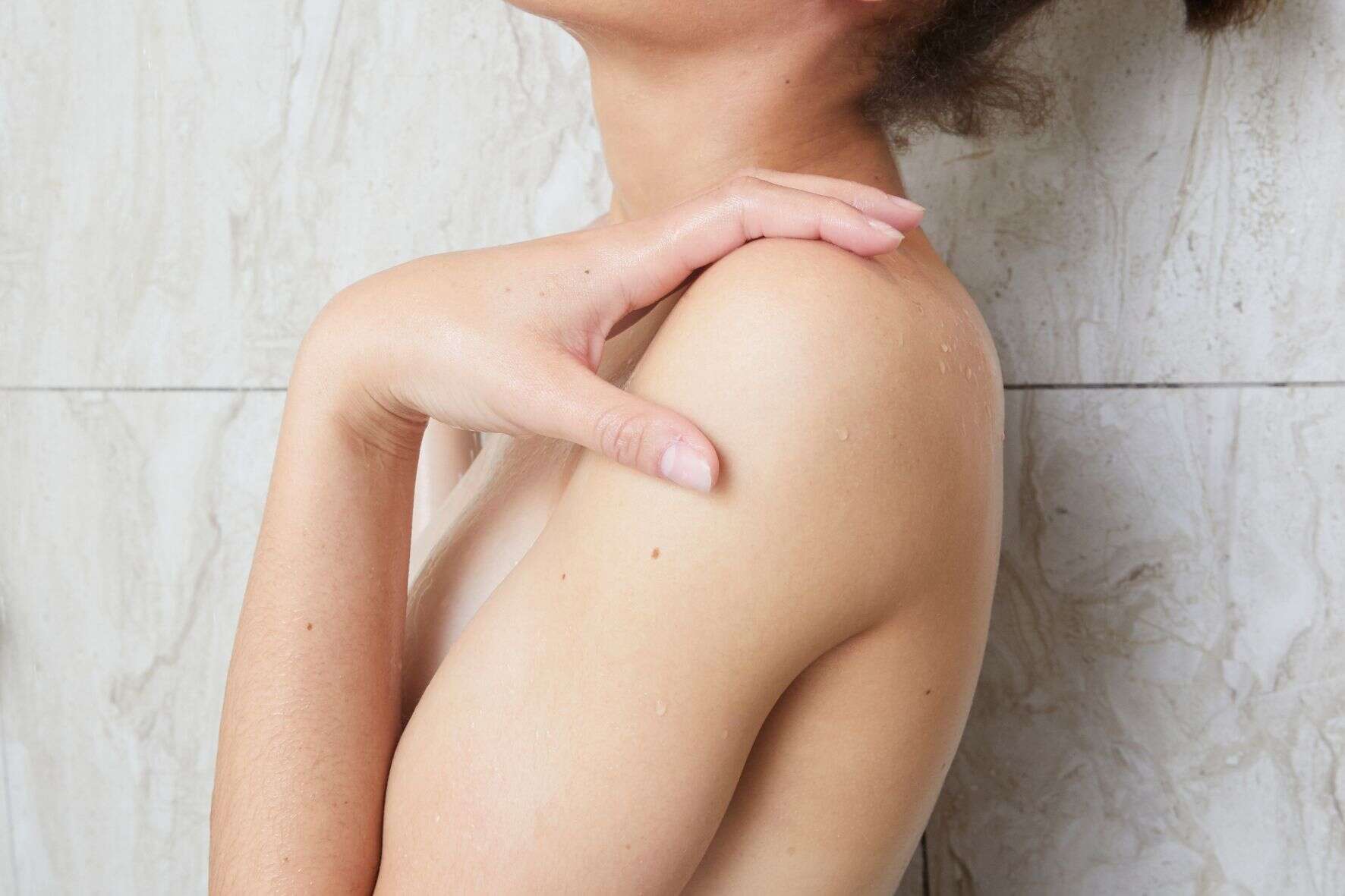
Daily hot showers could damage your largest organ. Picture Angie Lazaro


Actor couple Ashton Kutcher and Mila Kunis went viral a couple of years ago after admitting they did not shower daily. And while the hoohaa was all over the internet, the pair may be right. Showering every day may not be the best gift to give your skin.
Yet for most of us, bathroom routines are like autopilot. Brush teeth, shave, hop into the shower, get dressed, and you’re fit as a fiddle. Skipping a scrub and a clean can leave you feeling a bit guilty and yuck. But it may be good for you to do that.
Science is increasingly poking holes in the idea that daily showering is always healthy for your skin. Showering daily, it seems, is more about social norms than actual physical or medical need.
“Our skin is not just a surface to be scrubbed,” biomedical scientist Dr Judey Pretorius said. “It is an active organ with a protective barrier made up of lipids, proteins and living cells that work together to keep moisture in and irritants and microbes out.”
Showering daily may not be healthy for your skin
The barrier our skin creates also has a microbiome, a community of beneficial microorganisms that help regulate inflammation and support immune defence. Research from institutions such as Harvard Medical School has noted that excessive washing can remove natural oils and disrupt this microbial balance.
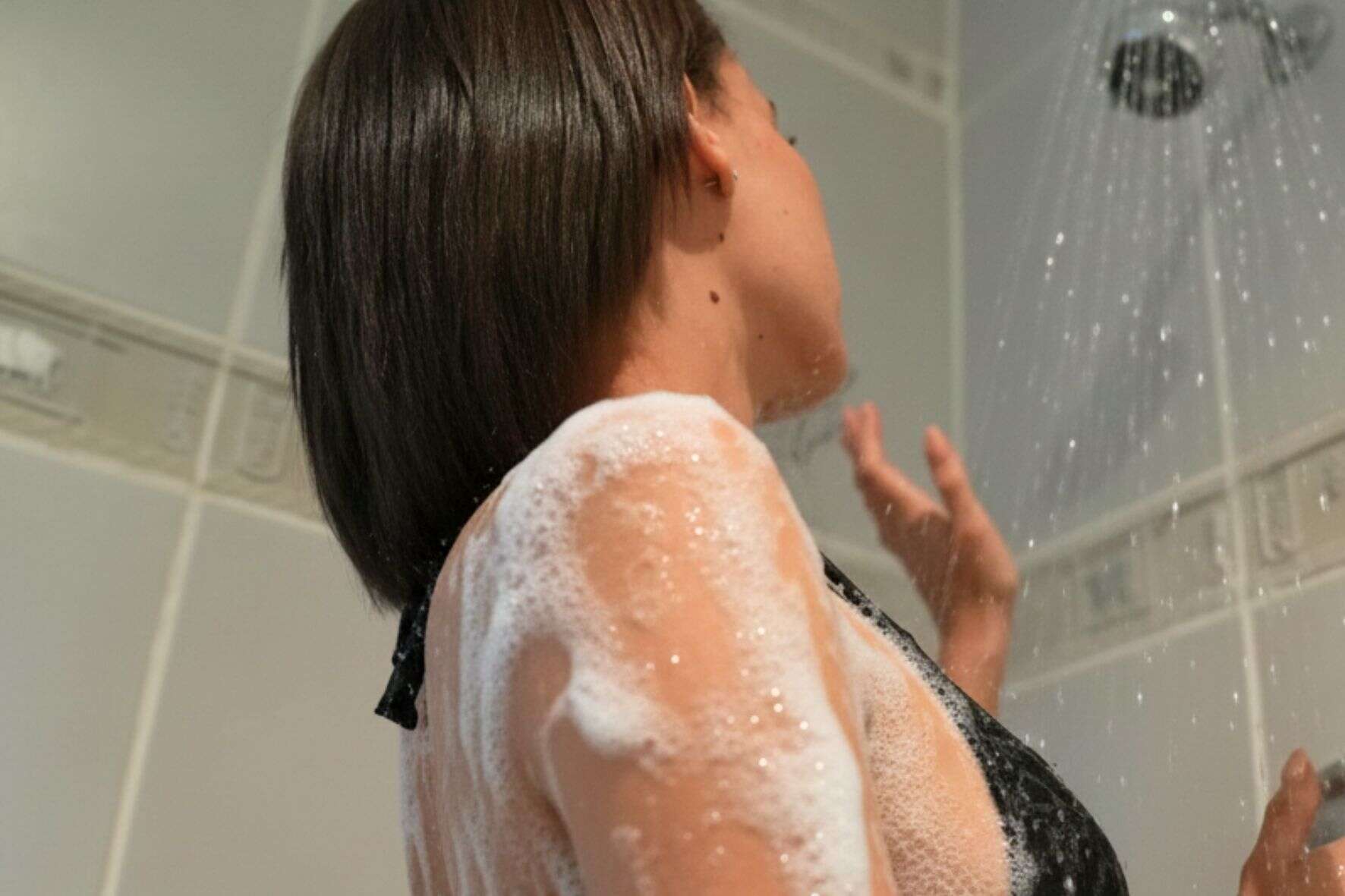
Research into microbiomes and their form and function is growing. Antibacterial products do not only target harmful germs. They also remove helpful bacteria that compete with and suppress less-friendly species.
Dr Pretorius said that frequent hot showers and strong soaps can strip away the lipids that hold the barrier together.
“Hot water increases water loss from the skin, and harsh cleansers disturb the skin’s pH and lipid balance. Dryness and tightness can appear within days. Over time, you can see sensitivity, inflammation and flare-ups.”
The squeaky-clean feeling you get after stepping out of the shower may actually be a sign that your skin is under stress.
Skin stress feels like squeaky clean
Dermatologists refer to severe dryness as xerosis. Studies have linked over-washing to redness, itching and microscopic cracking in the skin. Those tiny breaks can make it easier for allergens, bacteria and viruses to enter. Some research also connects a weakened skin barrier to eczema and psoriasis flare-ups in susceptible people.
For people with eczema, psoriasis or chronically dry skin, less frequent showering can be beneficial. “Short, lukewarm showers a few times a week are often better than long, hot daily showers,” Pretorius said. “Over-cleansing and aggressive scrubbing usually make these conditions worse.”
Also Read: Why your R1 200 skincare cream may do the same job as a R 99 one.
“The skin microbiome plays a role in immune defence and inflammation control,” Dr Pretorius said. “If you repeatedly disturb it, you weaken natural defence mechanisms and can become more prone to infections and allergic reactions.”
This does not mean people should abandon any kind of hygiene routine; it simply suggests that more is not always better. However, there is no universal rule because factors such as lifestyle and climate affect this. Someone who exercises daily, works a physically demanding job, or lives in a hot, humid environment may need to wash more frequently. The key is to be gentle with your skin.
Be gentle with your skin
Kutcher and Kunis noted that their routine involved giving daily TLC to the armpits, groin, and what they called slits with soap. Kutcher also showers.
How you shower matters as much as how often you shower. Research showed that experts warn that hot water dissolves skin oils more effectively than lukewarm water. Long, steamy showers seem to make it worse.
Many dermatologists suggest keeping showers to five to ten minutes and using gentle, fragrance-free, pH-balanced cleansers.
Dr Pretorius said most people also overuse soap. “Soap is really only needed in areas that sweat or trap odour, like the underarms and groin,” she said. “Using strong cleansers over the entire body every day is one of the biggest mistakes I see.”

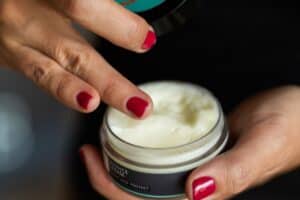
The value of moisturising cannot be overstated either. Applying a moisturiser within minutes of bathing or showering helps seal in moisture and support the skin’s natural barrier, which is still slightly damp.
Kutcher and Kunis also said they only bathe their kids when visibly dirty. Reality is that children’s skin is thinner and more vulnerable than adult skin.
“For young children, bathing two to three times a week is generally enough unless they are visibly dirty. The aim is to keep them clean without compromising a developing skin barrier,” Dr Pretorius said.
Now Read: Kaminskys: Husband and wife team heavily rely on talent