



It may sparkle but the porcelain can harbour harm. Toilets can spread germs faster than you might think. Here's why.
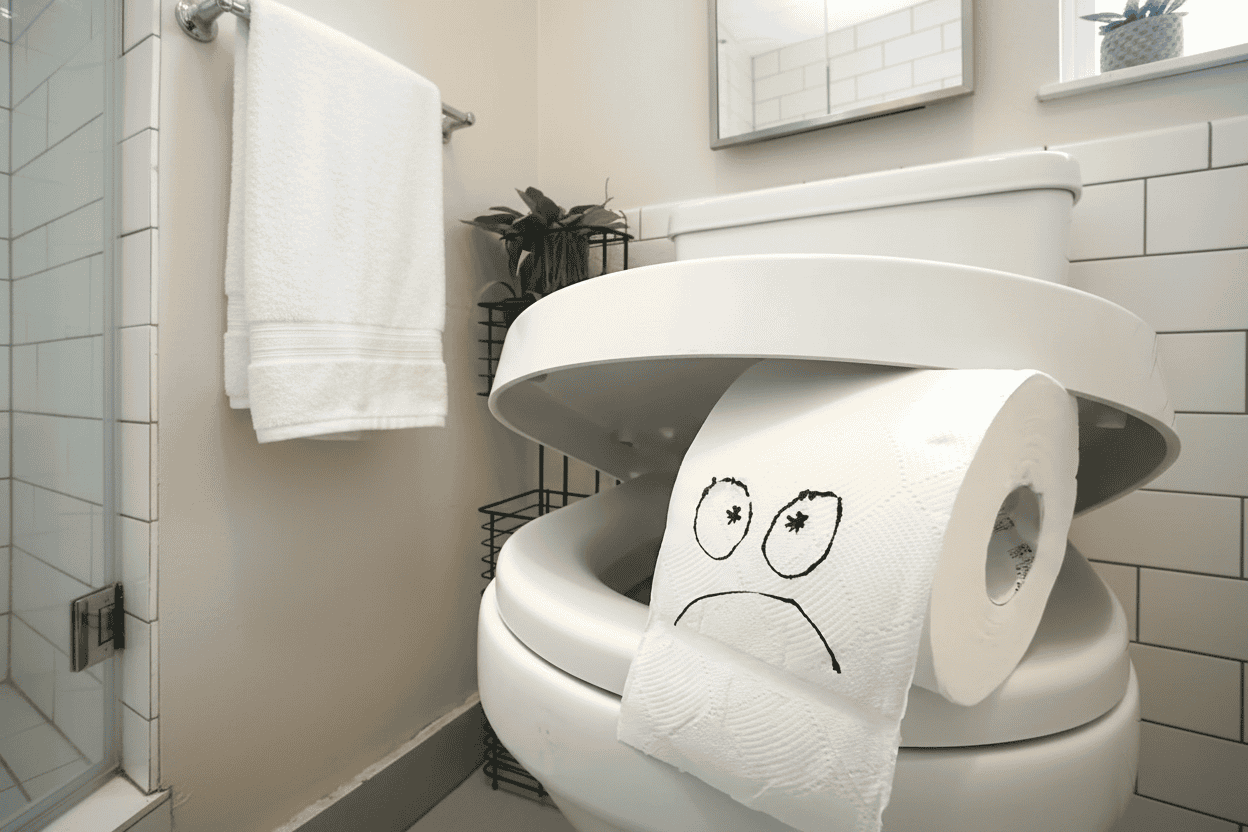
Gremlins of flushing. Picture: Hein Kaiser


Flushing the loo is not something we think about at all. It is an automatic postscript to number one and number two.
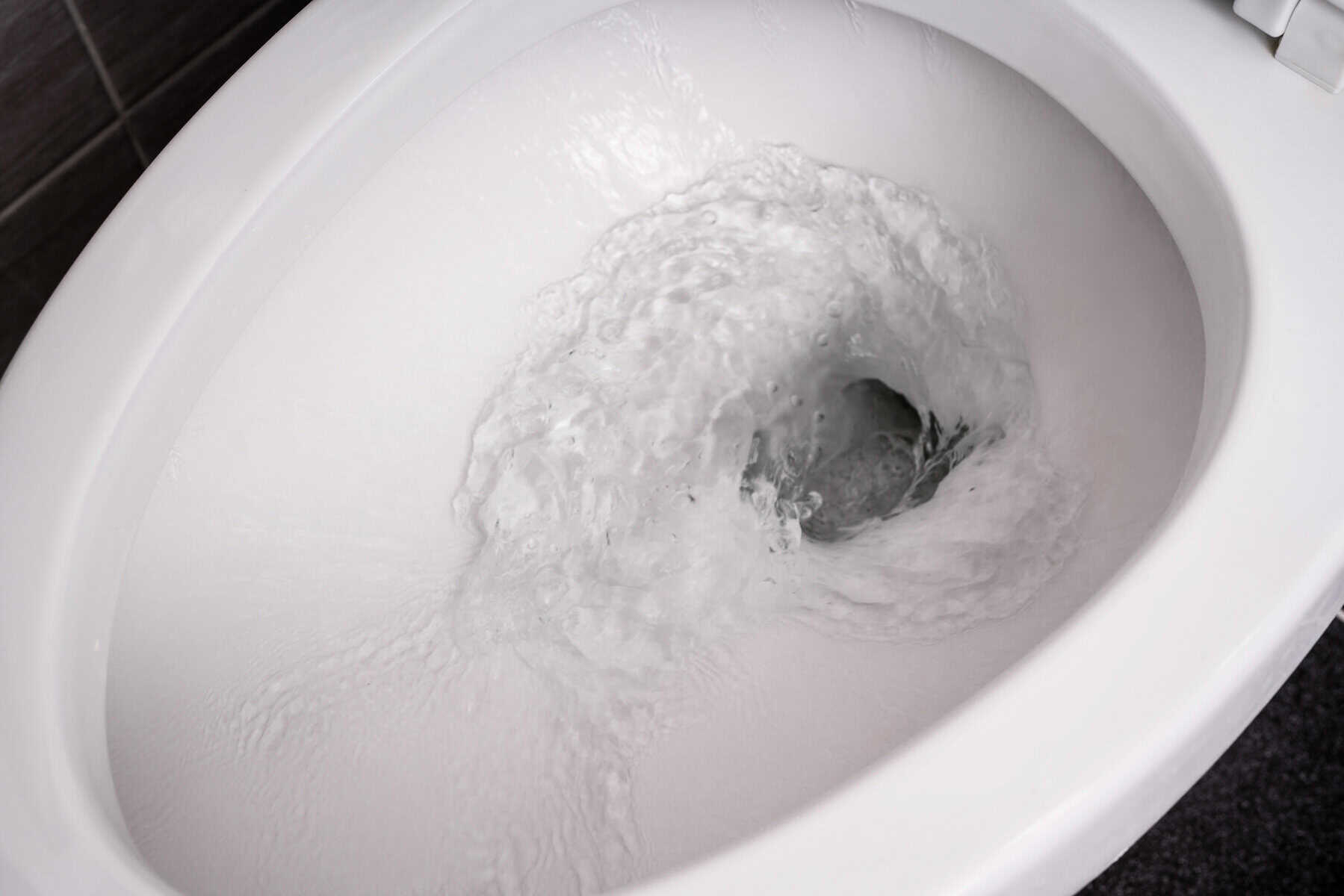
But recent studies have shown that the whirlpool at the bottom of the loo can create an invisible cloud of danger in the bathroom. It is called a plume and it can distribute a small storm of bacteria and viruses into the privy, settling on anything in its path.
When you press flush, the water washes out the bowl. Research has shown that the force from flushing can send aerosols, tiny particles of water and whatever else was in the bowl, shooting up almost 1.5 metres into the air. That is nose-and-mouth height for many.
A study at the University of Colorado Boulder found that this can happen within eight seconds, and when you lean in to check whether the flush removed everything blush-worthy, germs could already be well on their way into your system.
Like a thunderstorm, this teeny invisible cloud of gunk is not stationary.
It moves and, according to the study, can travel horizontally for several metres. The largest and heaviest particles land first. Imagine where that could be in your own bathroom. Towels, the sink, the edge of the bath and even a toothbrush that may be too close for comfort.
The study suggested that the smallest particles in this cloud of yuck can remain airborne for up to 10 minutes.
Germs can remain airborne for 10 minutes
Now teleport yourself to a public toilet. There are multiple stalls and several urinals for men, too.
A busy facility can leave a near-constant cloud of plume swishing around in the loos. One person’s flush can spread quickly, landing on public surfaces and leaving the smaller bits lingering long enough to be inhaled by visitors.
This can extend to the taps you use to wash your hands, if they are in range.
But before you scrub every surface in the loo after a poo, Dr Jonathan Redelinghuys said it is quite unlikely that every flush will make you sick.
“The chances are generally low unless someone with a contagious disease has recently used the toilet,” he said.
This could include the spread of norovirus, a highly contagious bug that spreads gastro rapidly through contaminated food, water, surfaces, or direct contact, causing vomiting, diarrhoea and stomach cramps.
A bacterium like Shigella lives on surfaces and can cause major illness and it only needs about 10 little critters to mount an attack on your body and infect you.
Shigellosis can then occur, a bacterial infection of the intestines.
ALSO READ: Love bombing can leave you wrecked. Here’s why
Contagions are easily spread
“Other nasties require thousands of soldiers before they could make you sick,” Redelinghuys said.
“Some bacteria, like Salmonella, are more likely to infect a person through food-borne transmission as they require ingestion of much larger quantities of bacteria.”
Closing the toilet lid before you flush can reduce the army of airborne particles by up to 48% and prevent germs on surfaces by 76%, according to the University of Colorado Boulder study.
But, said Redelinghuys, this of course, does not entirely eliminate the bug challenge.
The small gaps between the lid and the seat, and between the seat and the bowl, are where the nasties can still escape.
Viruses seem unstoppable, able to clamber out of almost any environment.
“This is why it is best not to touch anything grim in bathrooms, especially public facilities,” said Redelinghuys. “If you are not careful, the trouble can start.”
Take care, don’t let trouble brew in a loo
This is why some public bathrooms, like those on MSC Cruise ships, recommend using a paper towel when touching surfaces, including the door handle.
“And remember to wash your hands for at least 20 seconds. If there is sanitiser available, use that after touching any surface,” he added. This is especially important if you have touched door handles, toilet paper or anything in a shared bathroom.
“Give your toothbrush a new home too,” suggested Redelinghuys. “Behind closed doors in a cabinet can avoid any chance of you brushing your teeth with little surprises that used to be in the toilet bowl.”
NOW READ: Designer babies are closer to reality than you think
Support Local Journalism
Add The Citizen as a Preferred Source on Google and follow us on Google News to see more of our trusted reporting in Google News and Top Stories.

