



Thinking of buying collagen supplements? Here's what the science says about skin, joints, ageing claims and what collagen can really do.
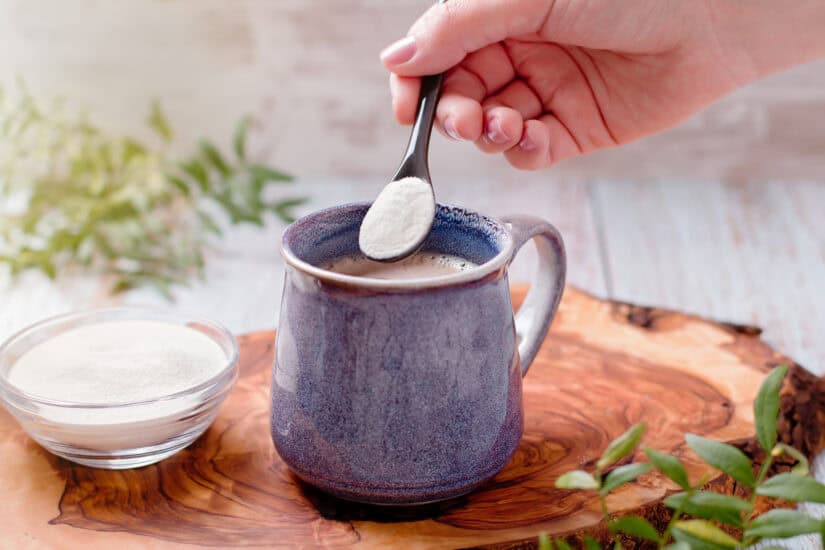
Collagen may not shoot the lights out. Picture iStock


Ageing is big business, and humans, being humans, spend a lot on looking younger. There’s a powder, pill, potion or promise for almost every wrinkle, aching joint and bit of middle-aged machinery that doesn’t work quite like it used to or is supposed to. Social media timelines have exacerbated the pressure, turned up the volume and banished earplugs to shield anyone from it. Collagen, vitamins, protein and a growing shopping list of supplements are sold as weapons in the war against the age-gremlins.
Wellness entrepreneur and Youthology founder Deborah Good said supplements do have a place, but they are not magic, and you cannot supplement your way out of bad habits. There’s a line between what science says and what clever marketing would like consumers to believe.”Supplements are exactly what their name suggests: they should supplement a healthy lifestyle, not attempt to replace one, ” said Good.
Protein supplements can help people reach their daily protein requirements, while Good said creatine has “a substantial evidence base for supporting strength and muscle function, particularly when combined with resistance exercise”. Vitamins and minerals, she added, can also be useful when someone’s diet is inadequate, or a deficiency exists. Evidence around some collagen peptides and skin and musculoskeletal outcomes is growing. But a tub of something expensive in cute packaging cannot cancel out what happens during the rest of the day. “No supplement compensates for smoking, excessive alcohol, chronic inactivity, poor nutrition or consistently inadequate sleep. And no capsule or powder can reproduce the physiological stimulus of actually using your muscles,” Good said.
Rather use your muscles
“Where I think the wellness industry sometimes gets ahead of the science is when a promising biological mechanism is turned into an enormous human claim,” she said. “Something working in a laboratory, or affecting a biomarker, does not automatically mean it will meaningfully extend lifespan or prevent disease in humans.” Words like “reverses ageing”, “detoxifies”, “resets” and “age-defying” should therefore raise an eyebrow rather than open a wallet.
Collagen, another darling of the wellness world, is also more complicated than simply swallowing what the body has lost. “When you consume collagen, it does not travel intact to your face, knee or hip and simply ‘replace’ the collagen that has been lost,” Good said.
Instead, collagen is digested into amino acids and small peptides which the body can use as building materials. It is particularly rich in glycine, proline and hydroxyproline, amino acids found in the body’s own collagen-rich tissues.
Good sources of traditional foods, including slow-cooked connective tissue, gelatin and bone broth, can also provide collagen and its amino acids. Collagen peptides are a convenient, more standardised way to add them to a modern diet. Randomised controlled trials and systematic reviews have reported improvements in measures such as skin hydration and elasticity with hydrolysed collagen supplementation, while other research suggests possible benefits for joints and connective tissue.”Study quality varies, however, and some reviews have highlighted industry funding and methodological limitations,” Good said. “This is not a field in which we should pretend every question has been settled.”
Nothing shoots the lights out overnight
Expectations should therefore remain on planet Earth, not shoot for the stars, because nothing shoots the lights out just like that. “Collagen is not a facelift in a scoop, and it will not rebuild decades of lost tissue overnight,” Good said and added that some people may experience modest improvements in skin hydration or elasticity after consistent use over several months, while others may experience improvements in joint comfort or connective-tissue support. “Most of the highest-impact interventions are surprisingly accessible: walk, challenge your muscles, eat well, sleep, don’t smoke and stay connected.”



