


In South Africa, the BMW Gusheshe transcends motoring, standing as a national symbol of culture, status and heritage.
In South Africa, few cars command the same reverence as the BMW “Gusheshe”.
Decades after it first hit local roads, this classic vehicle remains one of the most recognisable and respected status symbols in the country, bridging generations, lifestyles and creative industries.

The name ‘Gusheshe’ refers to the BMW 325i E30, a performance-driven model from BMW’s third-generation 3 Series produced in the late 1980s and early 1990s.
Locally, the nickname emerged from the car’s distinctive engine note and aggressive exhaust sound. Over time, the word “Gusheshe” evolved into cultural shorthand for power, prestige and street credibility.
Statement of arrival
Owning a ‘Gusheshe‘ in South Africa has long symbolised success.
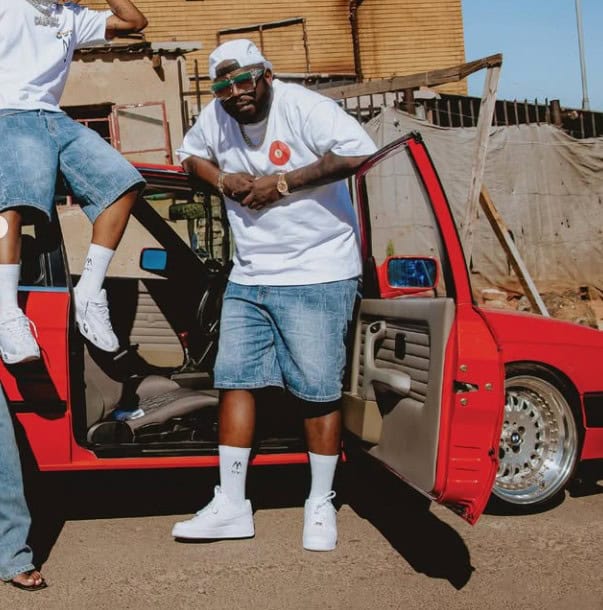
Whether parked at a car wash, rolling through a township street or showcased at a spinning event, the car signals achievement and confidence.
Restoring and maintaining one requires patience, resources and technical know-how, which only adds to its elite reputation.
Unlike modern luxury cars packed with technology, the ‘Gusheshe’ offers a raw driving experience. Rear-wheel drive, mechanical precision and minimal electronic assistance make it a favourite for skilled drivers and spinning legends alike.
From local streets to global screens
The BMW ‘Gusheshe’ recently captured global attention when international content creator IShowSpeed visited South Africa. During his stay, he joined a lively car parade and later participated in a spinning session in the iconic ‘Gusheshe’ with acclaimed spinner Samkeliso ‘Sam Sam’ Thubane.
The viral moment showcased more than entertainment. It highlighted a uniquely South African car culture, where precision driving, performance and personality meet.
For many viewers worldwide, it was an introduction to a vehicle that carries deep local meaning.
A celebrity collector’s fav
The ‘Gusheshe’s’ influence is amplified by its presence in celebrity culture.
Music stars such as Maphorisa and Kabza De Small have embraced the car as part of their success narrative, closely linking it to the Amapiano movement’s luxury aesthetic.
Big Zulu’s association with the vehicle reflects its cultural pride, while SAMA award-winning rapper Priddy Ugly’s interest speaks to its timeless artistic appeal.
For these artists, the ‘Gusheshe’ is not about nostalgia alone. It represents ambition fulfilled and roots remembered.
Fashion, music and cultural currency
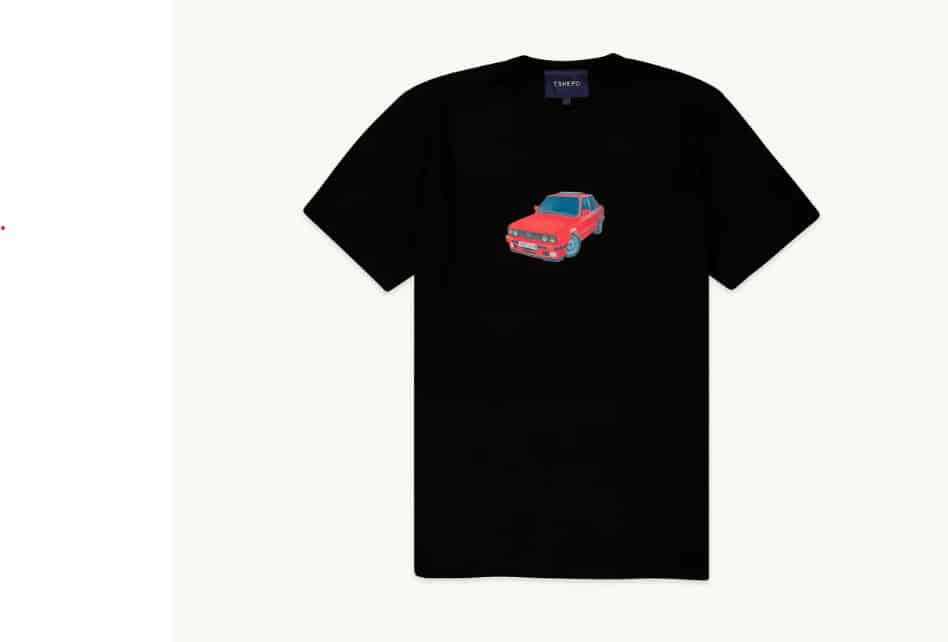
The ‘Gusheshe’ has also become a powerful symbol in fashion and music.
Local fashion brand Tshepo Jeans has used the car as imagery, aligning its rugged elegance with themes of heritage and identity.
In music, Cassper Nyovest’s song titled Gusheshe transformed the vehicle into a lyrical emblem of success and celebration.
Mentioning the car in song or visuals immediately evokes images of spinning tyres, roaring engines and community admiration.
It was also prominent in the controversial youth television SABC’s Yizo-Yizo and the popular Netflix series How to Ruin Christmas.
More than a car
For many South Africans, the ‘Gusheshe’ holds a deeply personal significance. It recalls childhood memories, weekend gatherings and the sound of engines echoing through neighbourhoods.
It reflects a period when self-expression found its voice through cars, music, and style.
Though engineered in Germany, the ‘Gusheshe’ has been culturally reimagined in South Africa.
That transformation has elevated it from classic car to national symbol.
A symbol of legacy
Today, the BMW ‘Gusheshe’ continues to dominate car culture, fashion and popular music. Its influence remains strong, proving that in South Africa, true icons are not measured by age, but by impact.
Support Local Journalism
Add The Citizen as a Preferred Source on Google and follow us on Google News to see more of our trusted reporting in Google News and Top Stories.



