
Big ‘no’ for Joe – Eskom cancels Just Coal contract
Following the strict monitoring of the coal quality of all its suppliers delivering coal to its Tutuka Power Station, Eskom has cancelled its contractual relationship with Just Coal CC, a majority supplier of coal to the power station, due to its consistent supply of inferior coal, Eskom said in a media statement released this week.
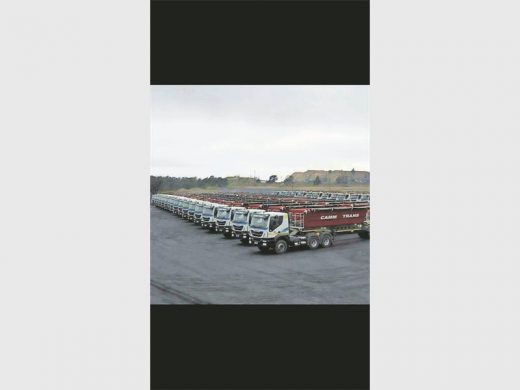
This means that all Camm Trans trucks have come to a standstill.
It follows a report published two weeks ago of the alleged mixing of coal with discard, as claimed by truck drivers and a former plant manager.
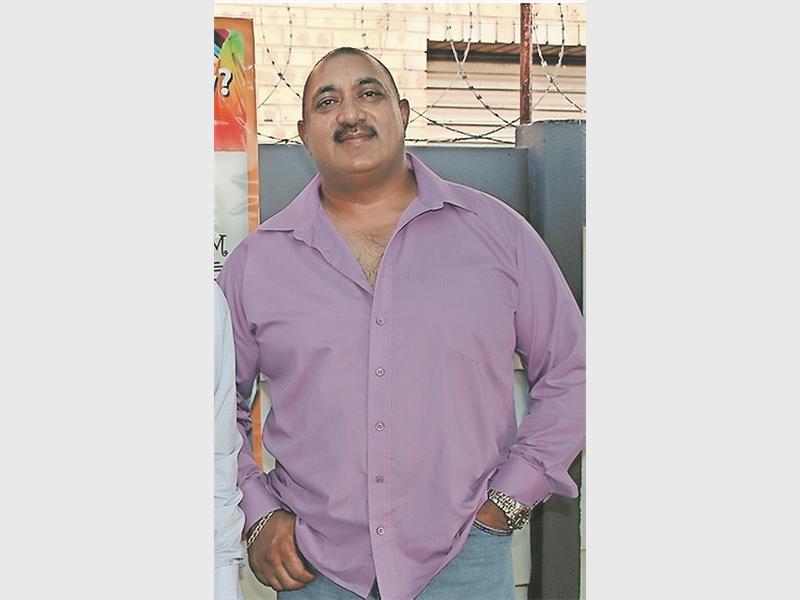
Just Coal is owned by Joe Singh and his business partner, Peet Erasmus.
They previously stated through their lawyers that any investigation by Eskom was denied and that the Power Utility was ordering more coal.
In the media statement, it was stated that Eskom discovered that Just Coal CC was consistently delivering inferior coal. After numerous site visits to the contracted collieries, it was determined that coal supplied to the Tutuka Power Station by Just Coal CC was not extracted from the contracted collieries.
“This is in breach of its contractual obligations to Eskom. The result is that Eskom is burning an unknown combustion characteristic coal resource at its Tutuka Power Station, potentially resulting in load losses,” reacted Matshela Koko, Interim Group Chief Executive.
Read previous stories here:
Comment: Eskom investigating Joe Singh
Koko added that in an effort to resolve the issue, Eskom requested technical information such as mine layouts and in situ coal qualities from Just Coal CC. “The information provided did not adequately address Eskom’s concerns.”
KoKo stated: “On 16 March 2017, we had placed Just Coal in breach of its contractual obligations and requested additional technical information. We then afforded them until 23 March 2017 to provide the technical information and remedy the breach and they failed to do so.”

“Eskom is intolerant of any deviations from the prescribed standards and processes. This, quite plainly, amounts to corruptions, which we cannot condone in any part of our business.
As a state entity, there is an innate expectation to be prudent and corruption-free in how we conduct our business,” concluded Koko.