
The birth of the Baobab
The new year sees the dawn of an exciting new conservation venture – a partnership between Mpumalanga Tourism and Parks Agency (MTPA), Mabula Ground Hornbill Project (MGHP) and the new landowners: Rampholodi CPA, Dindela CPA and Mmamarumo CPA.
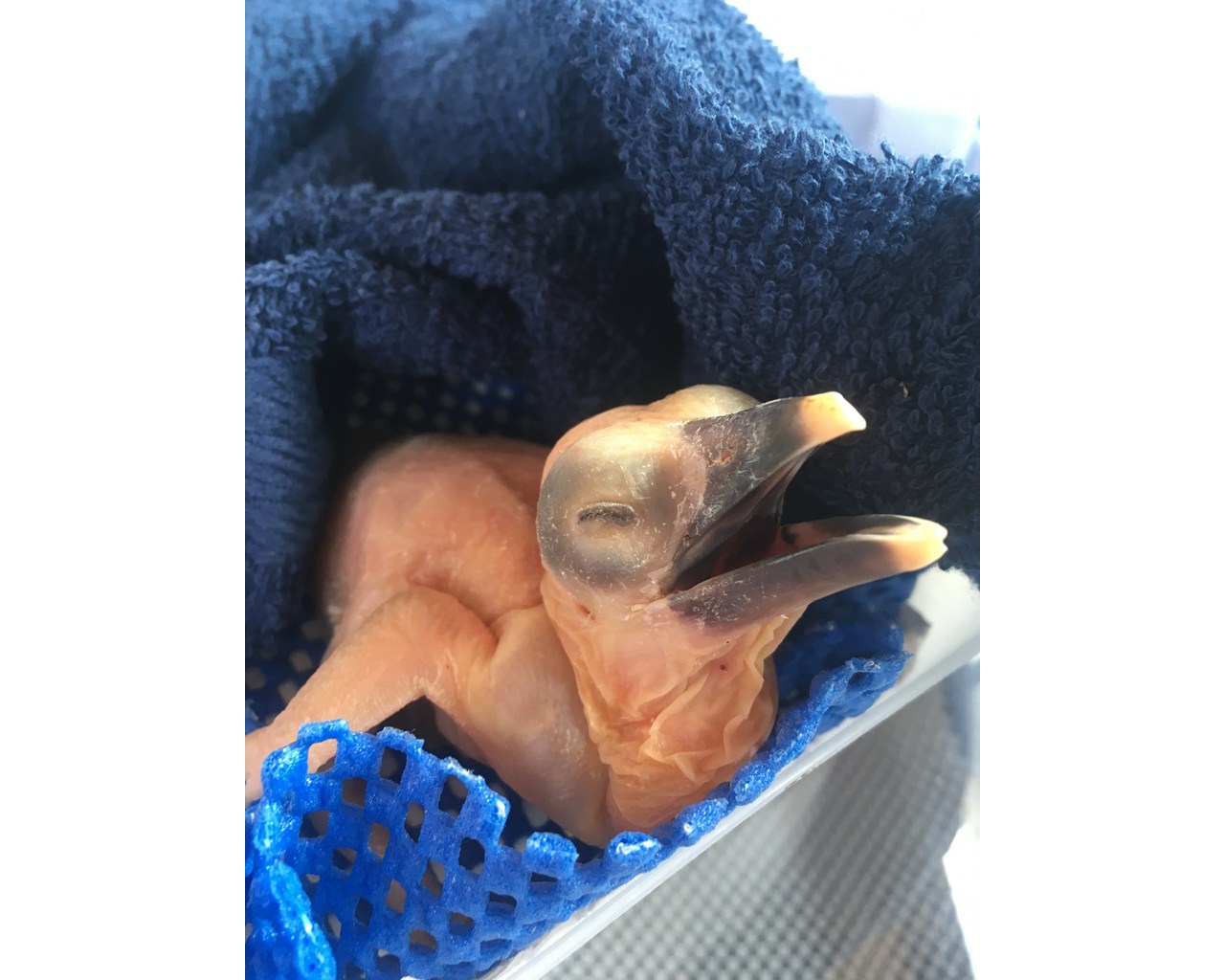
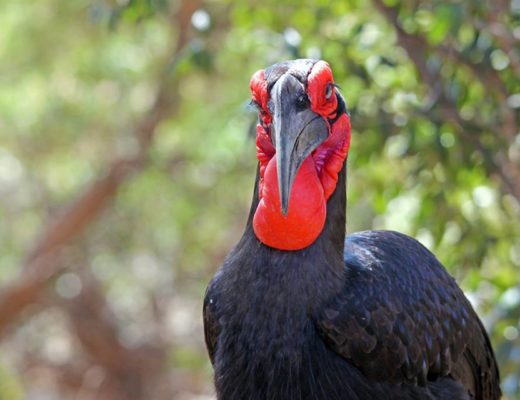
This is a vital step in turning things around for the endangered southern ground-hornbill, also known throughout its range as the Thunderbird.
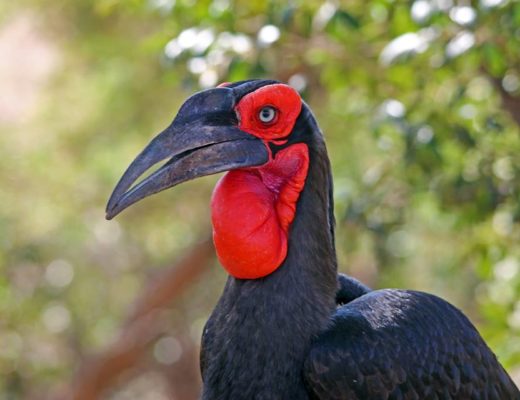
The species breeds slowly and, as a consequence, populations cannot keep up with the myriad of anthropogenic threats:
- secondary poisoning from baits left out for so-called ‘pest’ like jackal, hyenas and hunting dogs;
- lead toxicosis from hunters still using lead ammunition in wild places,
- electrocution on electrical infrastructure and trade, both for the agriculture trade but also for traditional cultural practices, specifically in times of drought,
- persecution for breaking windows.
One of the conservation tools being used to try and slow the decline of the Thunderbird is the use of conservation reintroductions, carefully planned using the IUCN Reintroduction Guidelines.
The birds only ever raise one of the two chicks that usually hatch, and so taking the chick that would naturally die and rear it is a way of growing a whole new population.
This is done without in any way negatively affecting the existing population. These chicks have been reared by Delecia Gunn, Senior Conservationist at Loskop Dam Nature Reserve since 2006.
This new formal partnership is going to grow the scope of the project beyond experimental, to a stage where 15 high-quality healthy and well-adjusted chicks, can be reared annually to start rebuilding locally extinct populations.
Construction of a specialised hand-rearing facility will begin in January, under the expertise of Rampholodi Building Construction and Projects CC, with members of the communities assisting with the management and construction of the facility.
Gareth Leonard provided all the architectural planning pro bono – a generous personal contribution to conservation in itself too.
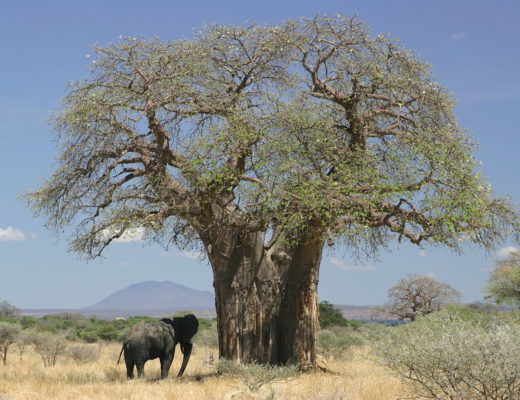
It is called the Baobab as the design emulates that great iconic tree of the African savanna and this single tree will house a number of artificial nests from which the hand-reared chicks will fledge.
It is this kind of community-conservation project that is the future of conservation in this country and it’s hoping to be a model project for how people need to take part in wildlife conservation solutions.
This project still needs support and if anyone would like to contribute a shipping container for storage, or any medical supplies – particularly stainless steel tables and shelving, we would be extremely grateful.
If you are interested in supporting this initiative in any way please contact Dr Lucy Kemp on project@ground-hornbill.org.za.
Other conservation news:
Foto’s: Natuurliefhebbers sal nie hieroor brom nie
The Greater Lakenvlei Protected Enviroment
‘Extinct’ Myanmar bird rediscovered after 73 years