Silence from SANRAL as deadly as accidents in Kranspoort Pass
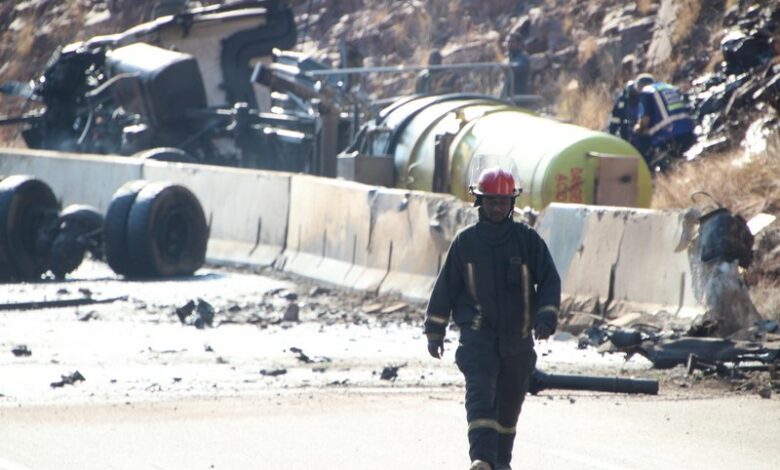
A meeting held between SANRAL and Loskop community stakeholders saw some heated engagement from residents who demand that interim measures should be implemented to minimise ongoing accidents and the enormous impact they have on the environment, while the community waits upon the promised compulsory stop for heavy motor vehicles at the top of Kranspoort Pass.
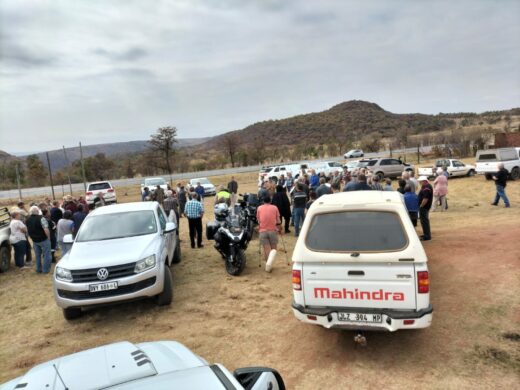
The meeting was held this morning (Wednesday) and saw a large turn out of community members, as well as key role players, which included the Provincial Department of Traffic, SANRAL, ward councillors from the DA and MHRF, Spill Tech, as well as the Mpumalanga Tourism and Parks Agency.
The community argued that additional safety measures should be implemented during the design phase of the compulsory stop, which is expected to come to fruition in January 2024.
During the meeting, the community stakeholders listed various interim measures they are now demanding SANRAL put in place, as well as a time frame in which these measures should take effect.
The measures included the following:
• A construction-styled stop and go at the top of the pass to force trucks to come to a stop and engage a lower gear before descent.
• The diversion of all heavy motor vehicles to the Middelburg weighbridge, which needs to be operational on a daily basis so traffic officials can monitor compliance of permits, roadworthiness and load capacity for truck drivers.
• A total ban on trucks carrying hazardous chemicals, which should then be diverted to the N4 and N1.
• A locally-based control centre where neutralising agents can be stored to tend to chemical spills.
• Retention ponds or sandbags to contain future chemical spills that contaminate natural water bodies.
• The erection of a digital sign to proactively warn approaching motorists of accidents, road closures and clean-up procedures – where lack of traffic control has been strongly observed during recent incidents.
• The contact details of SANRAL’s environmental officer, who should actively monitor the clean-up of chemical spills as well as the rehabilitation of affected areas.
• That the old spill of sulphuric acid be cleaned effectively.
While residents were forthcoming with suggestions on temporary measures, a deadly silence was observed by SANRAL’s representatives, who could offer little to no feedback on when, if at all, these measures can be put into place.