
If there are eggs, you can’t afford them
The avian flu outbreak has ensured that residents can no longer afford to buy eggs, even if they’re lucky enough to get hold of them, with egg prices doubling since the H7N6 outbreak.
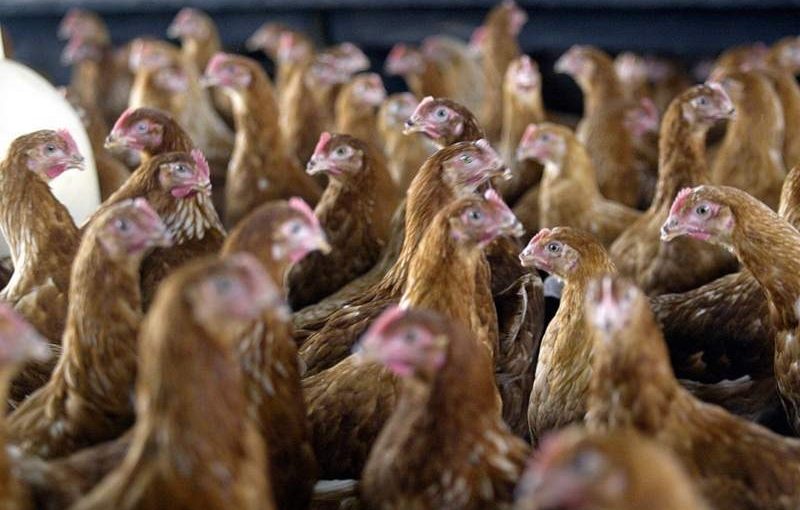
While most retailers in Middelburg still surprisingly have eggs in stock, most of them have erected notices alerting customers of nationwide shortages affecting supplies, as well as limiting options.
Five local retail outlets were visited by a journalist of the Middelburg Observer this morning (Wednesday), where it was noted that the price of eggs has doubled.
The current price range for large eggs is as follows:
6s: R18 to R23
12s: R40
18s: R60 to R65
30s: R100 to R106
60s: R205 to R209
Chicken prices have also skyrocketed after the virus has mowed down the nationwide broiler population.
Residents should brace themselves for the possibility that prices could increase further after an interview with the Chairperson of the South African Veterinary Association’s Poultry Group, Dr Wilhelm Maré, warned that vaccination against the virus will cause a spike in prices.
“In the long term, vaccination will be important in preventing a reoccurrence of this outbreak. While there are no approved vaccines against H7N6 currently available in South Africa, a local laboratory is in the process of manufacturing an inactivated vaccine from a local strain. The manufacture of this vaccine is only estimated to be completed in January 2024, as it still needs to be registered,” Dr Maré stated in the interview.
He added that the Department of Agriculture, Land Reform and Rural Development has confirmed that a registered vaccine against H7N6 in Mexico will be evaluated for registration under Act 36 of 1947 and that the Department has fast-tracked the registration of the vaccine, but the distribution thereof will be managed by the government under special conditions and testing – a process which at present is more costly than the vaccine itself.
“This will also affect the price of eggs and chicken.”
According to Dr Maré, the poultry industry has lost approximately 30 per cent of its broiler breeding stock, 50 per cent of its layer breeding stock and 30 per cent of all commercial layers to date.
• Gauteng, parts of Mpumalanga, Limpopo and the North West are currently affected by H7N6, where an estimated 7.2 million infected chickens have been culled, and a total of 11 million chickens have been affected by the outbreak.
This data includes 33 broiler breeder farms, six layer breeder farms and 47 layer farms in the country, according to the association’s figures.