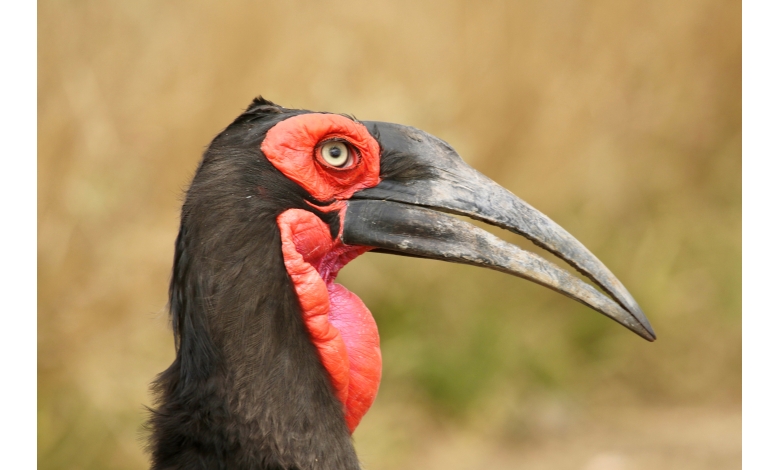
For generations, the deep, booming call of the Southern ground hornbill has echoed through African folklore.
Some believe it warns of misfortune.
Others see it as a sign that rain is on its way.
At Loskop Dam Nature Reserve outside Middelburg, conservationists are rewriting the story of these birds.
A breeding pair of endangered Southern ground hornbills has been released in the Loskop valley, where WeWild Africa earlier this year established its third release site for the species.
The project has the ground-hornbill.org.za, WeWild Africa and the Mpumalanga Tourism and Parks Agency working side by side, on a mission to save the species in the province.
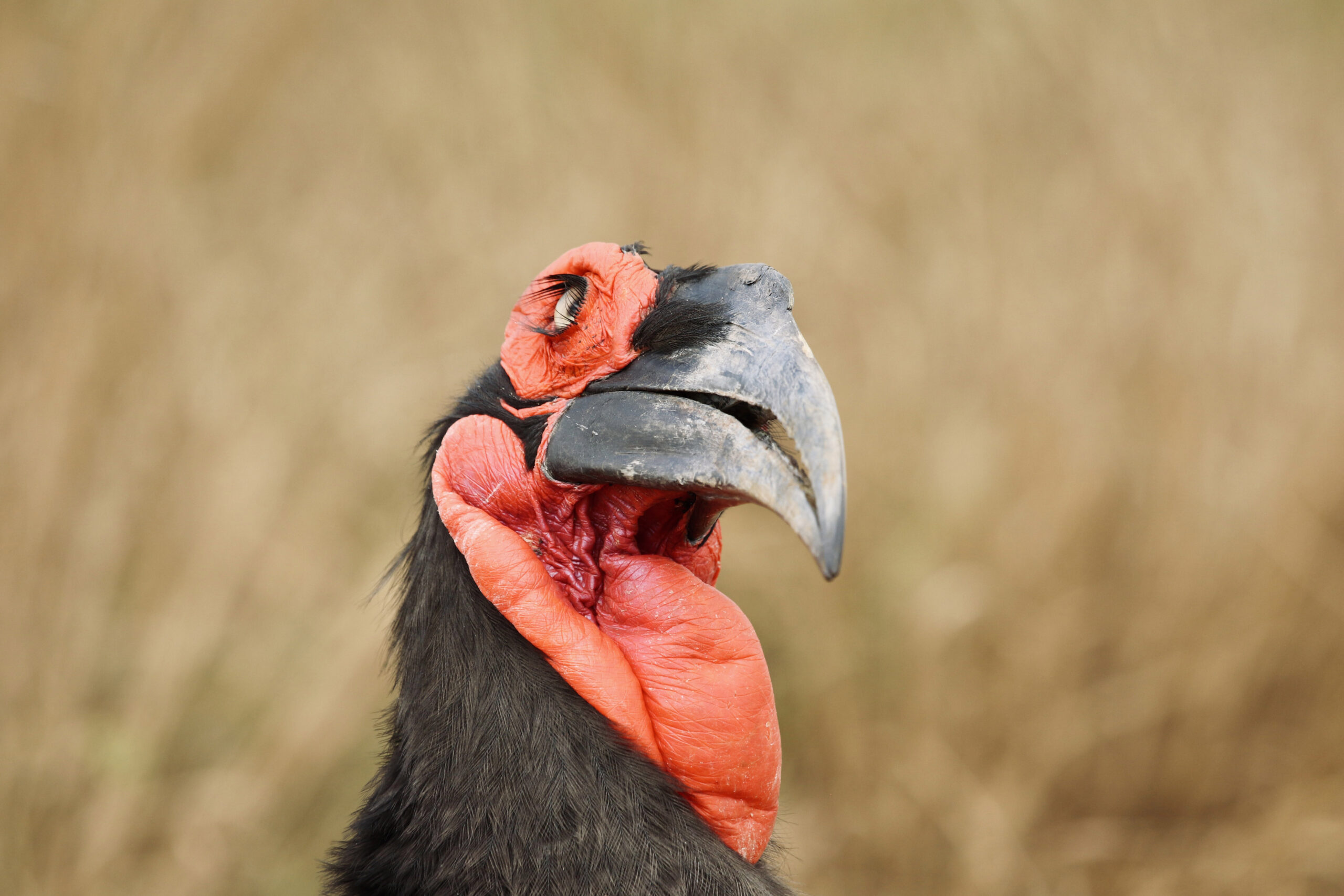
Before their release, the birds spent four weeks in a collapsible aviary, basically a little love nest, which helped them become familiar with their surroundings before being welcomed into the wild.
Luckily, only the female was fitted with a lightweight VHF radio transmitter. Since the male was already familiar with the area, he doesn’t need to be tracked.
Following every step
The transmitter is attached to a healthy, fully grown tail feather using a specialised adhesive before being secured with small cable ties. Although the procedure takes only a few minutes, handling places the bird under stress.
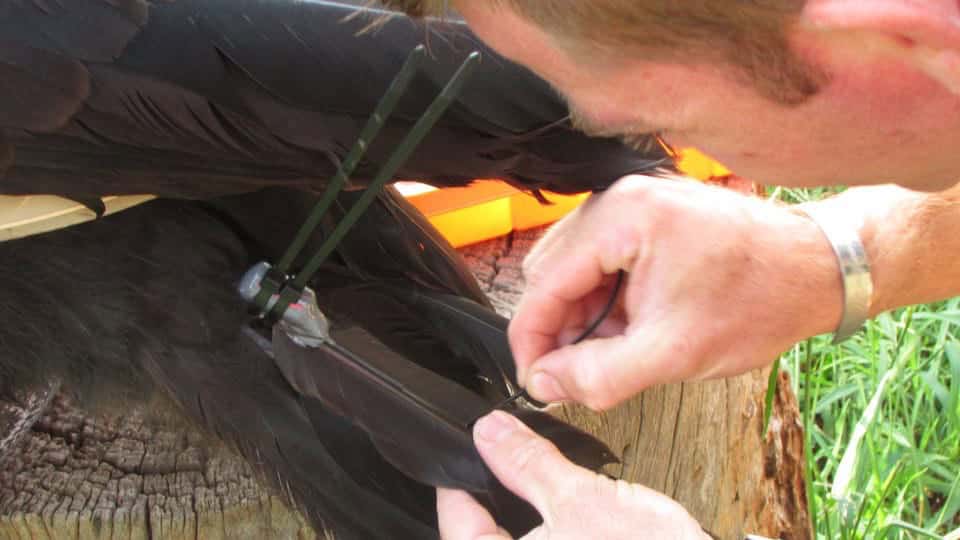
The pair was, therefore, left undisturbed for several days before being released.
Transmitting allows researchers to monitor the female’s movements, see how the birds use their new territory and follow how they settle into the reserve.
Feathers and folklore
Long before researchers began fitting radio transmitters, Southern ground hornbills featured in folklore across South Africa.
While some communities regard them as a warning of misfortune, others believe their deep calls announced rain or the changing of the season.
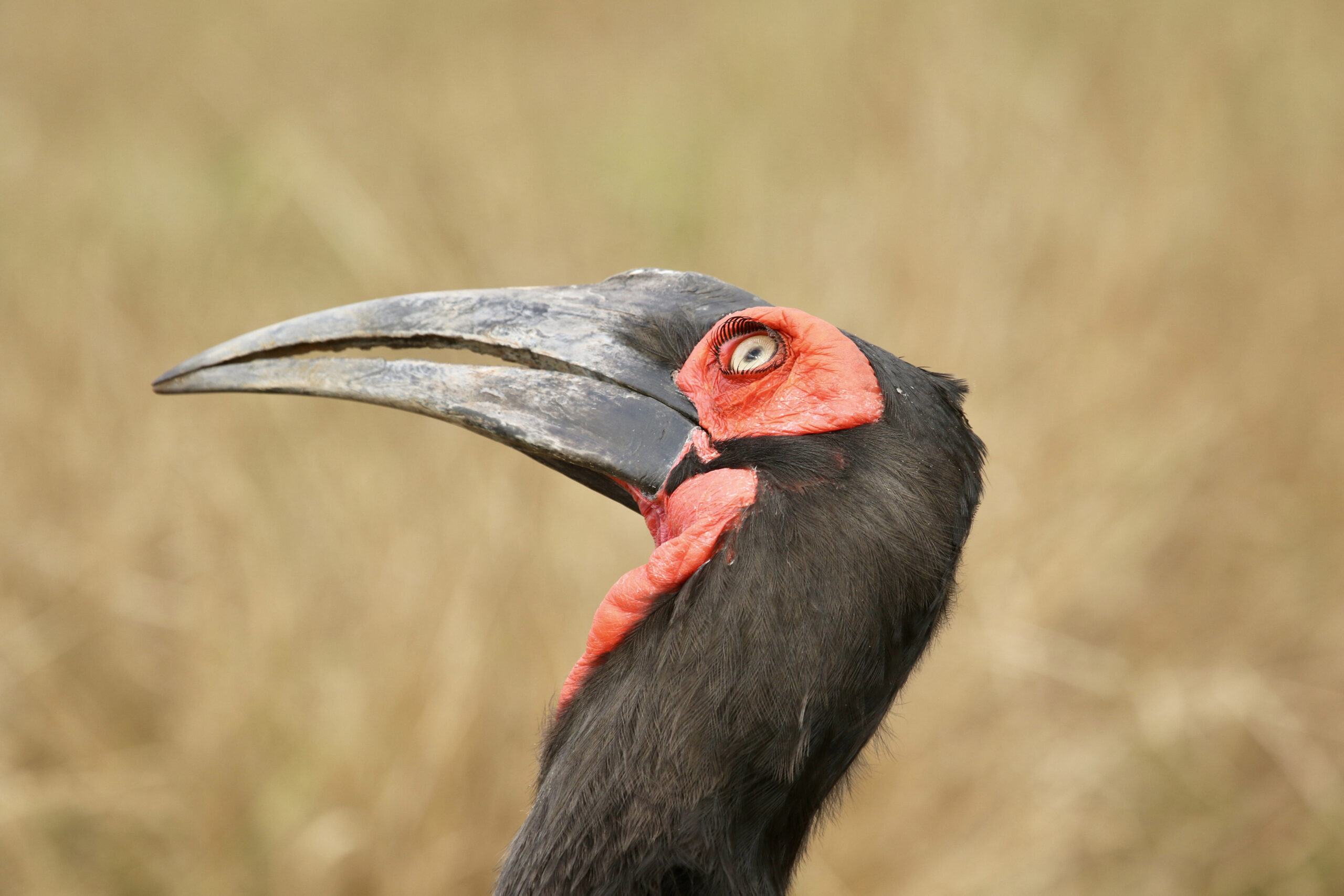
Southern ground hornbills are listed as endangered in South Africa. Habitat loss, climate change and low breeding success are leading to extremely low numbers. WeWild Africa gave a special shout-out to conservation specialist Delecia Gunn for co-ordinating the fitting and said that they will continue to support the Mabula Ground Hornbill Project.
Visitors to Loskop Dam Nature Reserve may hear the birds before they spot them, as their deep, booming calls have echoed through the South African veld for millions of years.
Those same calls can be heard across the reserve, following every movement as the pair begin writing their own love story at Loskop.