Local newsNews

IEC expects 1 million new voters to register for elections

The increase in voting stations reflects not only the increase in wards following the municipal demarcation process but is also part of the on-going efforts by the Electoral Commission to enhance accessibility to voters.
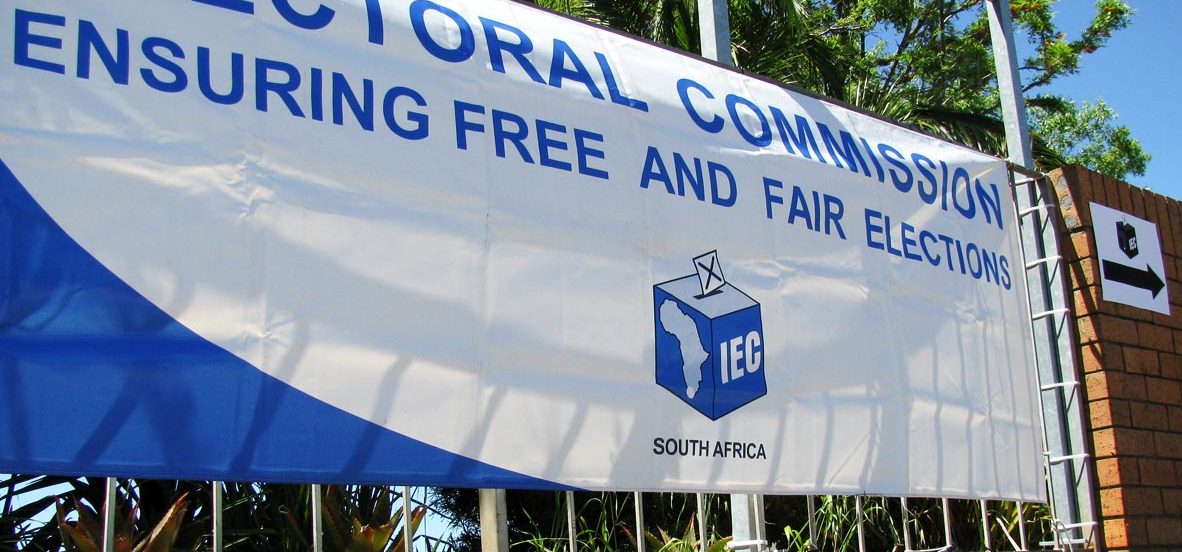
The Independent Electoral Commission (IEC) hopes that at least 1 million new voters will use the opportunity to register before the voters’ roll closes for the 2016 Municipal Elections.

A total of 22 570 voting stations will open this weekend, 1 711 more (8.2 per cent increase) than in the previous municipal elections held in 2011 and 307 more than in 2014 national and provincial elections (when there were 22 263 voting stations).

The voting stations serve voting districts covering 4 392 wards (up 2.7 per cent since 2011 when there were 4 277 wards) in 8 metropolitan councils (unchanged from 2011), 205 local municipalities (compared to 226 in 2011), and 44 district municipalities (unchanged).

The increase in voting stations reflects not only the increase in wards following the municipal demarcation process but is also part of the on-going efforts by the Electoral Commission to enhance accessibility to voters.

Read: Mbombela takes a vote to allow IEC to advertise registration weekend

The increase in voting stations since 2011 has favoured rural provinces with 26,6 per cent of new voting stations in KwaZulu-Natal, 20 per cent in Limpopo, 12,75 per cent in Gauteng, 12.5 percent in the Free State, 9 per cent in North West, 8, 6 per cent in Mpumalanga, 6,5 per cent in Eastern Cape, 3 per cent in Northern Cape and 0.7 per cent increase in the Western Cape.

Registration stations are located at a wide variety of premises which are leased by the Electoral Commission for registration weekends and voting days.  These include schools (65 per cent), community and civic halls (10 per cent), places of worship (8 per cent) and other community venues. Approximately 5 per cent will use temporary facilities including tents and other temporary structures in the absence of fixed structures.

Most of the voting station will be staffed by two officials to assist voters to register quickly and easily bringing to 51 849 the number of officials to be deployed for the weekend. This is a 12 per cent increase from the previous registration weekend held ahead of the 2014 National and Provincial Elections in November 2013.

Voting station staff is identifiable by their white t-shirts bearing the IEC logo on the front and 2016 Municipal Elections logo and “Register to Vote” on the back.


At Caxton, we employ humans to generate daily fresh news, not AI intervention. Happy reading!

Support local journalism

Add The Citizen as a preferred source to see more from Mpumalanga News in Google News and Top Stories.

Bongani Mashisane

Bongani Mashisane is a journalist and digital content creator who began his career in 2005, working with African News Dimension, TimesLIVE and iNet Bridge.

Related Articles

Local newsNews

IEC expects 1 million new voters to register for elections

The increase in voting stations reflects not only the increase in wards following the municipal demarcation process but is also part of the on-going efforts by the Electoral Commission to enhance accessibility to voters.

The Independent Electoral Commission (IEC) hopes that at least 1 million new voters will use the opportunity to register before the voters’ roll closes for the 2016 Municipal Elections.

A total of 22 570 voting stations will open this weekend, 1 711 more (8.2 per cent increase) than in the previous municipal elections held in 2011 and 307 more than in 2014 national and provincial elections (when there were 22 263 voting stations).

The voting stations serve voting districts covering 4 392 wards (up 2.7 per cent since 2011 when there were 4 277 wards) in 8 metropolitan councils (unchanged from 2011), 205 local municipalities (compared to 226 in 2011), and 44 district municipalities (unchanged).

The increase in voting stations reflects not only the increase in wards following the municipal demarcation process but is also part of the on-going efforts by the Electoral Commission to enhance accessibility to voters.

Read: Mbombela takes a vote to allow IEC to advertise registration weekend

The increase in voting stations since 2011 has favoured rural provinces with 26,6 per cent of new voting stations in KwaZulu-Natal, 20 per cent in Limpopo, 12,75 per cent in Gauteng, 12.5 percent in the Free State, 9 per cent in North West, 8, 6 per cent in Mpumalanga, 6,5 per cent in Eastern Cape, 3 per cent in Northern Cape and 0.7 per cent increase in the Western Cape.

Registration stations are located at a wide variety of premises which are leased by the Electoral Commission for registration weekends and voting days.  These include schools (65 per cent), community and civic halls (10 per cent), places of worship (8 per cent) and other community venues. Approximately 5 per cent will use temporary facilities including tents and other temporary structures in the absence of fixed structures.

Most of the voting station will be staffed by two officials to assist voters to register quickly and easily bringing to 51 849 the number of officials to be deployed for the weekend. This is a 12 per cent increase from the previous registration weekend held ahead of the 2014 National and Provincial Elections in November 2013.

Voting station staff is identifiable by their white t-shirts bearing the IEC logo on the front and 2016 Municipal Elections logo and “Register to Vote” on the back.

At Caxton, we employ humans to generate daily fresh news, not AI intervention. Happy reading!

Support local journalism

Add The Citizen as a preferred source to see more from Mpumalanga News in Google News and Top Stories.

Bongani Mashisane

Bongani Mashisane is a journalist and digital content creator who began his career in 2005, working with African News Dimension, TimesLIVE and iNet Bridge.

Related Articles

Back to top button