
Unpredictable load-shedding is the norm in Standerton
No one in Standerton is unaware of the internal load-shedding, although no one is able to predict exactly when Lekwa Municipality will interrupt power to the community.
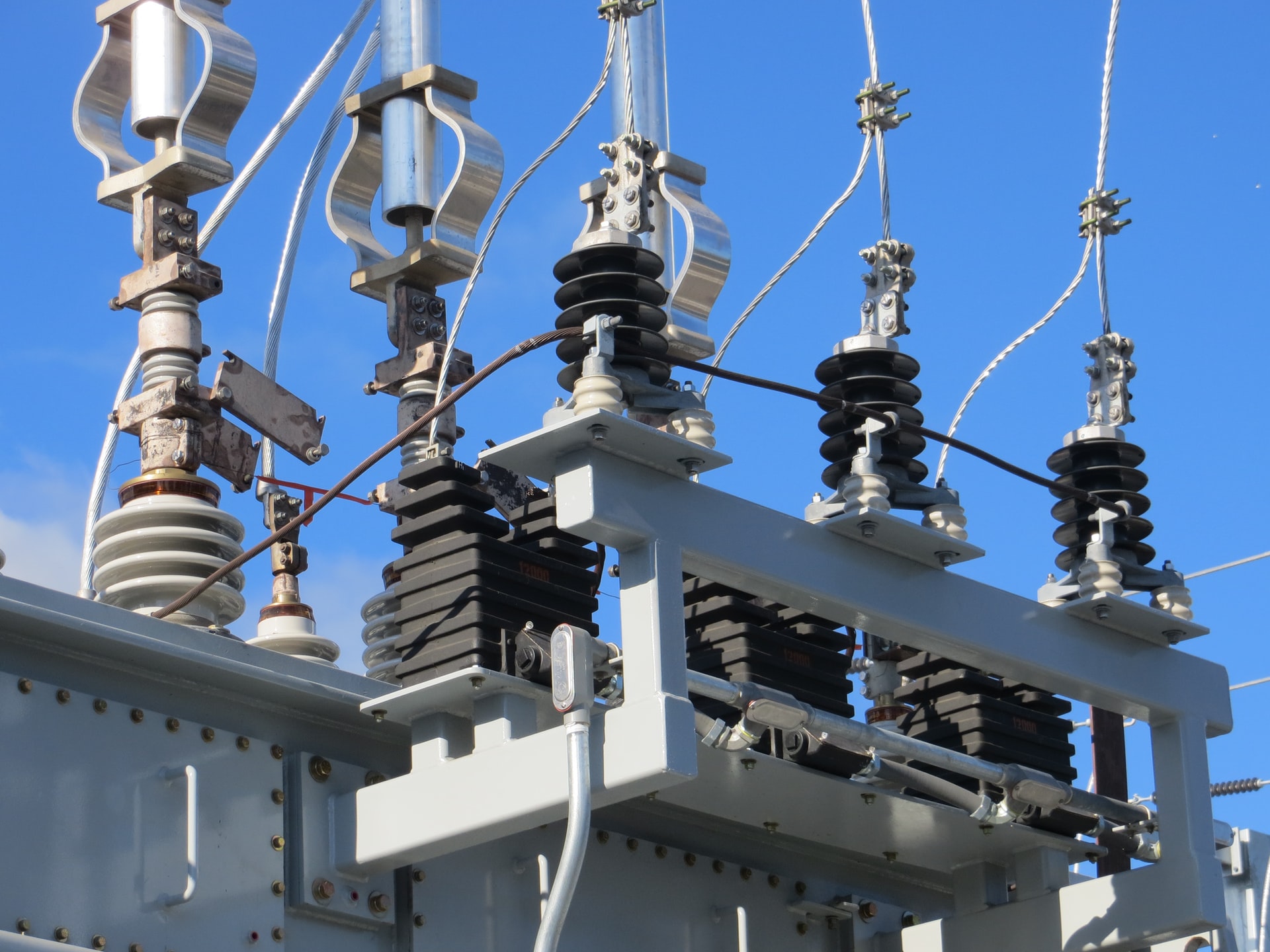
The much-appreciated schedule is no indication for any businessman, housewife, mother or mere mortal to plan accordingly.
WhatsApp-groups are alive with activity, questions and complaints at a given time.
The standard response from Lekwa about electricity interruptions at 18:00 on weekdays, is overloading.
The Eskom-situation with the Notified Maximum Demand (NMD) has been covered from A to Z in the Standerton Advertiser newspaper.
Suffice to say, the community is nowhere nearer a solution, despite court cases arguing the position of law-abiding, rate-paying residents.
The DA has voiced concern over the interest charged by the power utility on the Eskom-debt.
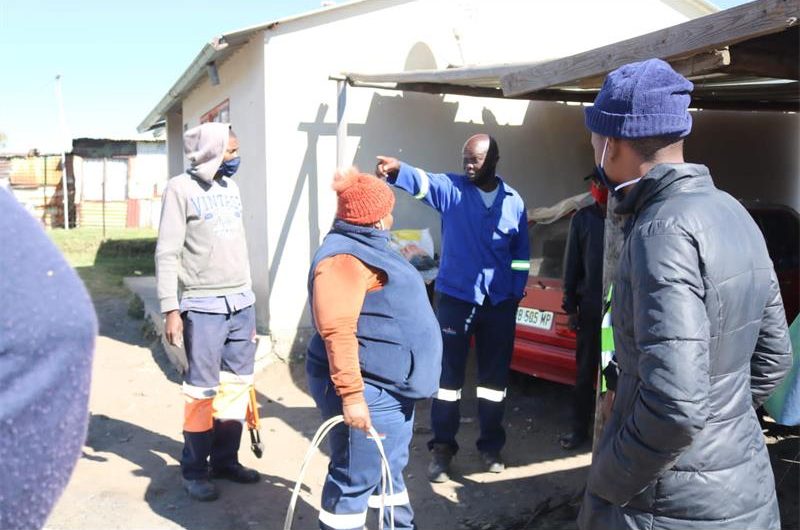
A statement of Ms Trudie-Grové Morgan, spokesman of Cooperative Governance and Traditional Affairs (CoGTA), is elsewhere in the newspaper.
In the August 6 edition, the administrator, Mr Johann Mettler, responded as follows:
“We are only billing and metering 57% of the electricity bought from Eskom and a further 47% is unaccounted for,” Mr Mettler said.
The reason for the second percentage was given as illegal connections, incorrect billing and electricity theft.
The question as to the number of illegal connections and bridged meters in Standerton, was posed to the communications manager of the Lekwa Municipality, Ms Thobeka Mtshiselwa, early on Tuesday, August 3.
No reply had been received at the time of going to press.
The Standerton Advertiser has tried to schedule an interview with the municipal manager, Mr JM Mokgatsi, and is awaiting an agreed upon time.
During an investigation on August 3, a businesswoman spoke frankly about the costs involved in running a generator in a million-plus investment.
The anonymity of the person is protected due to personal considerations.
“Running a 35KVA generator on diesel for anything from eight to 10 hours in the past, amounted to R50 000 monthly,” was said.
“I now spend at least between R25 000 to R26 000 monthly.”
The possibility of employees losing their income when push comes to shove, was mentioned as well.
“Power interruptions affect everything and influence other components indirectly. What is to be done? It’s either closing the business or selling it.
“Who would consider buying a bankrupt enterprise anyway?”
Read original story on ridgetimes.co.za

